
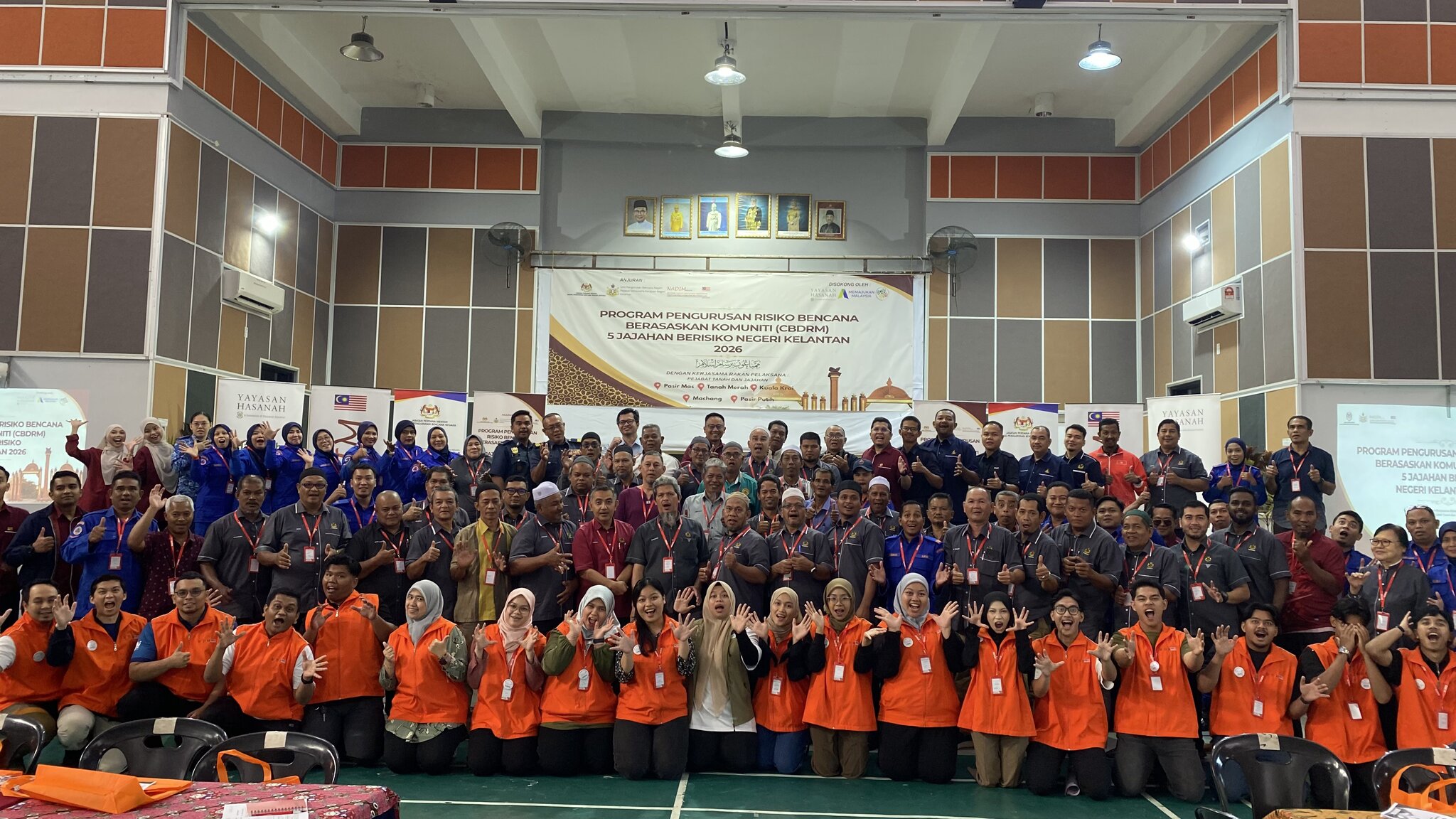
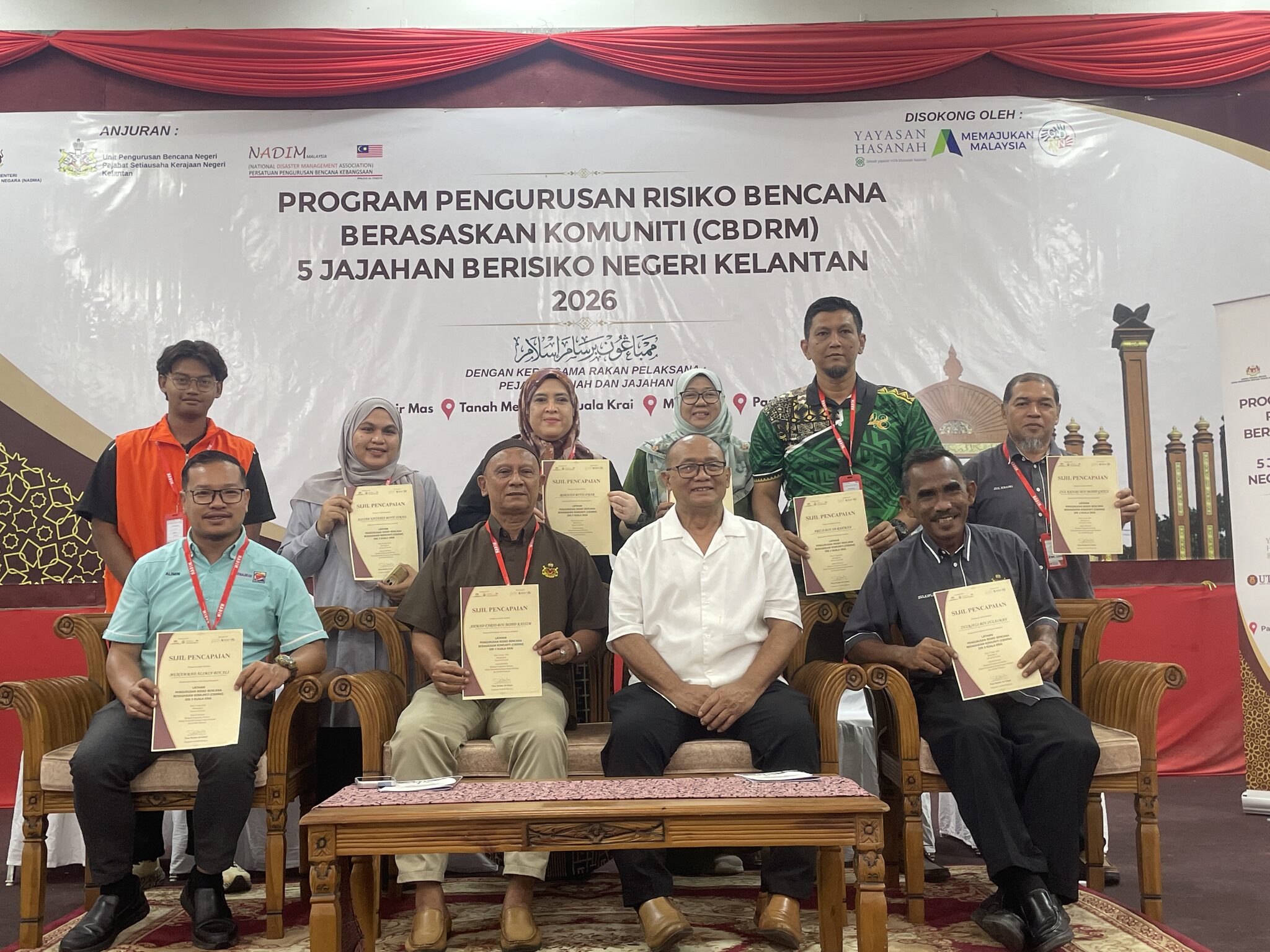
The Community-Based Disaster Risk Management (CBDRM) Programme for Five High-Risk Districts in Kelantan 2026 was implemented to strengthen community resilience and improve preparedness in areas that are particularly exposed to disaster risks, especially flooding associated with the Northeast Monsoon.

CBDRM places the community at the centre of disaster risk management by encouraging local residents to participate directly in identifying risks, understanding local hazards, planning appropriate responses, and developing practical measures that can be carried out before, during, and after a disaster. The approach also makes use of local knowledge and experience, which are important in understanding how disasters affect individual communities.
The programme was particularly relevant because communities in Pasir Mas, Tanah Merah, Pasir Puteh, Machang, and Kuala Krai are among those exposed to recurring flood risks. The programme sought to improve local awareness, strengthen community participation in disaster planning, increase access to early information and warnings, and encourage stronger cooperation between communities and relevant agencies.
Five CBDRM Series Across Kelantan

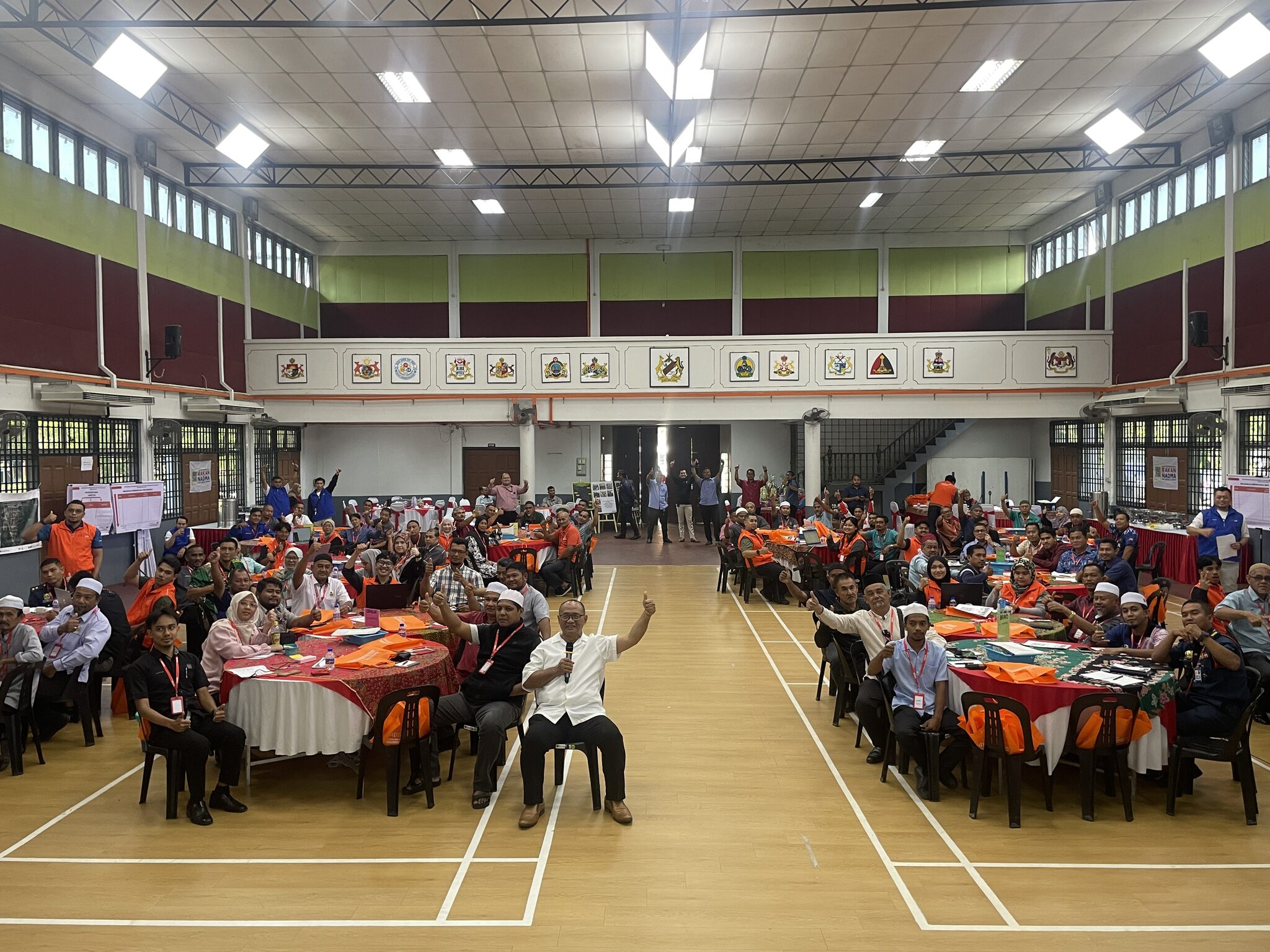
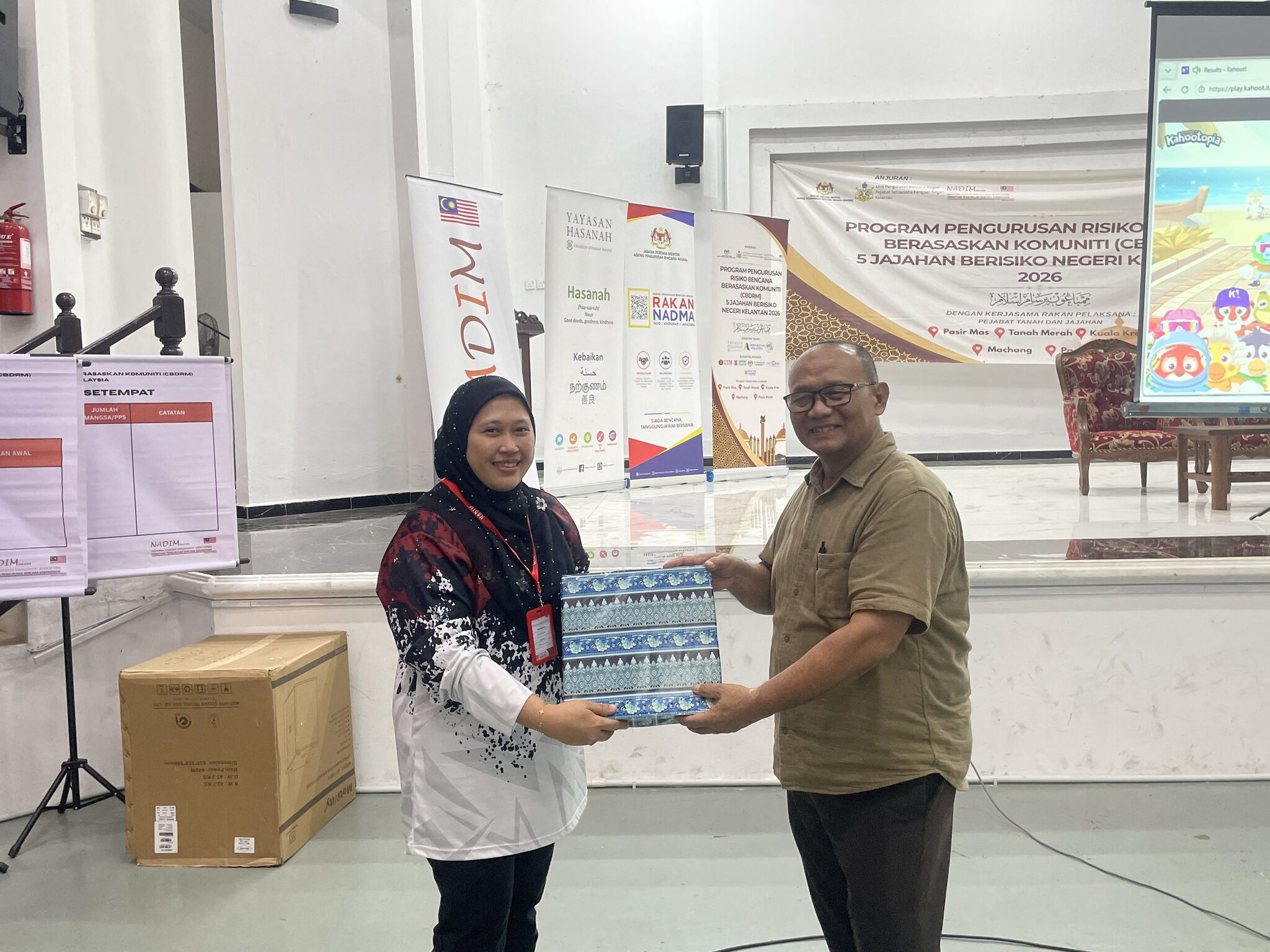
The programme was implemented through five separate series throughout August 2026, covering five selected jajahan in Kelantan. Each series followed a common CBDRM framework while allowing participants to discuss risks, experiences, and preparedness needs that were specific to their own communities.
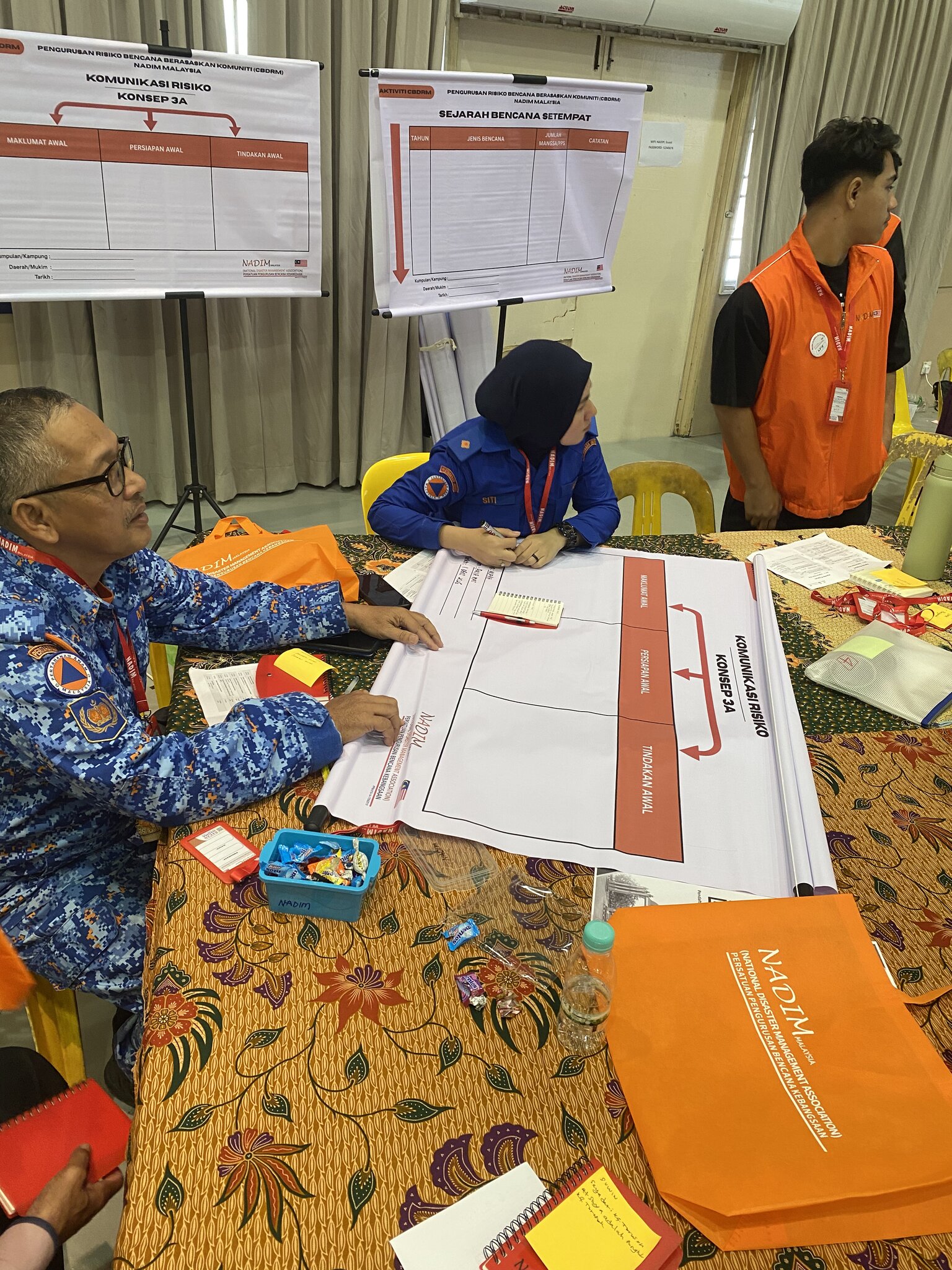
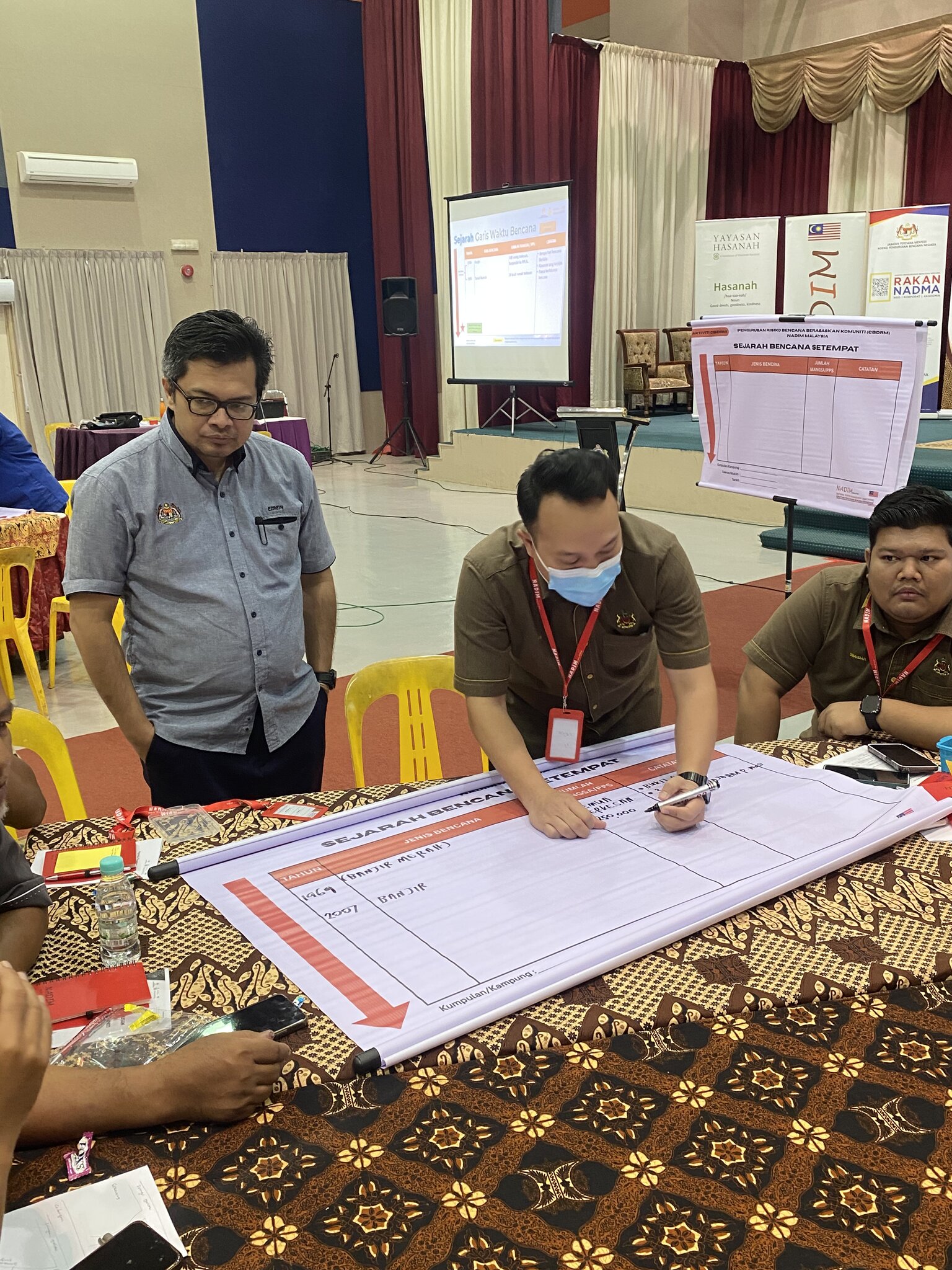
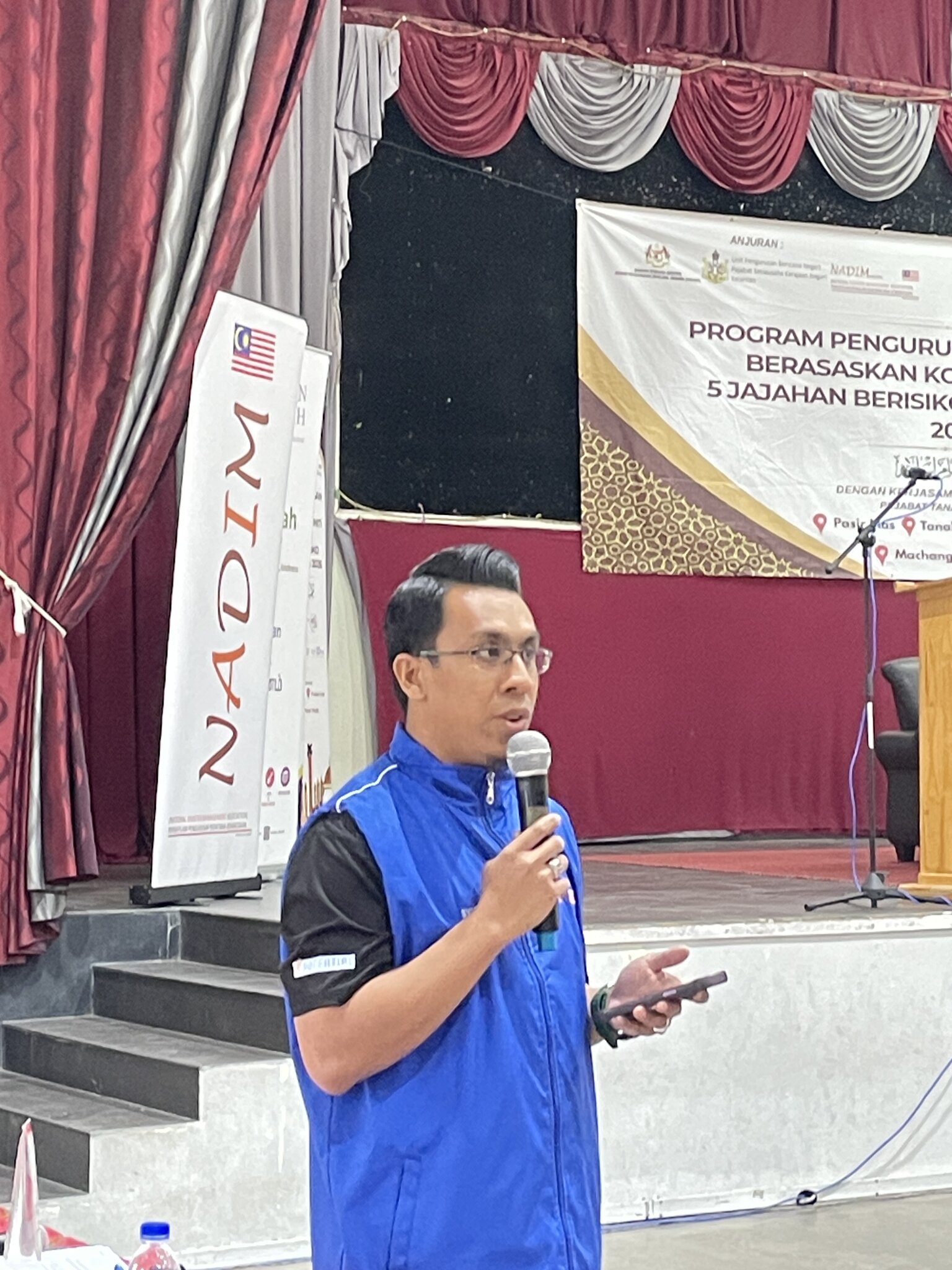
Participants across the five series were also introduced to the national disaster management mechanism, including Arahan NADMA No. 1, together with practical modules covering local disaster history, risk communication, community risk mapping, and community action planning.
Series 1: Pasir Mas
Date: 1 August 2026
Venue: Dewan Utama, Majlis Daerah Pasir Mas, Pasir Mas, Kelantan
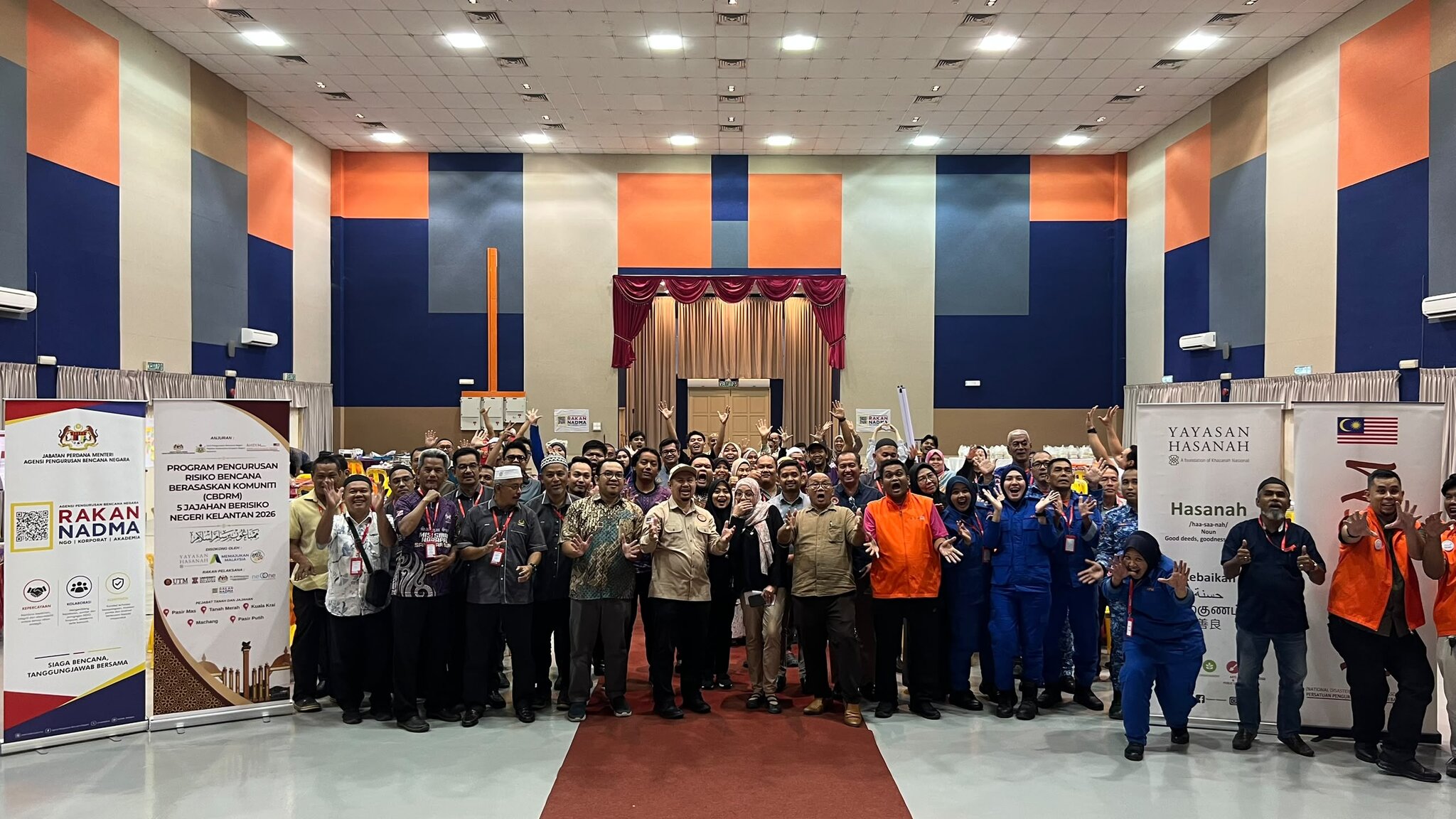
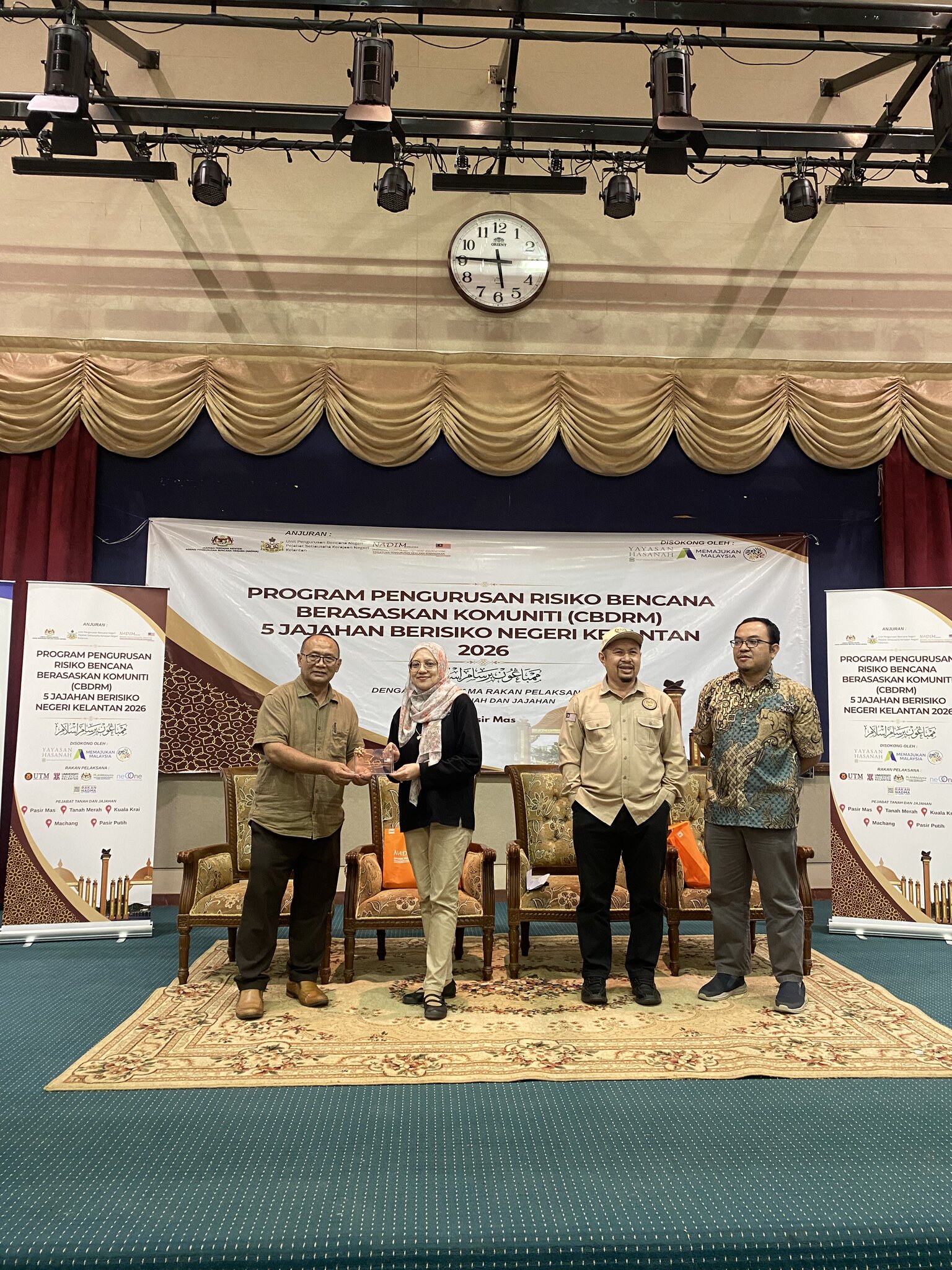
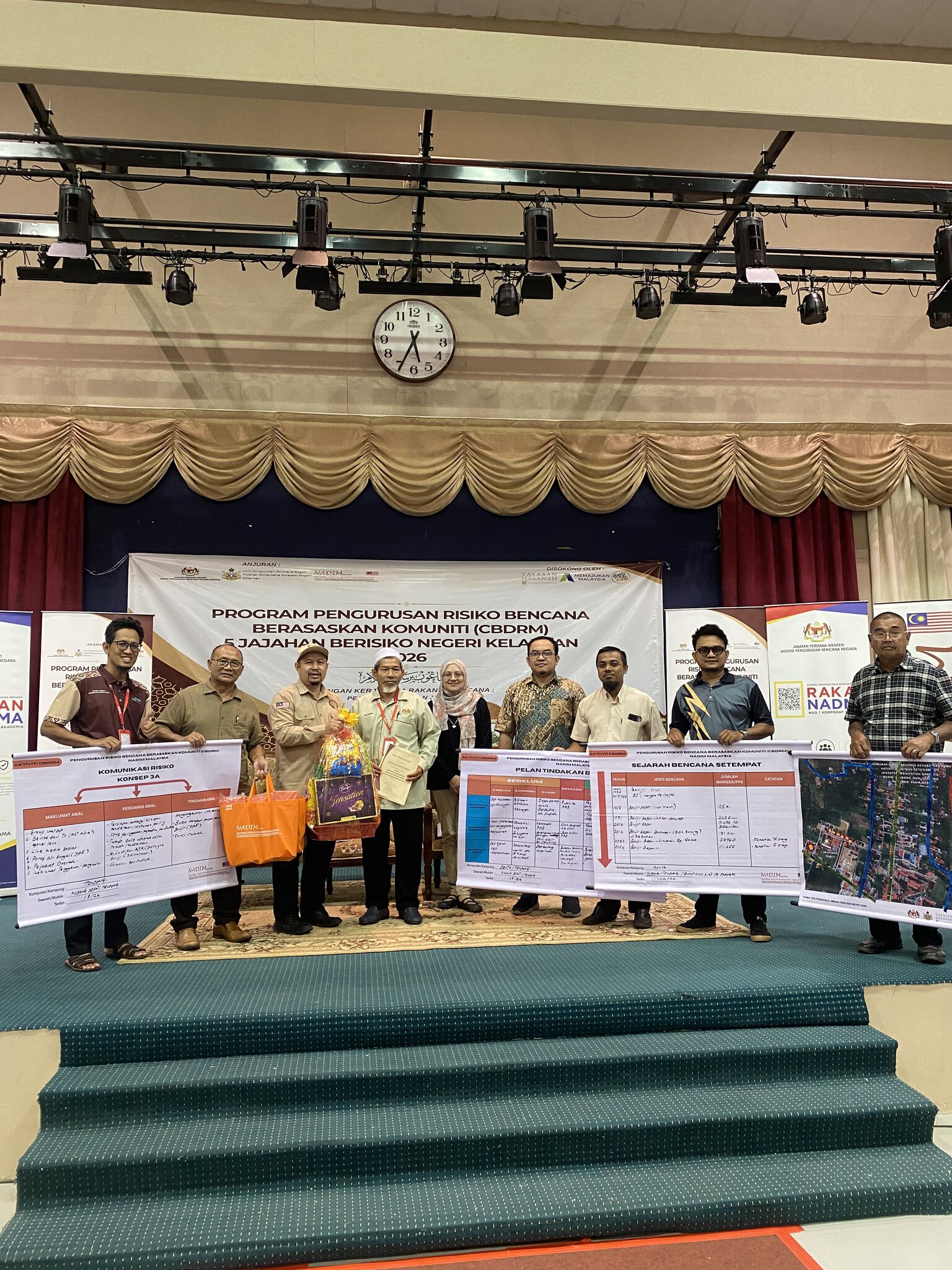
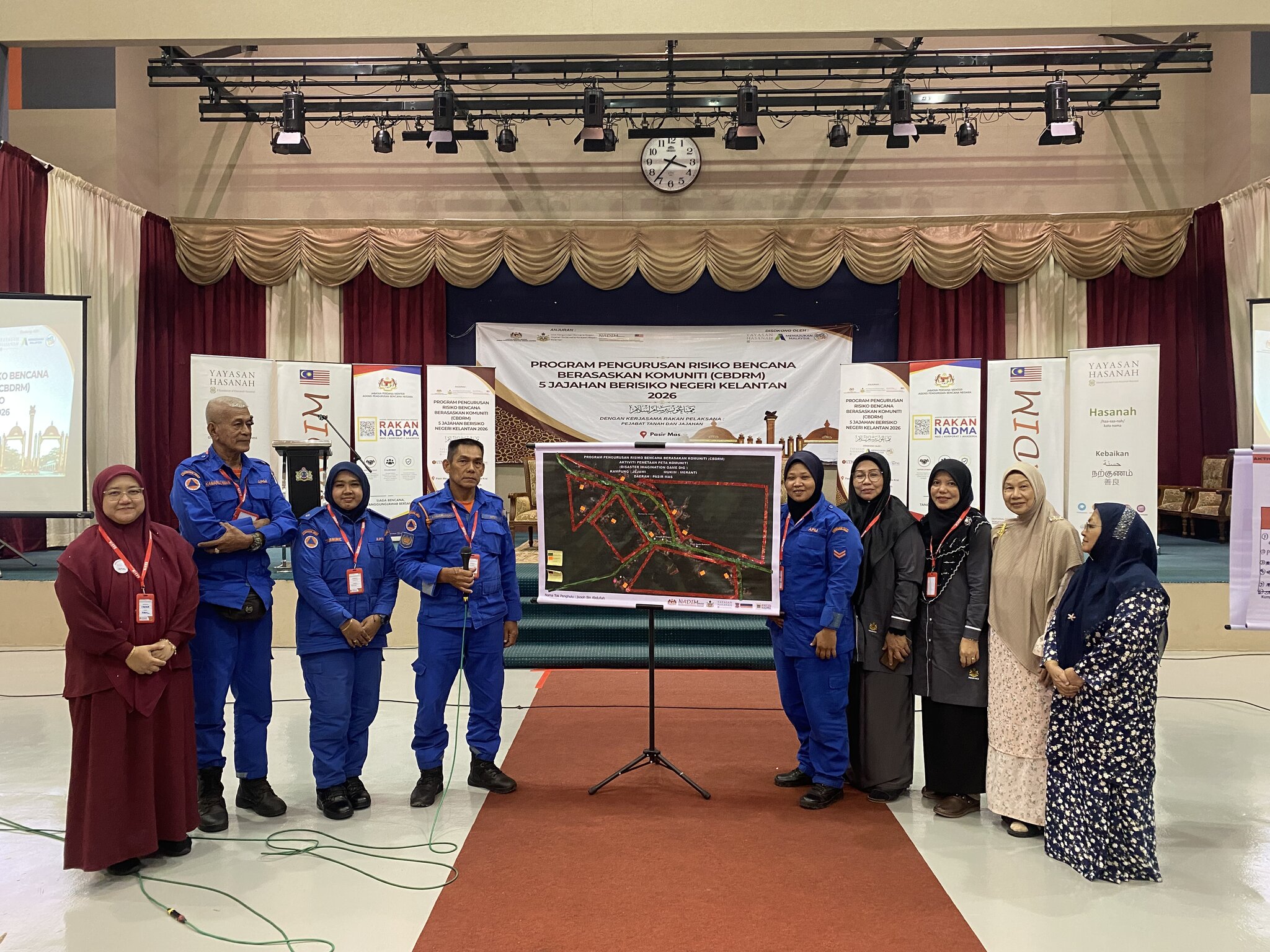
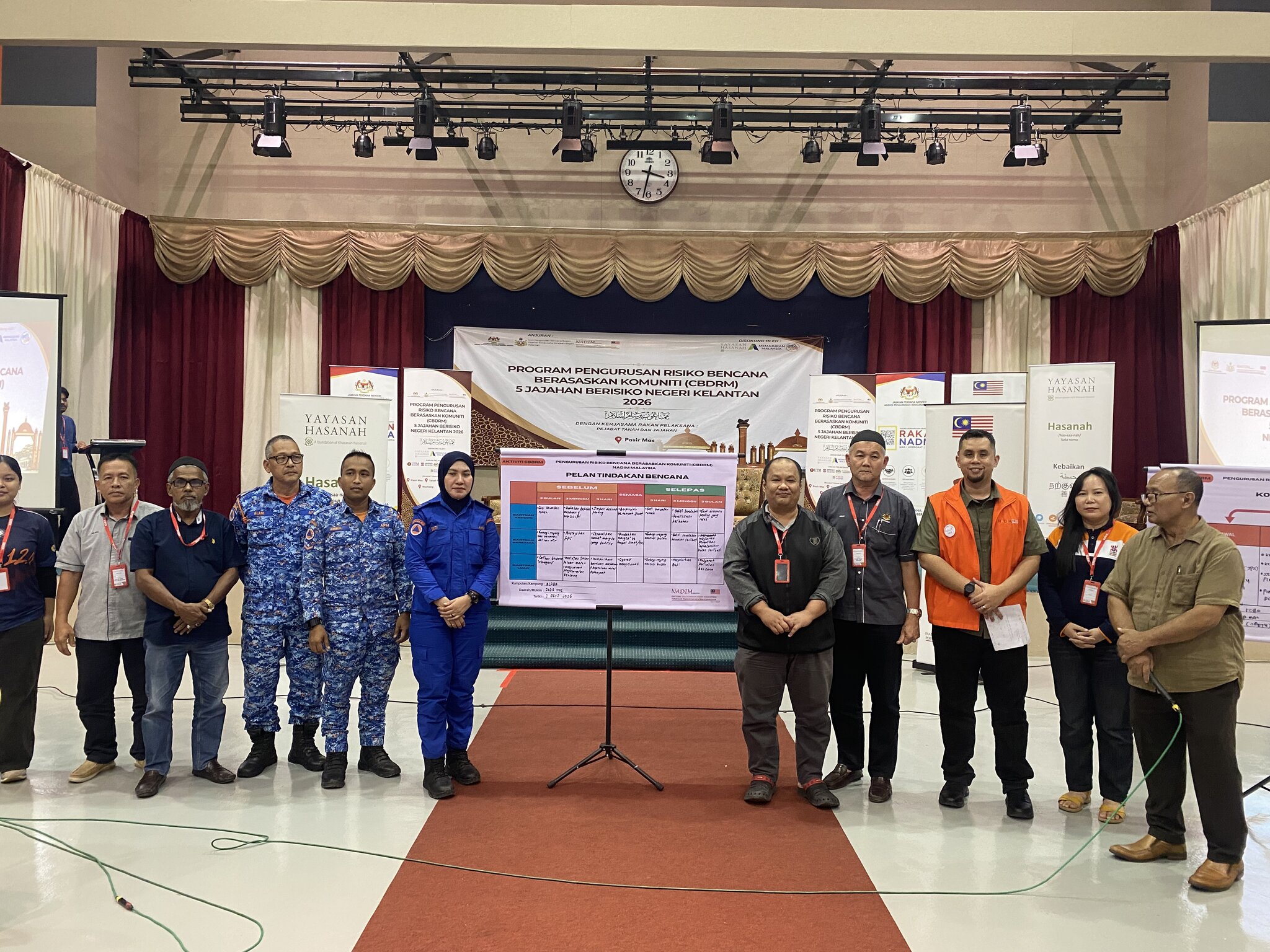
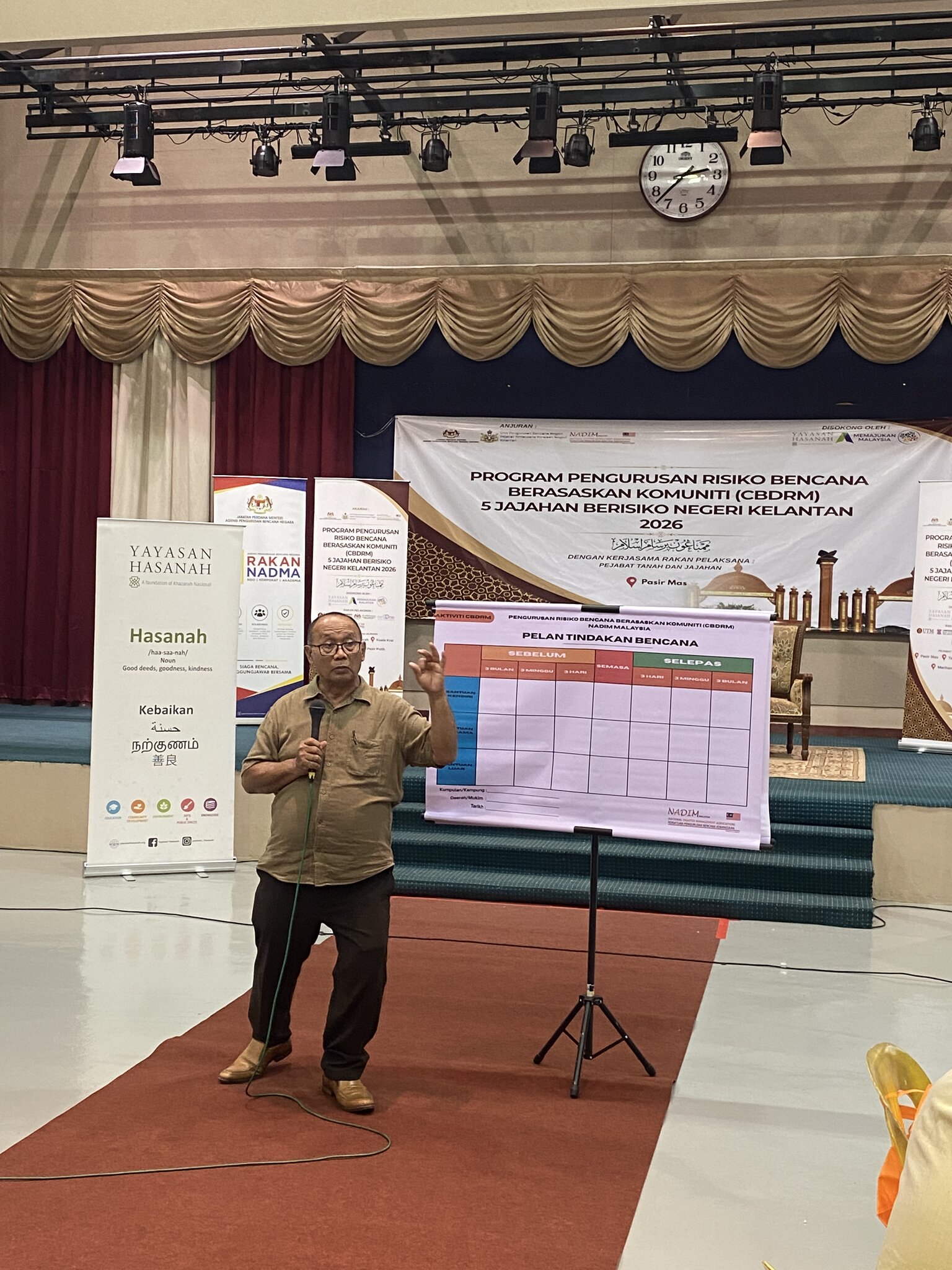
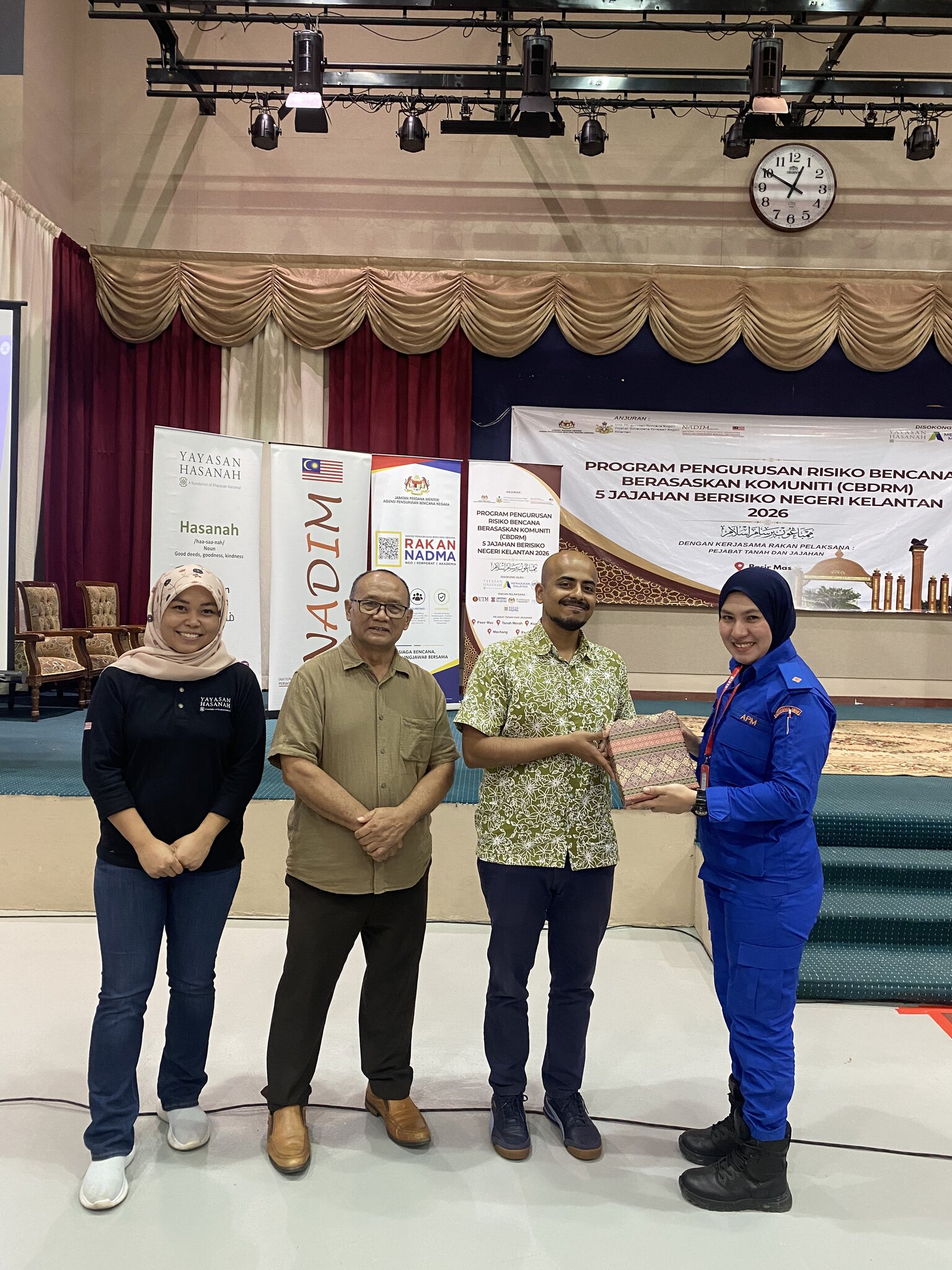
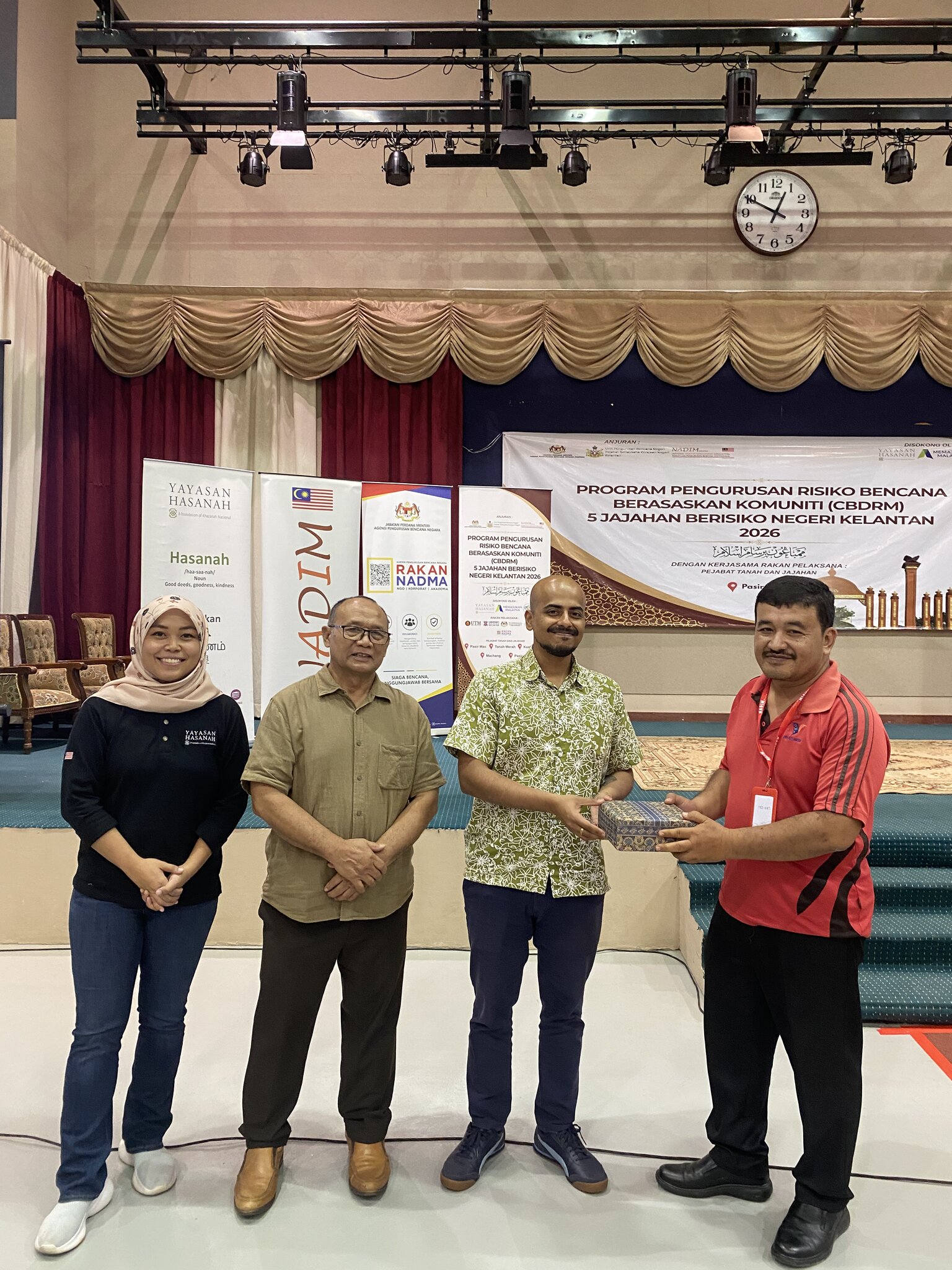
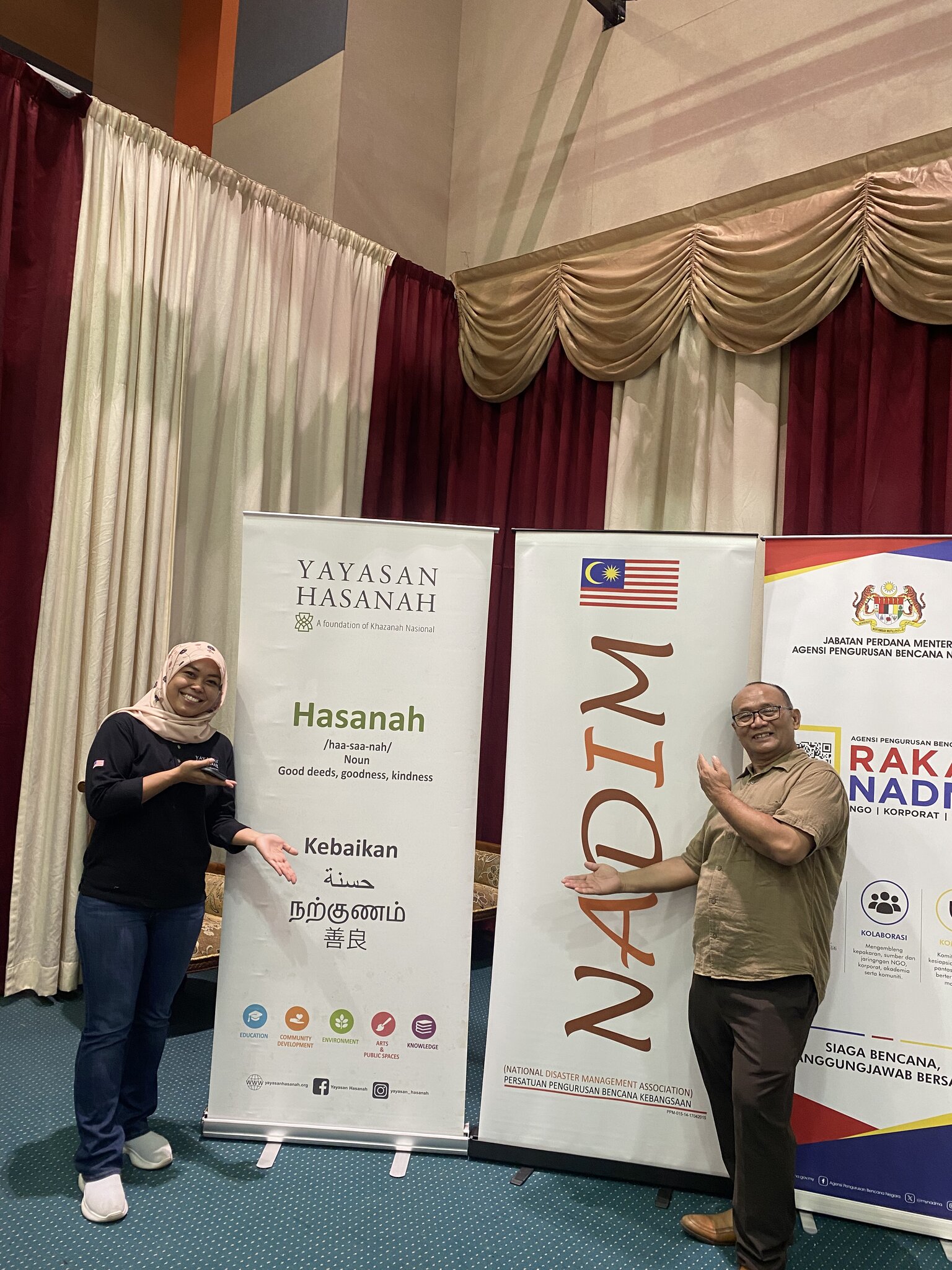
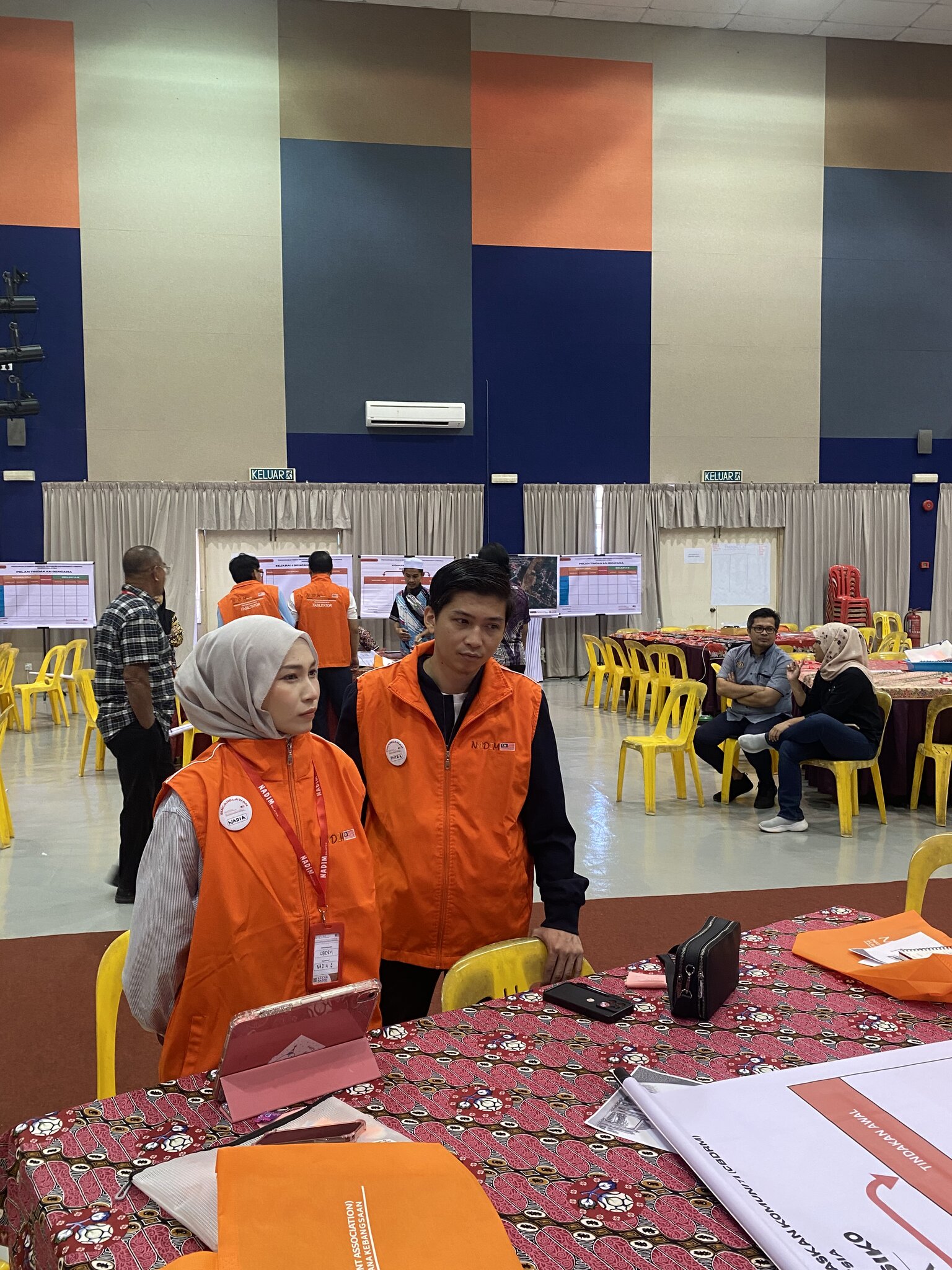
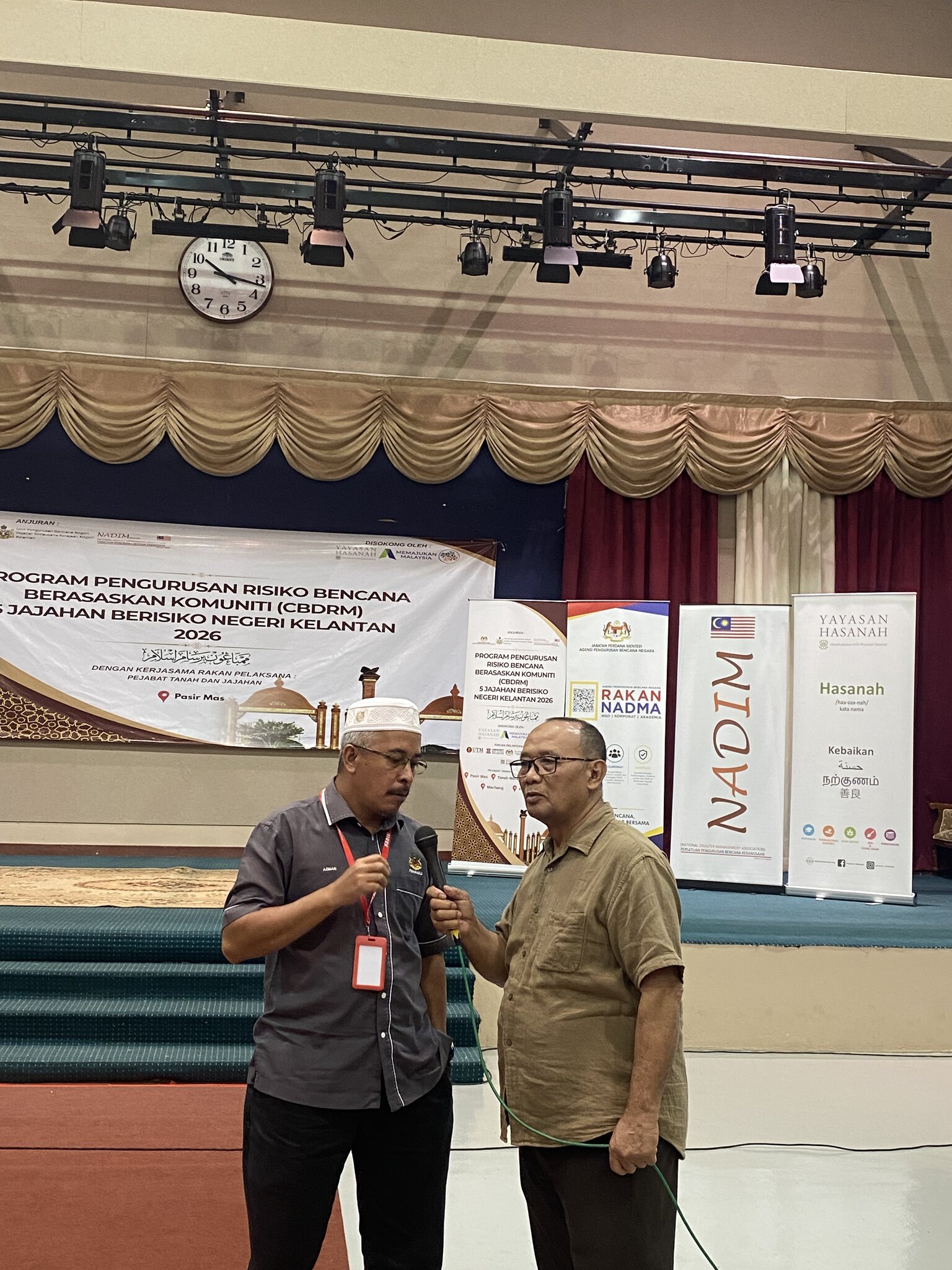
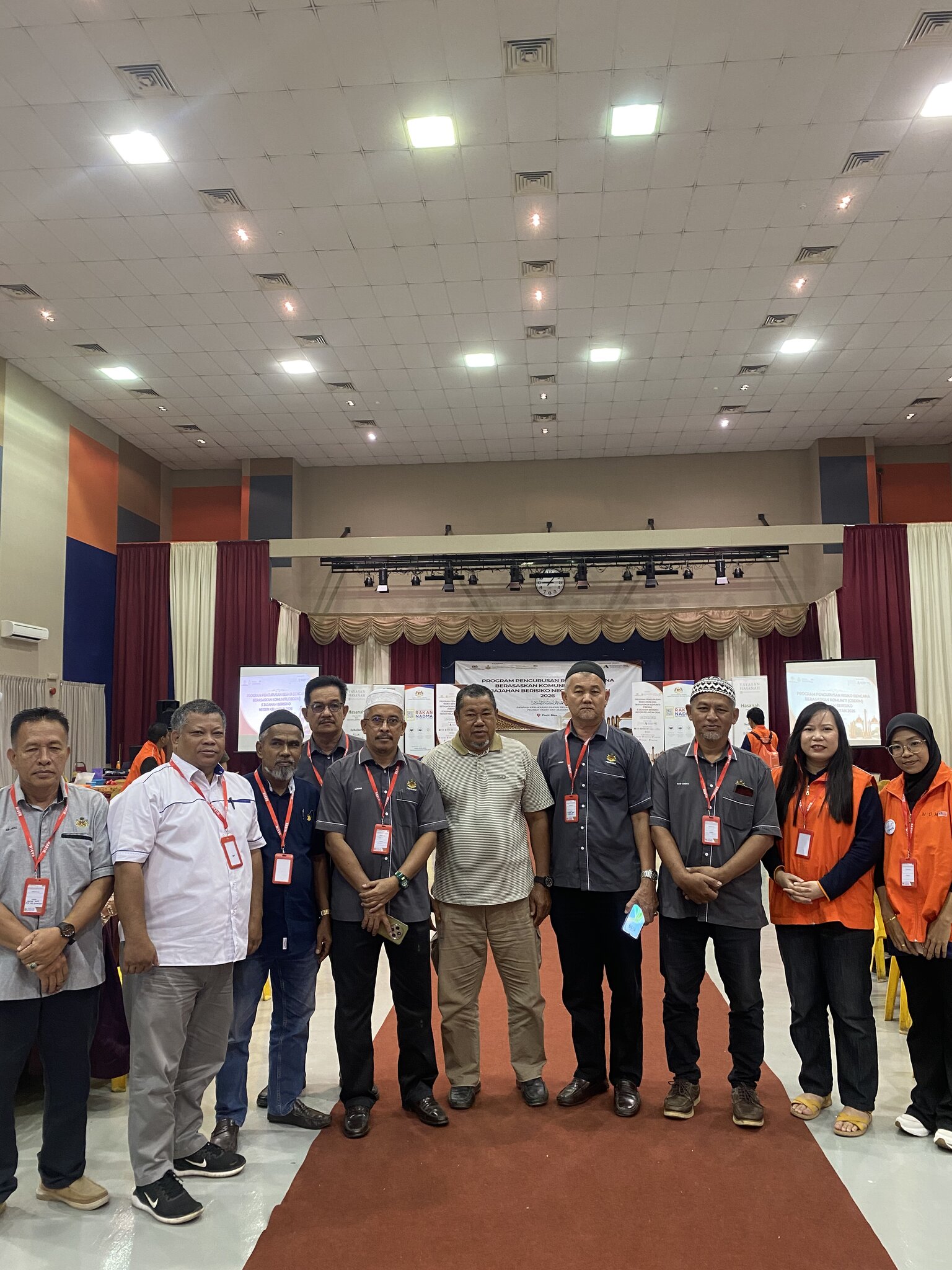
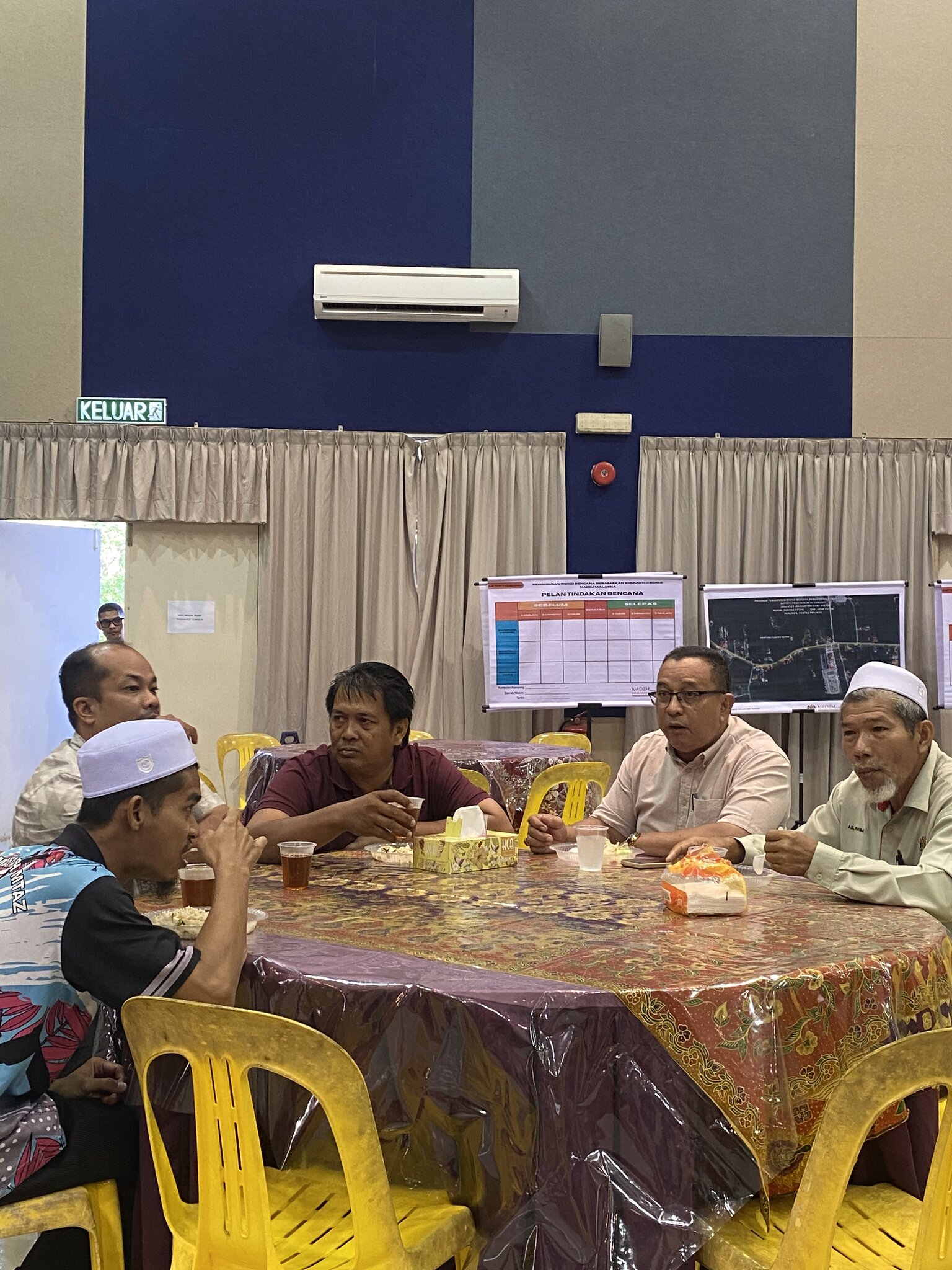
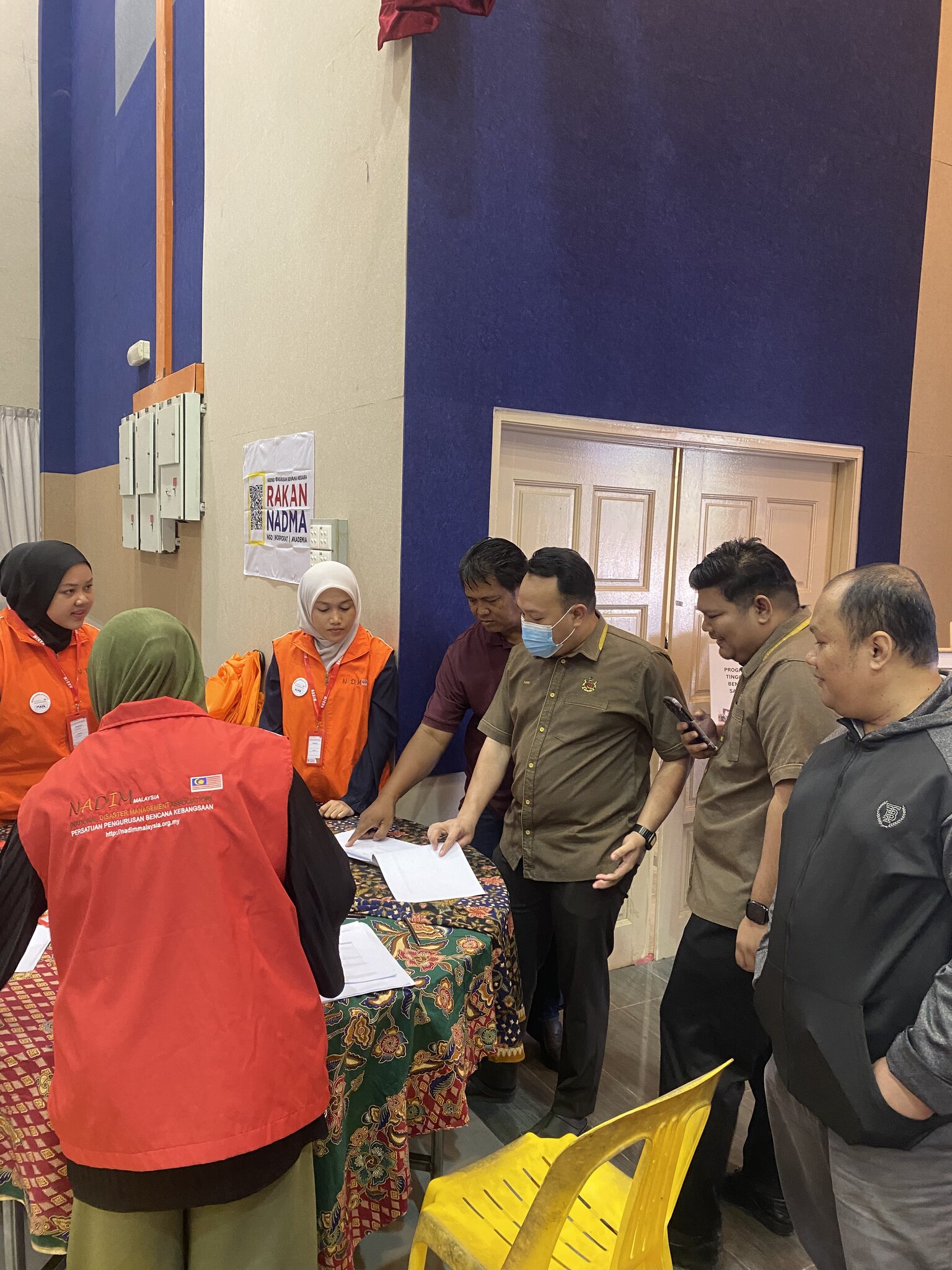
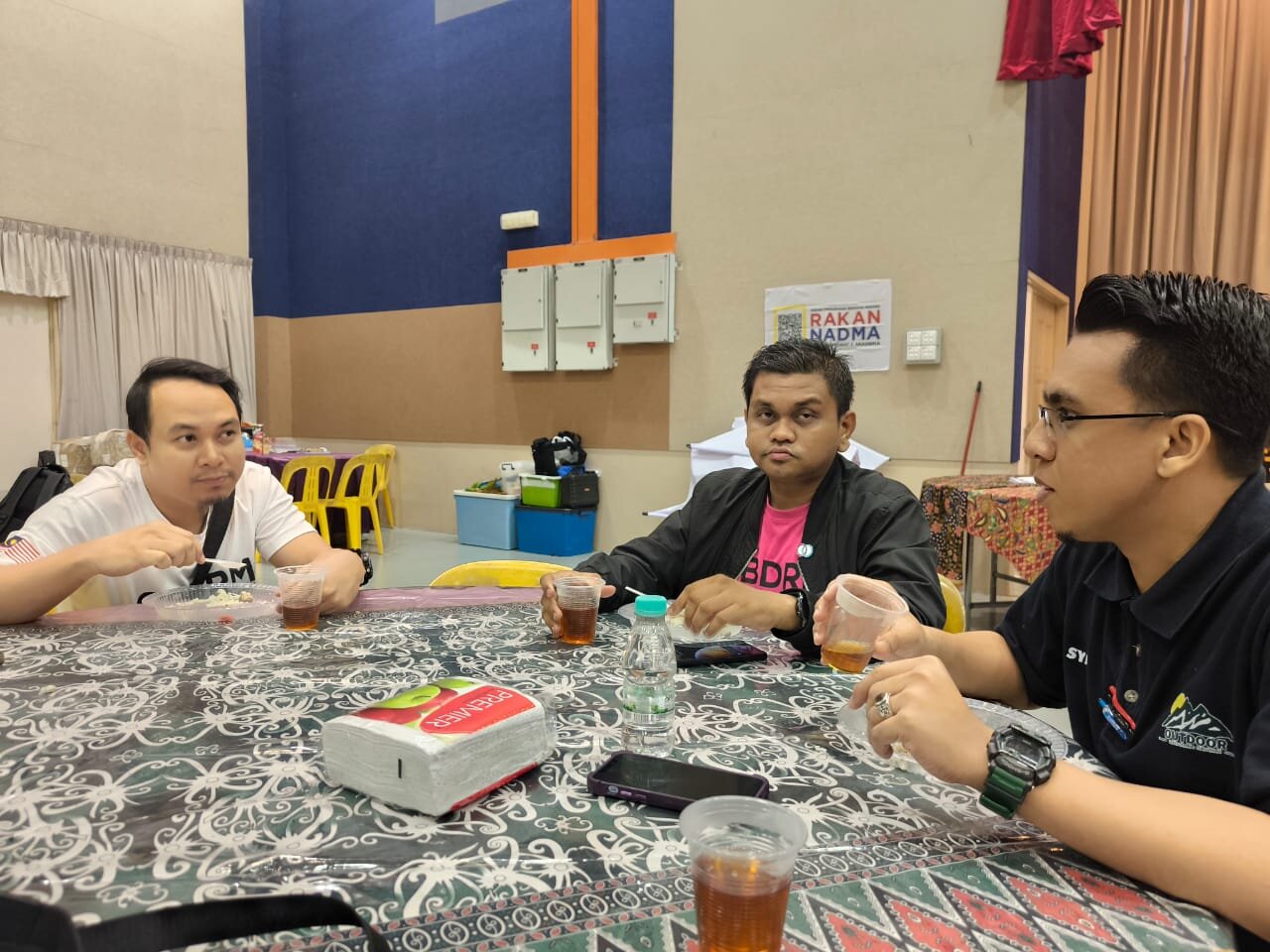
The first series marked the beginning of the five-district CBDRM programme and was held in Pasir Mas.
Click here to view Series 1: Pasir Mas gallery























Series 2: Tanah Merah
Date: 3 August 2026
Venue: Dewan Majlis Daerah Tanah Merah, Tanah Merah, Kelantan
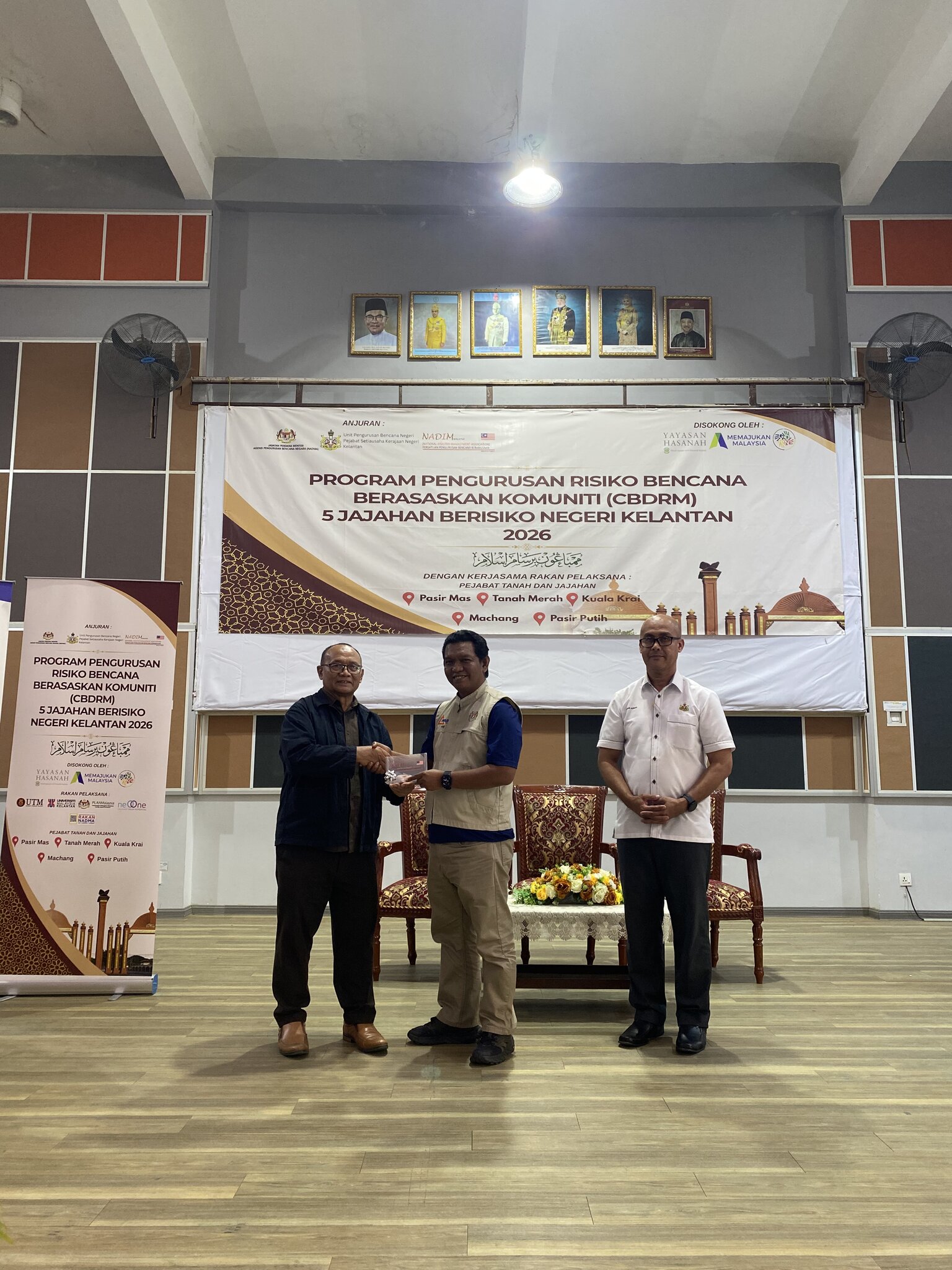
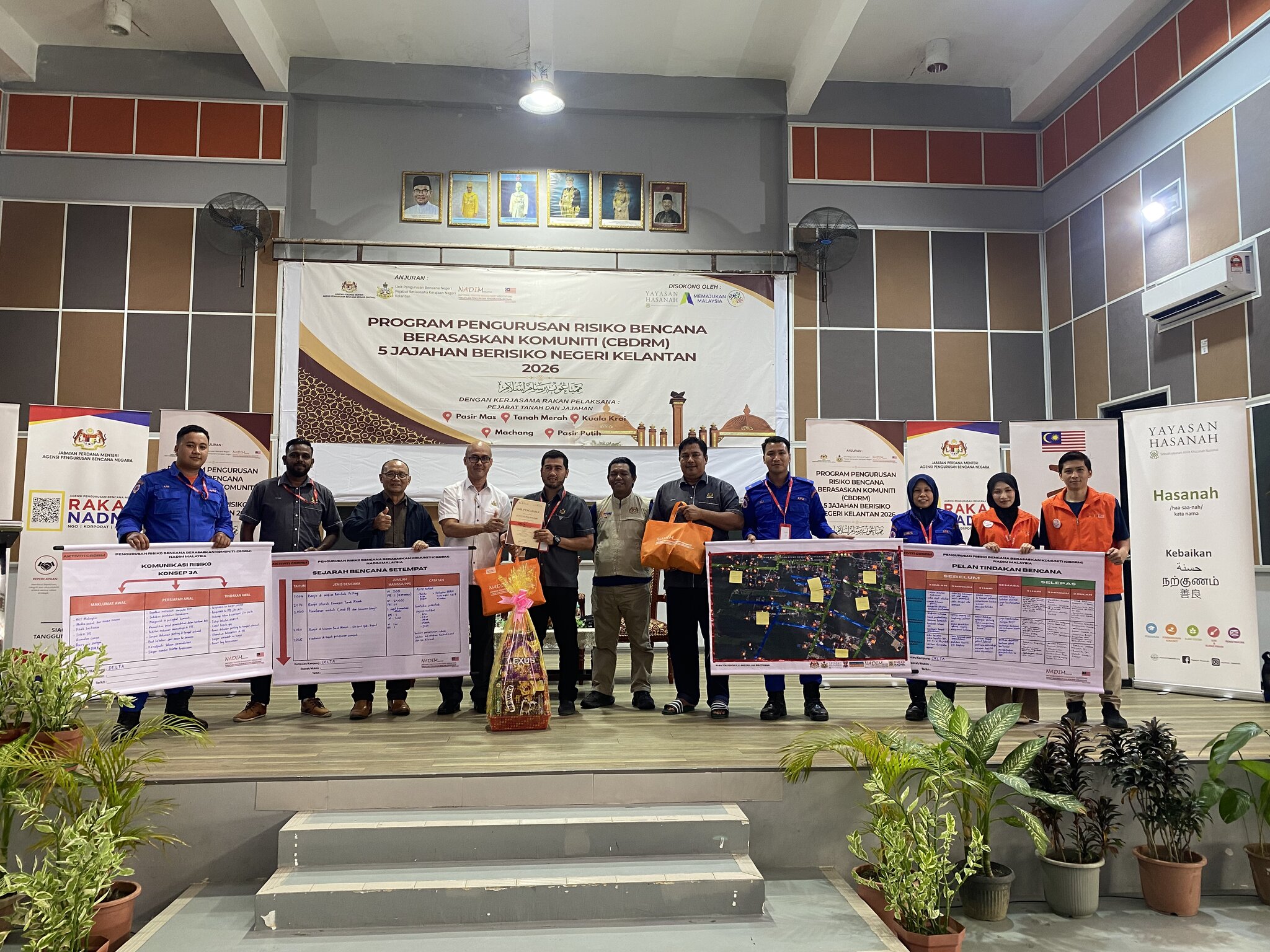
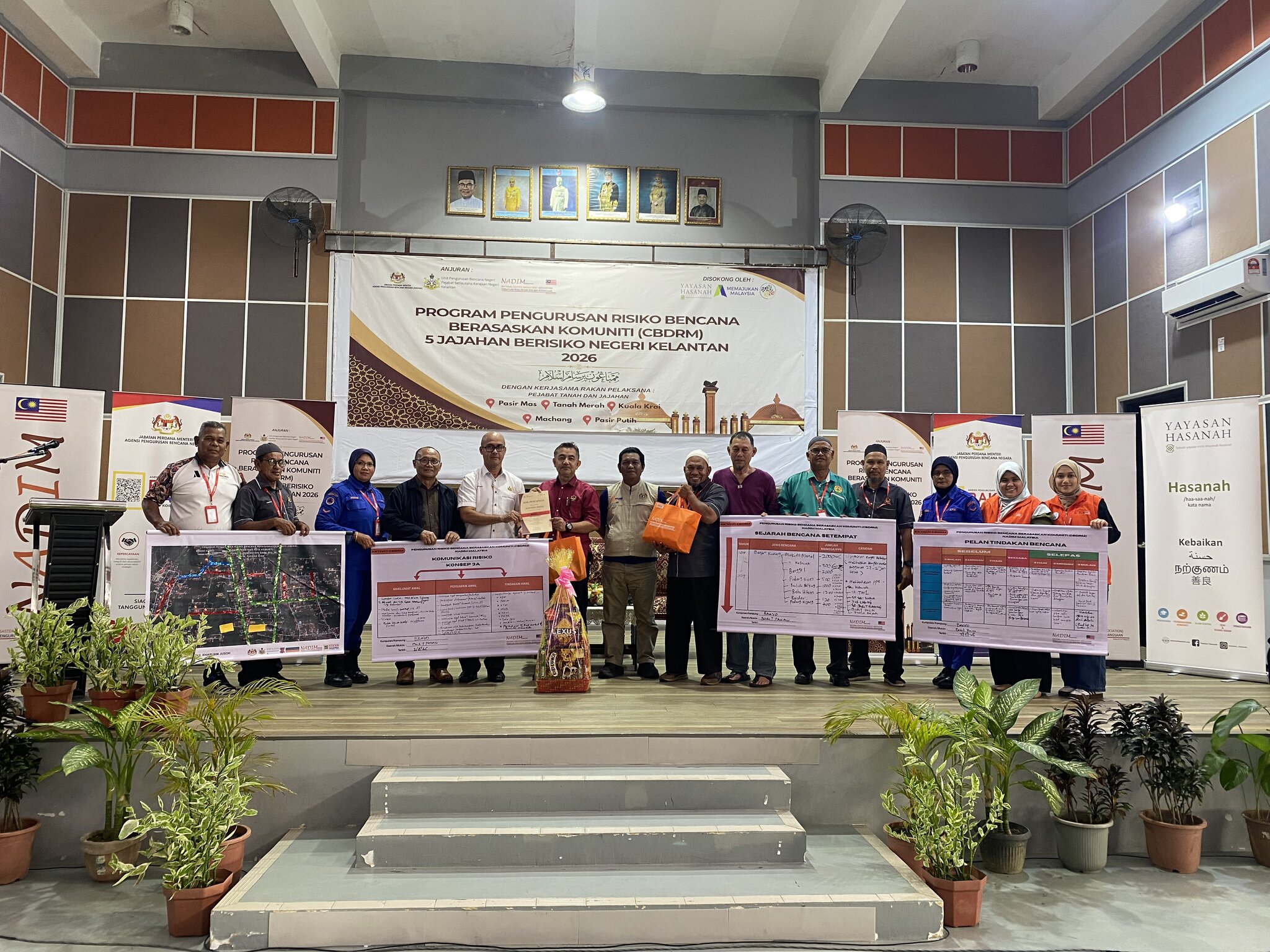
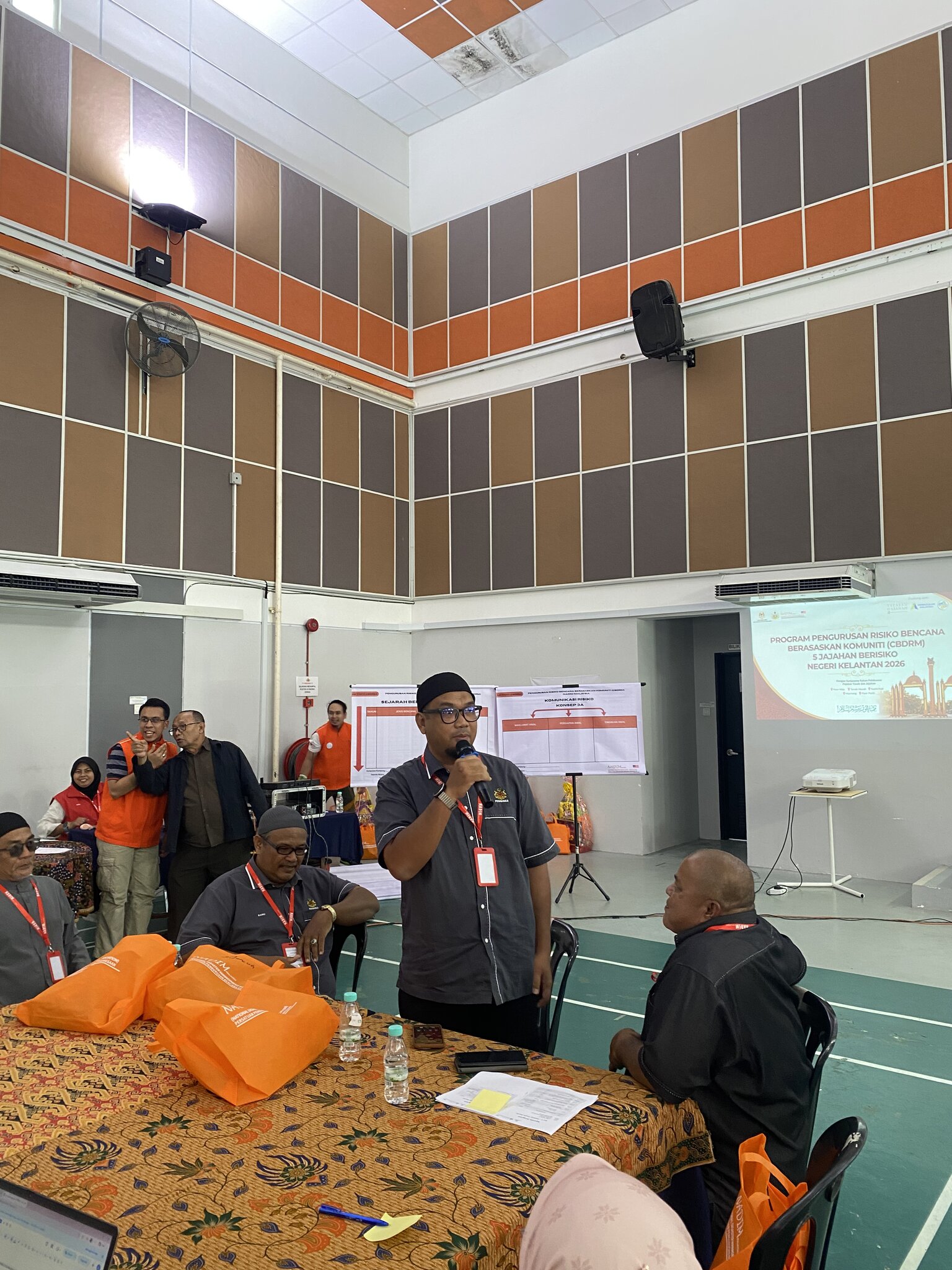
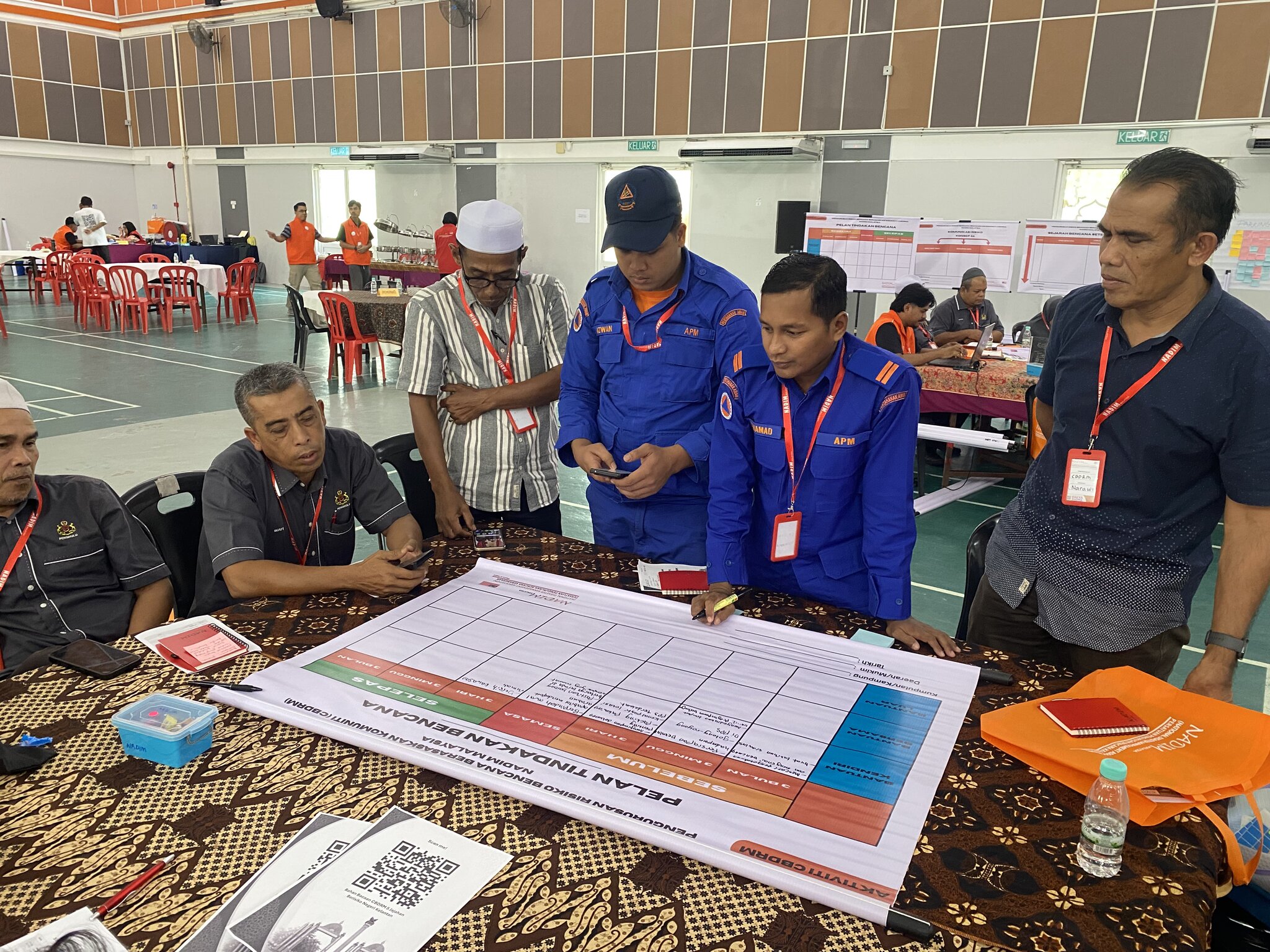
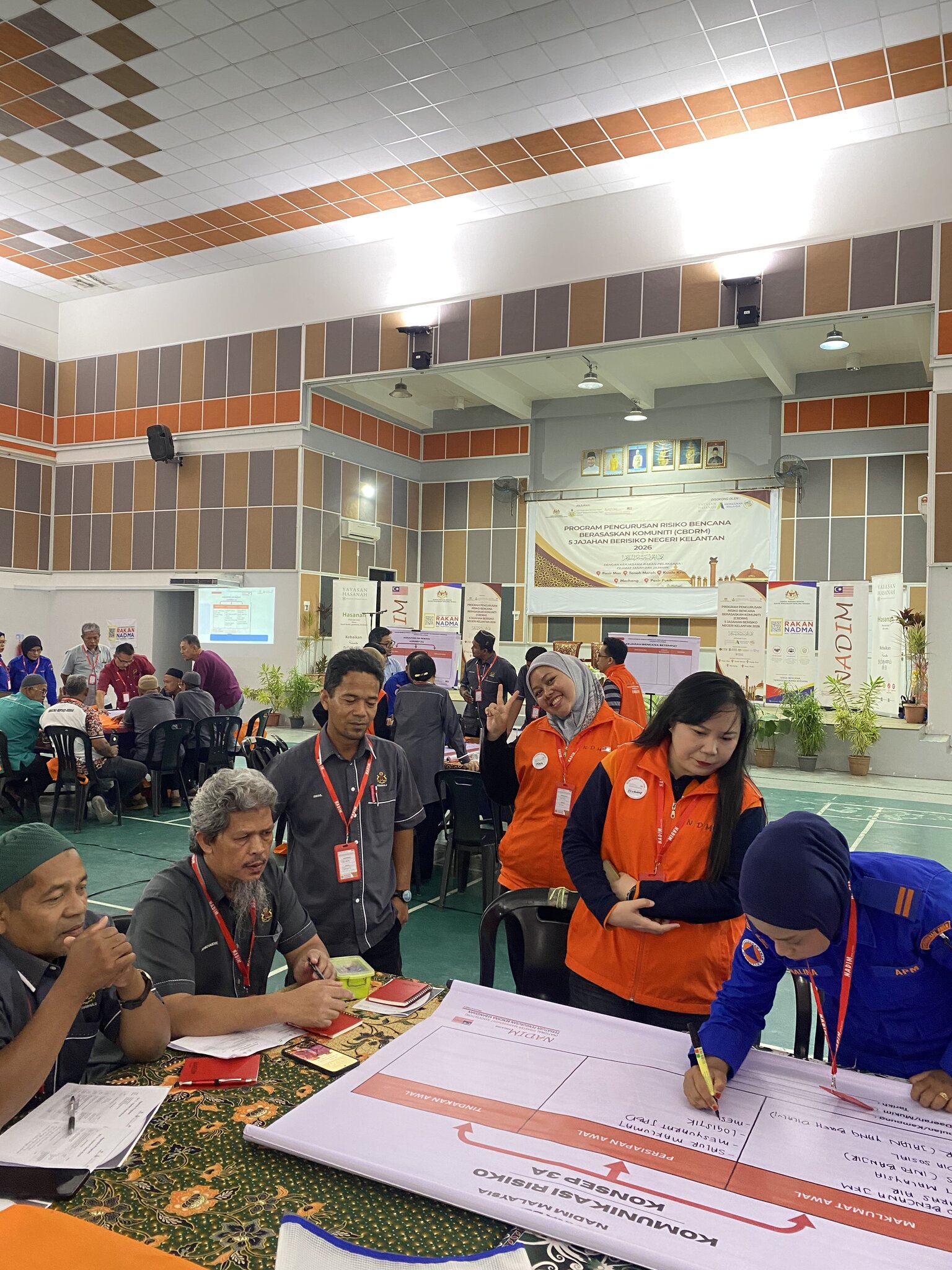
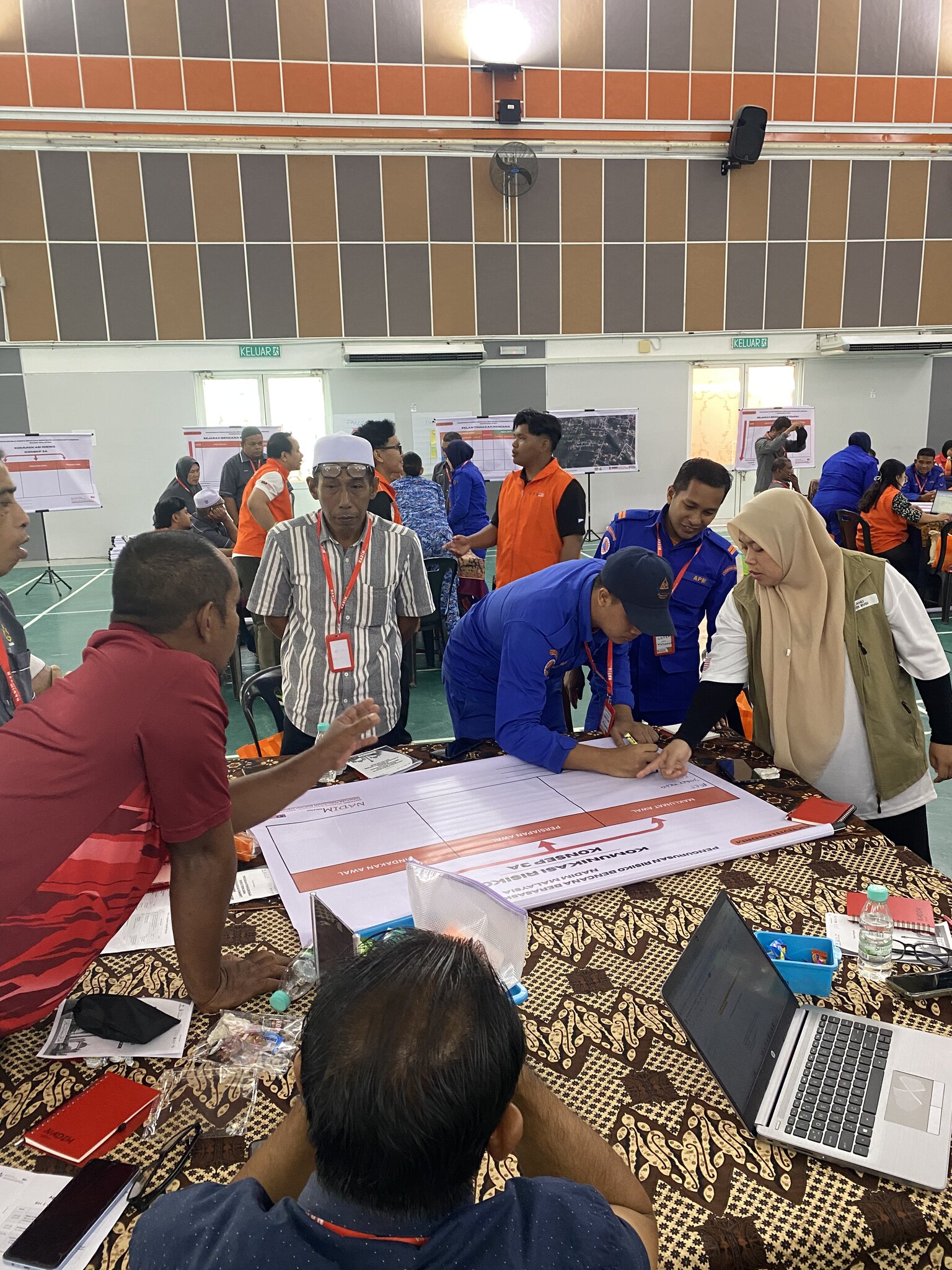
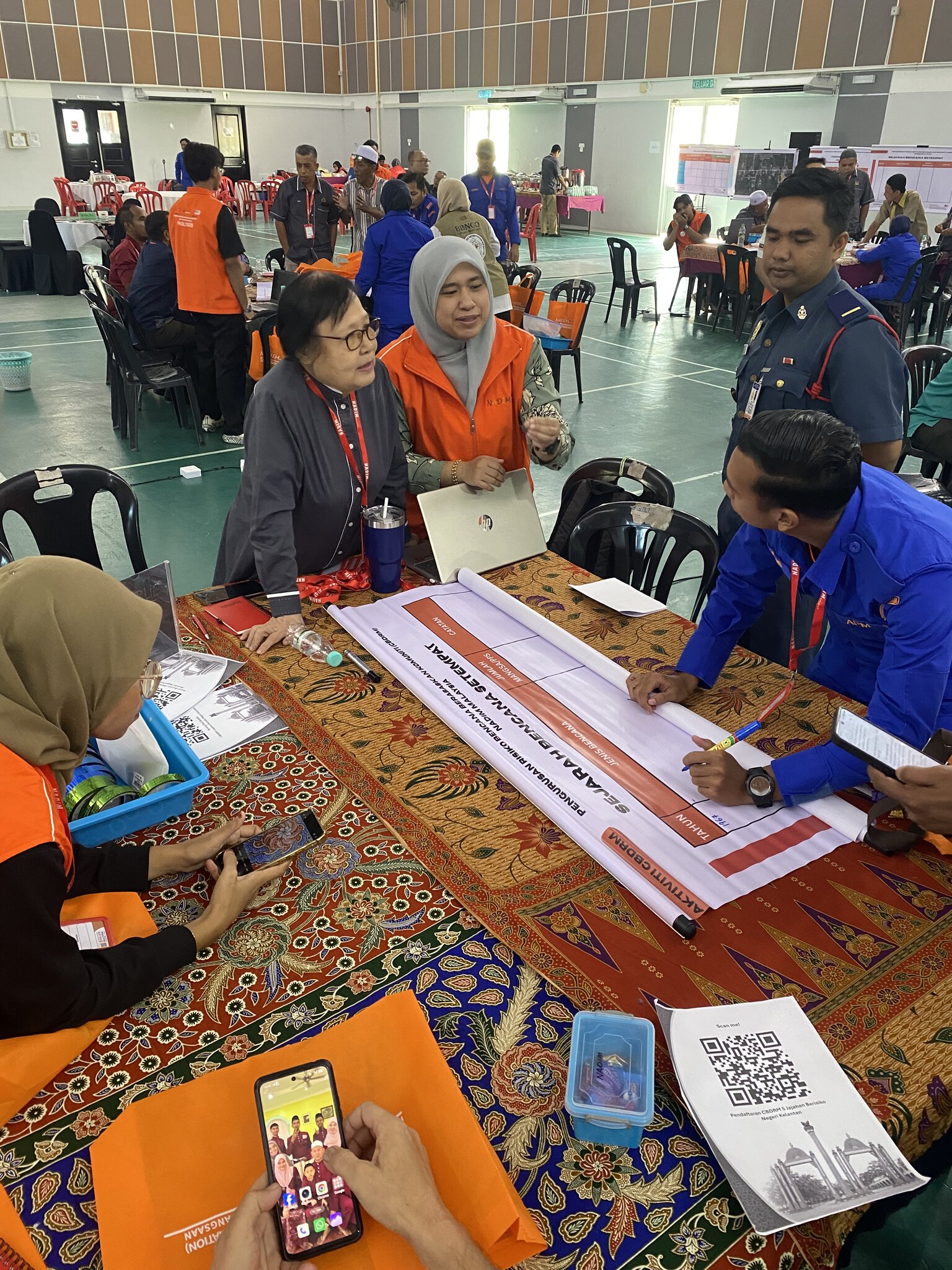
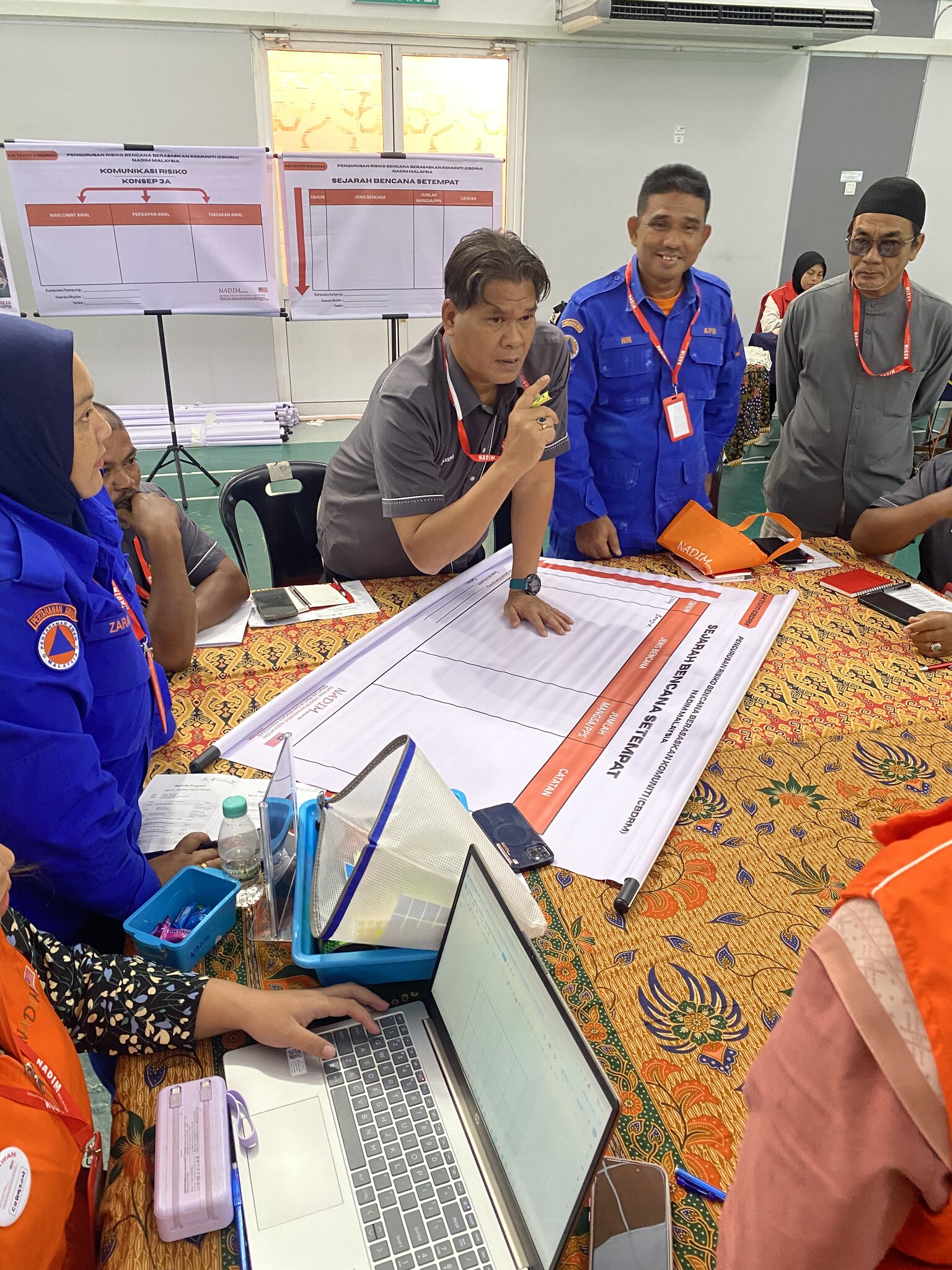
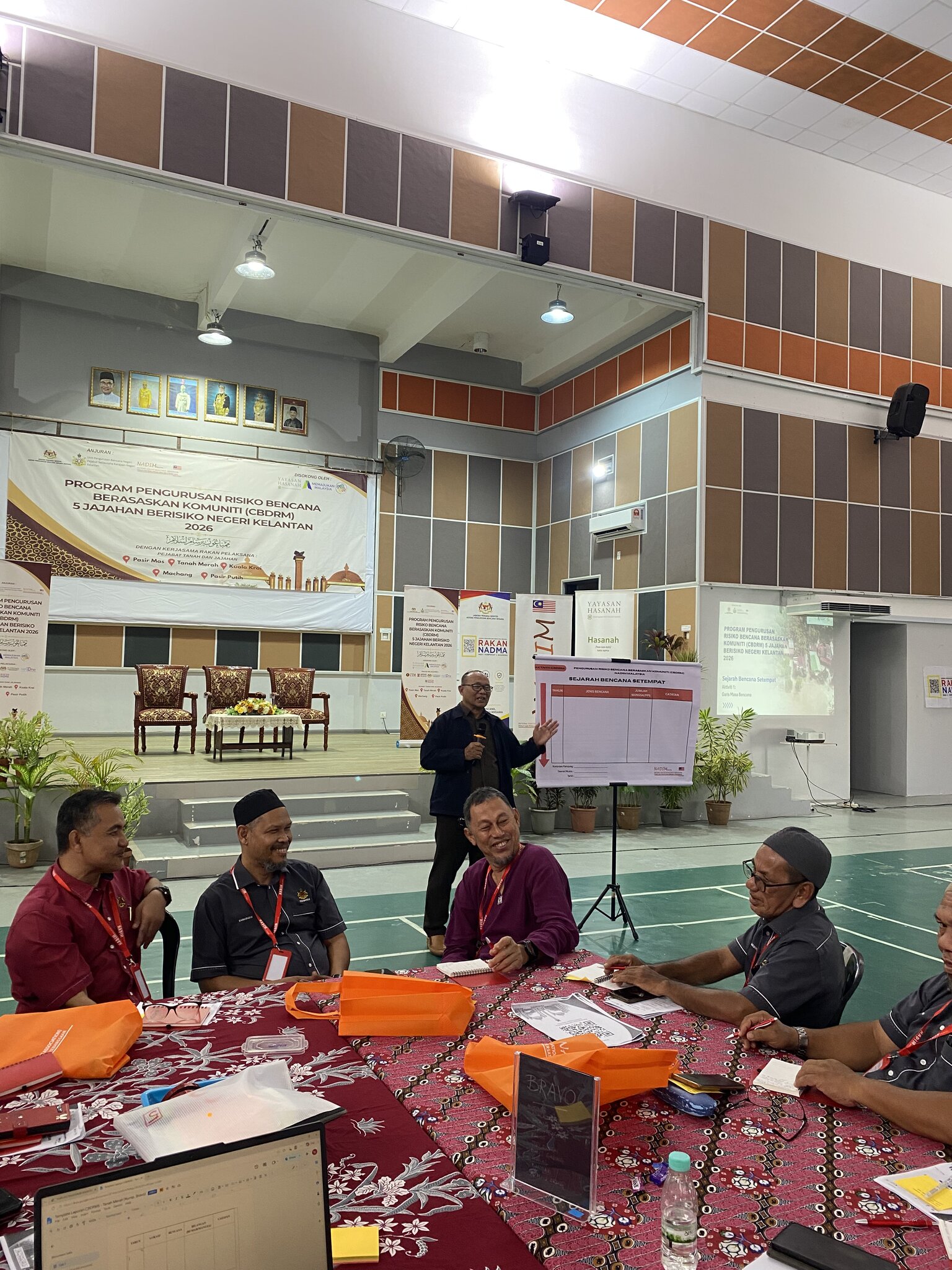
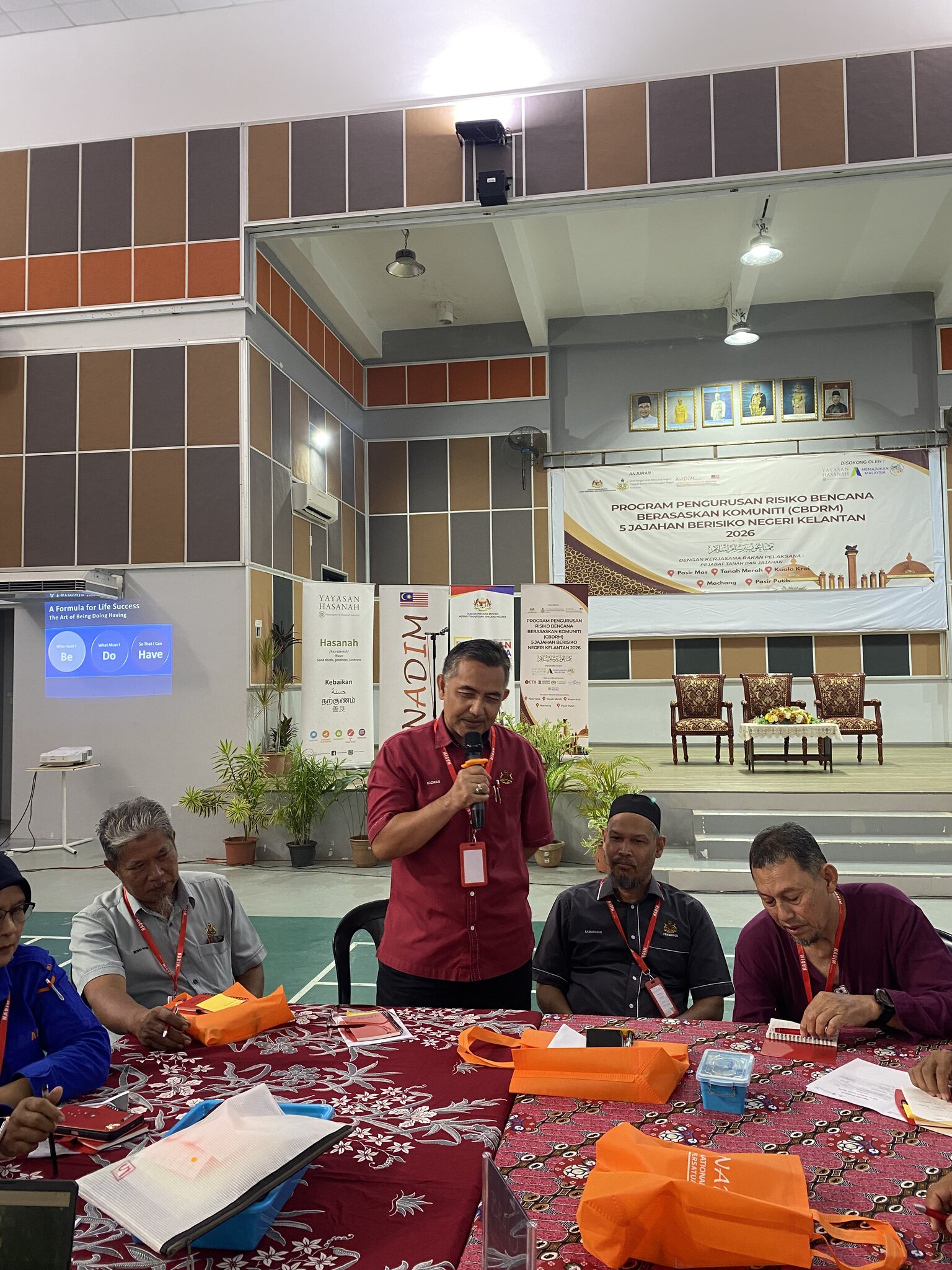
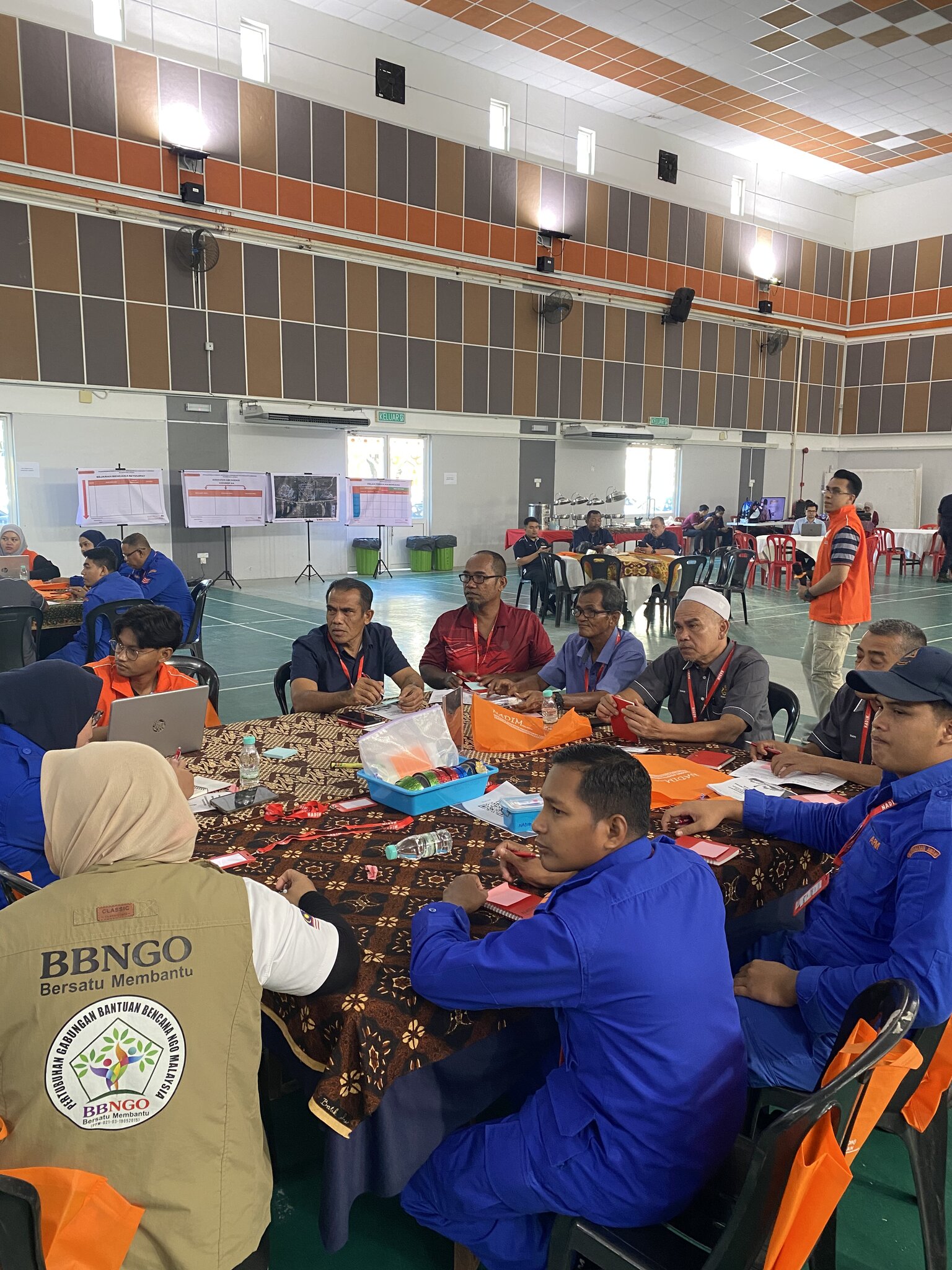
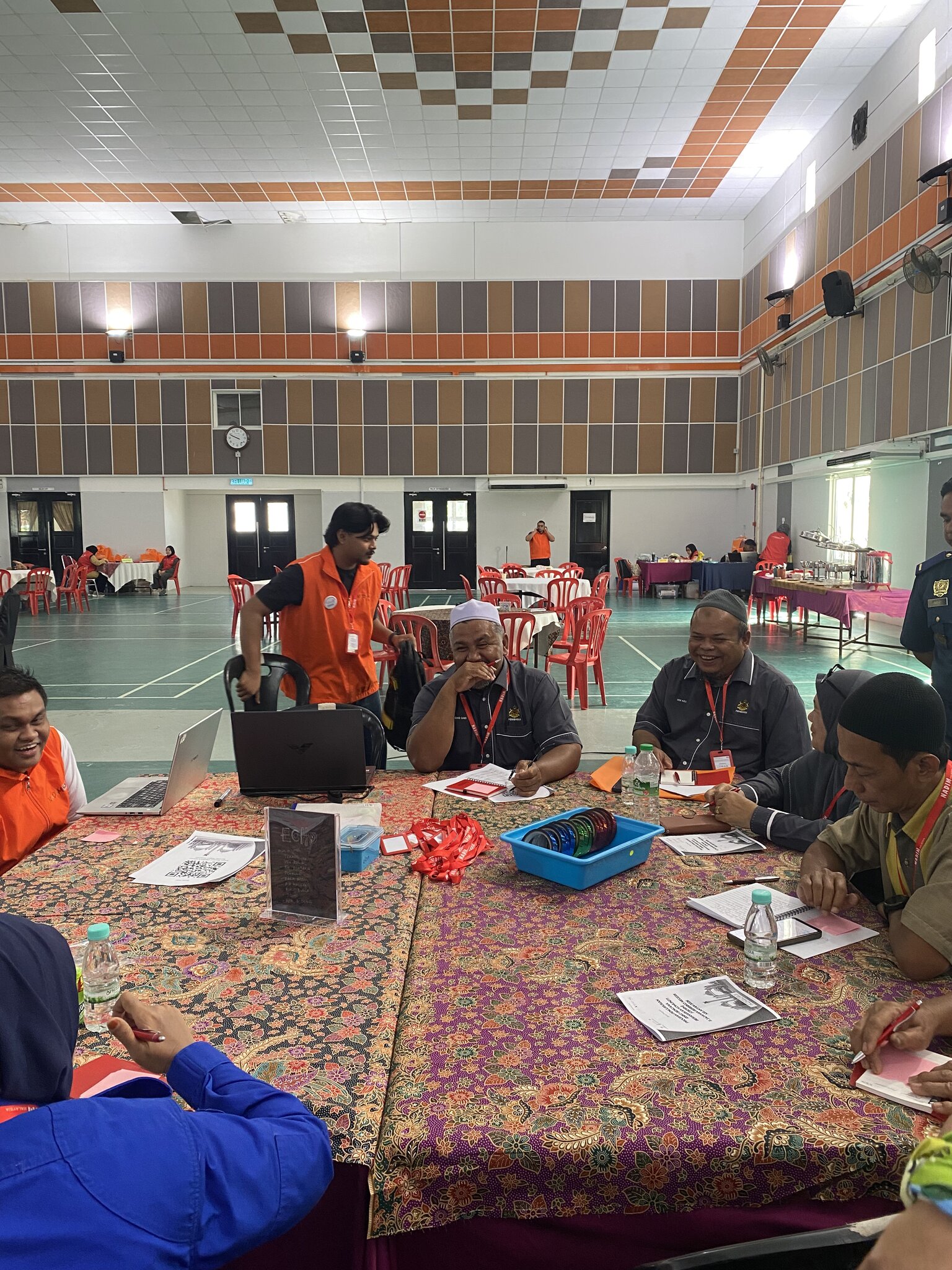
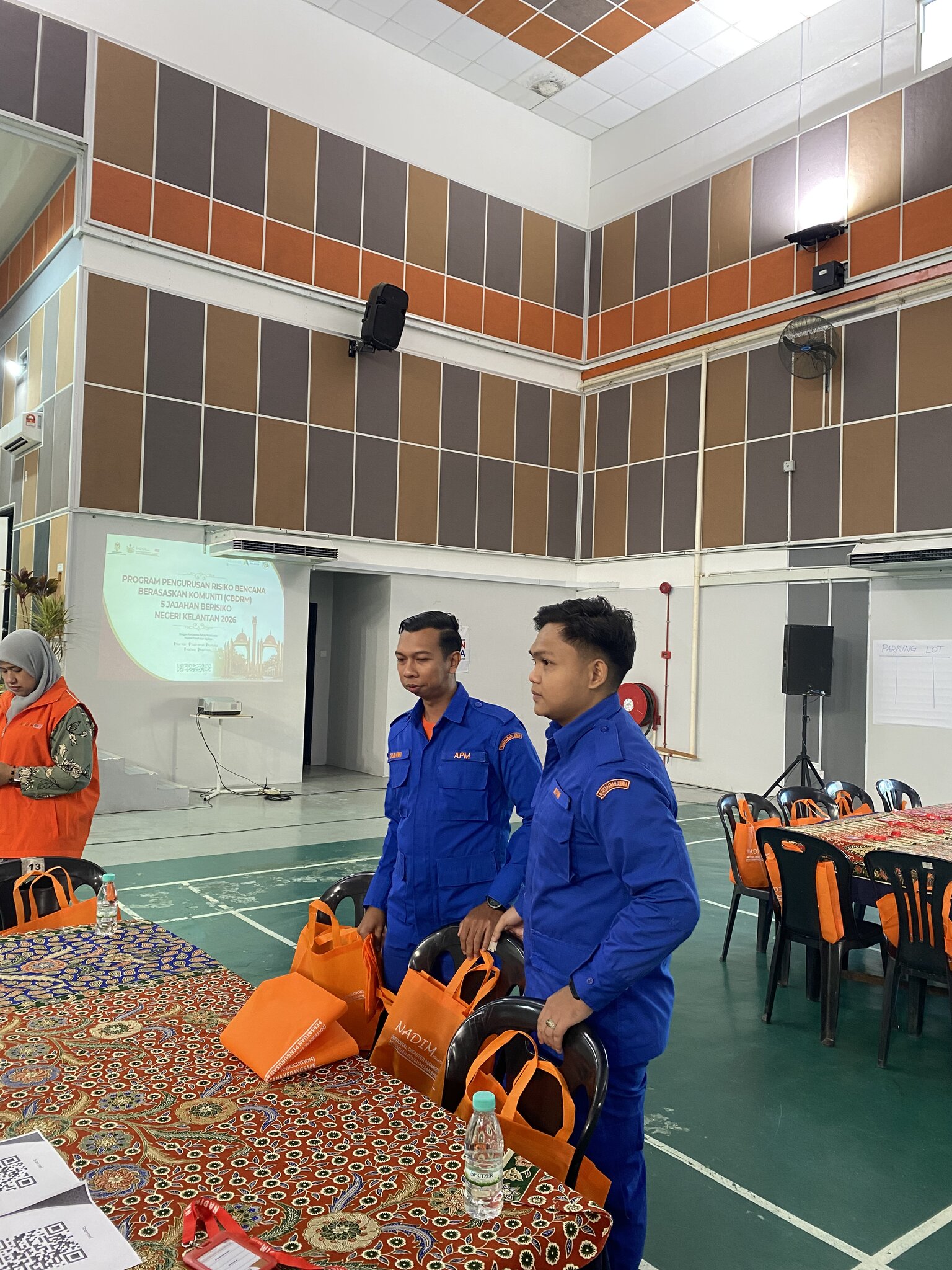
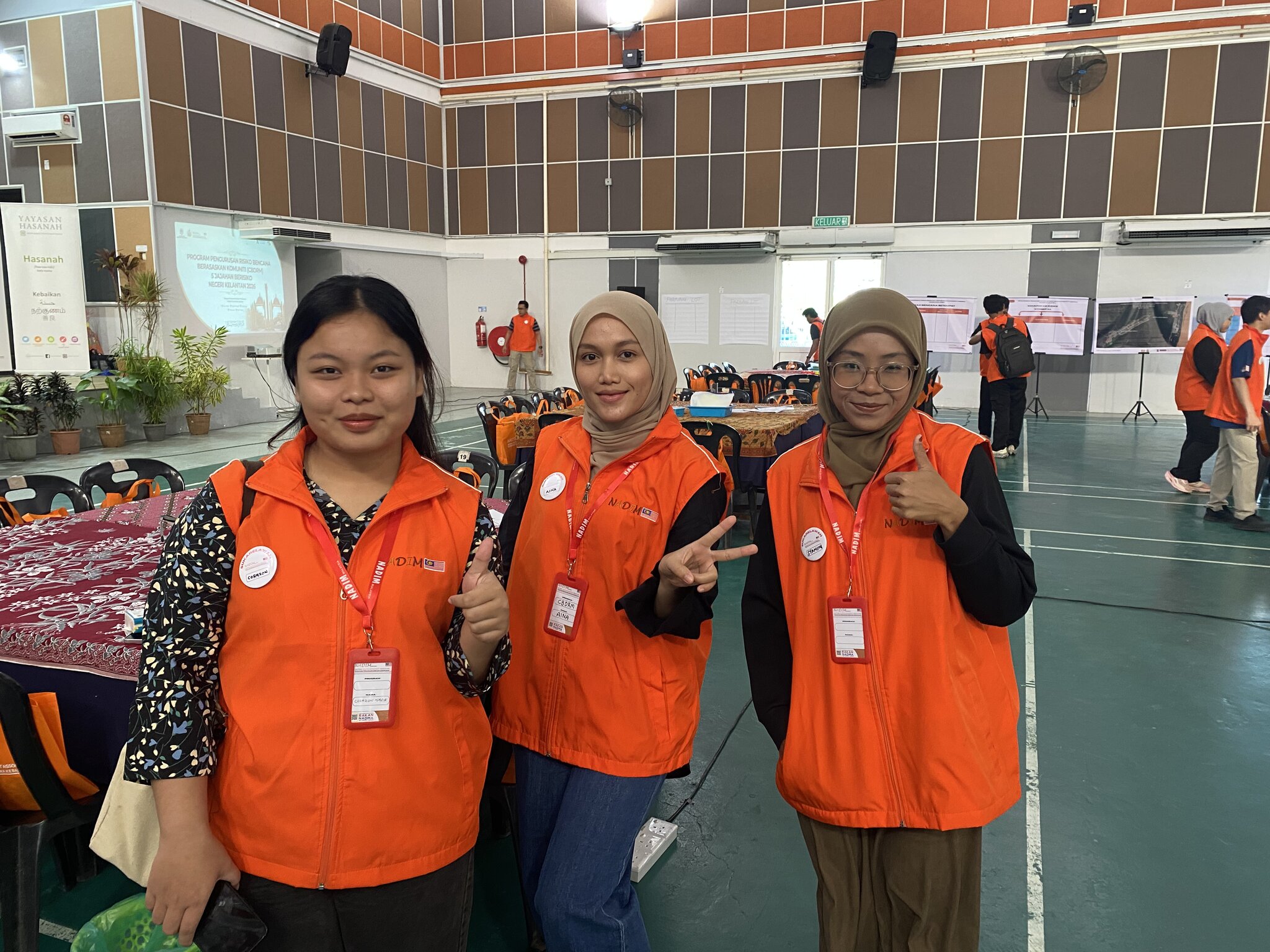
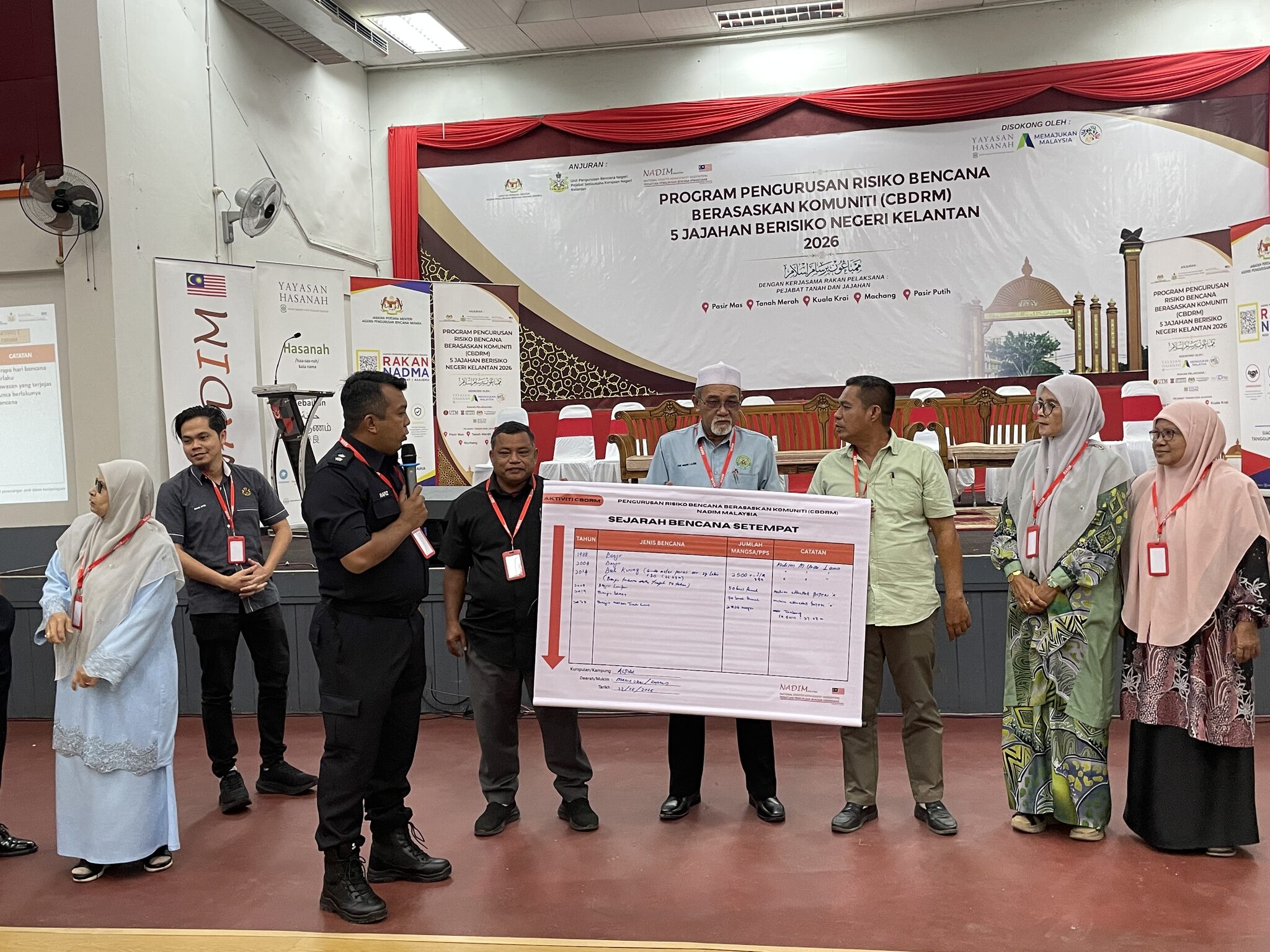
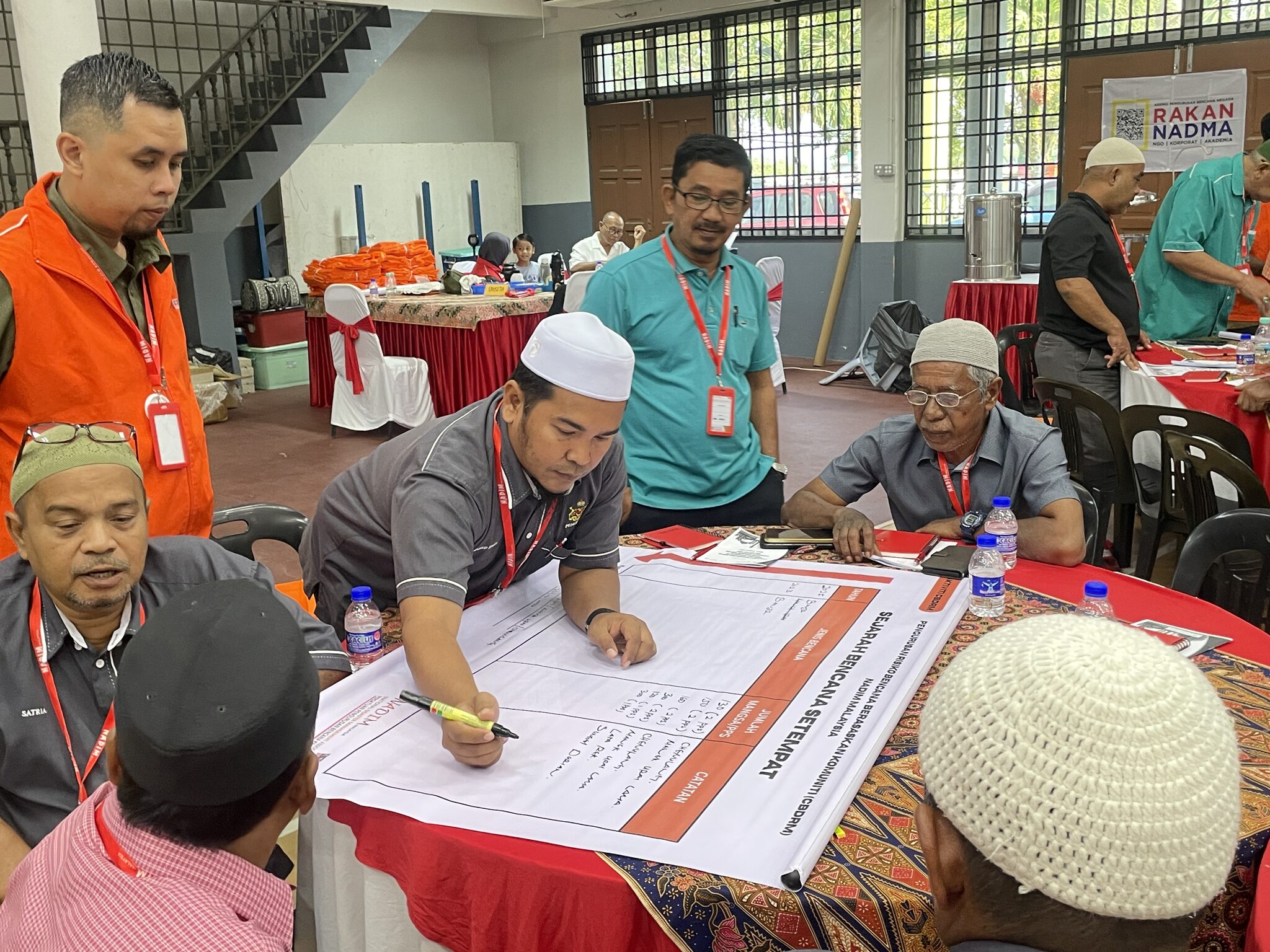
The second series continued in Tanah Merah, where participants took part in practical CBDRM activities focusing on local disaster history, the 3A concept of Maklumat Awal, Persiapan Awal, and Tindakan Awal, community risk mapping, and community action planning.
Click here to view Series 2: Tanah Merah gallery











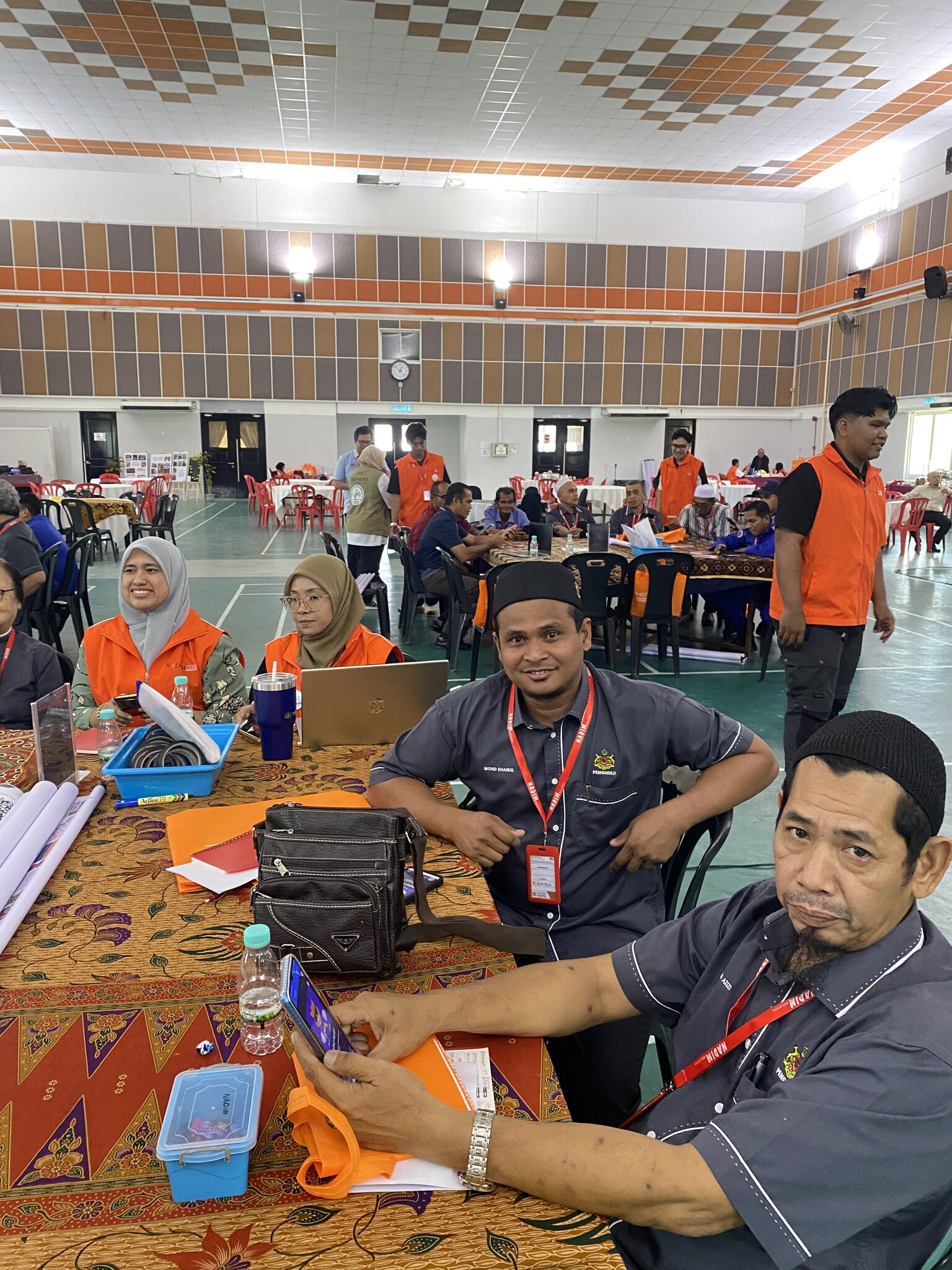




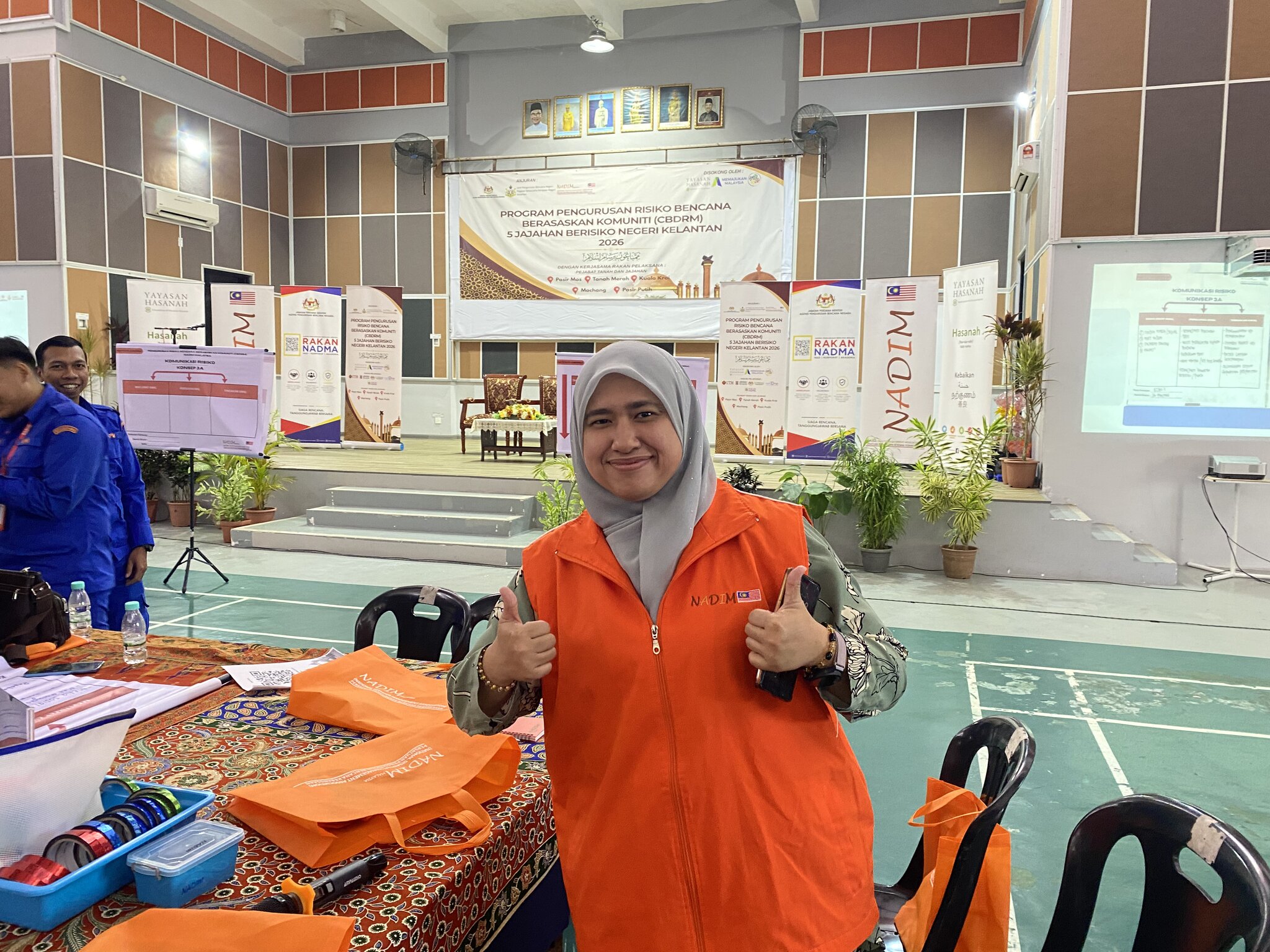

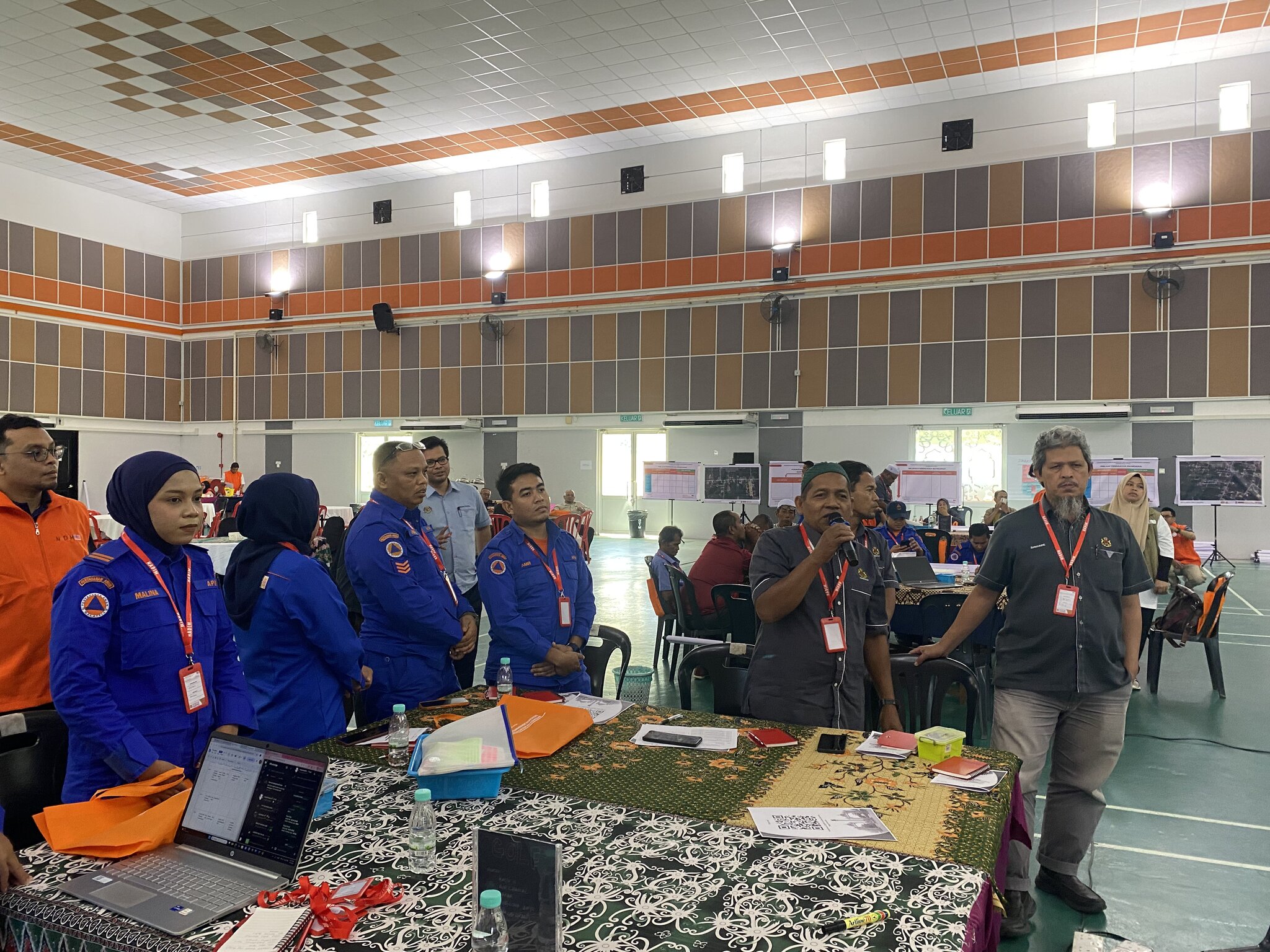












Series 3: Kuala Krai
Date: 23 August 2026
Venue: Dewan Sri Guchil, Kuala Krai, Kelantan
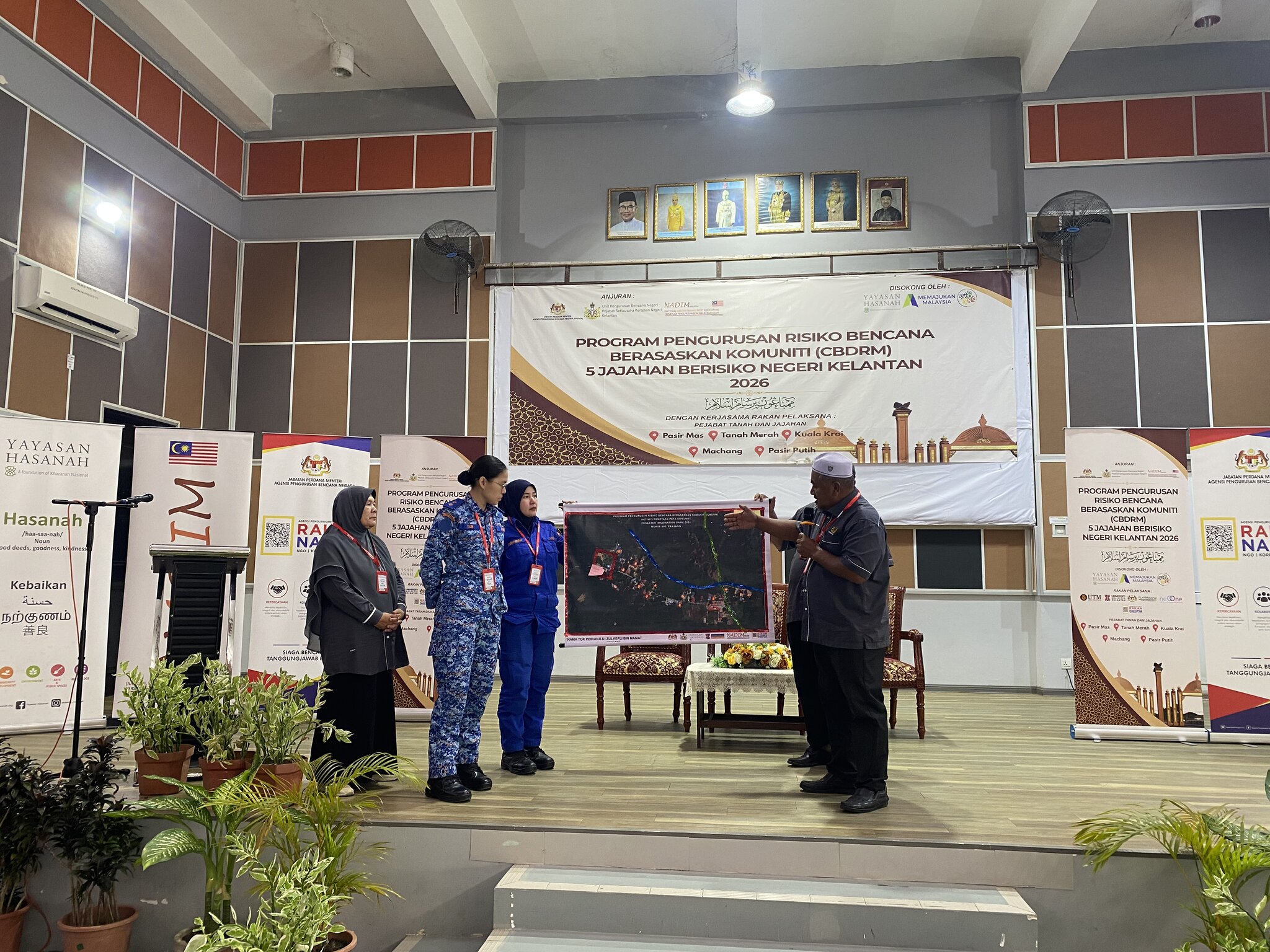
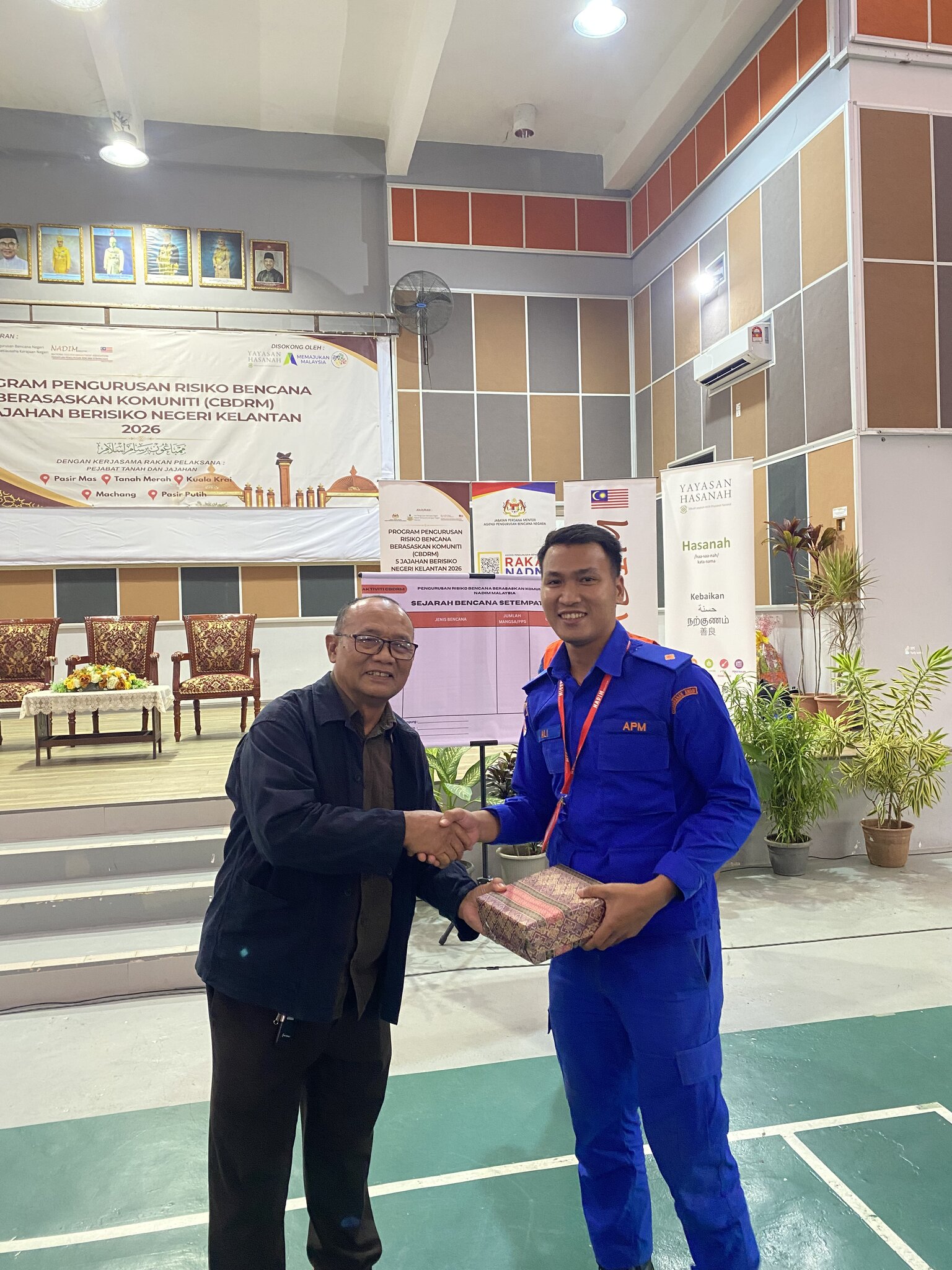
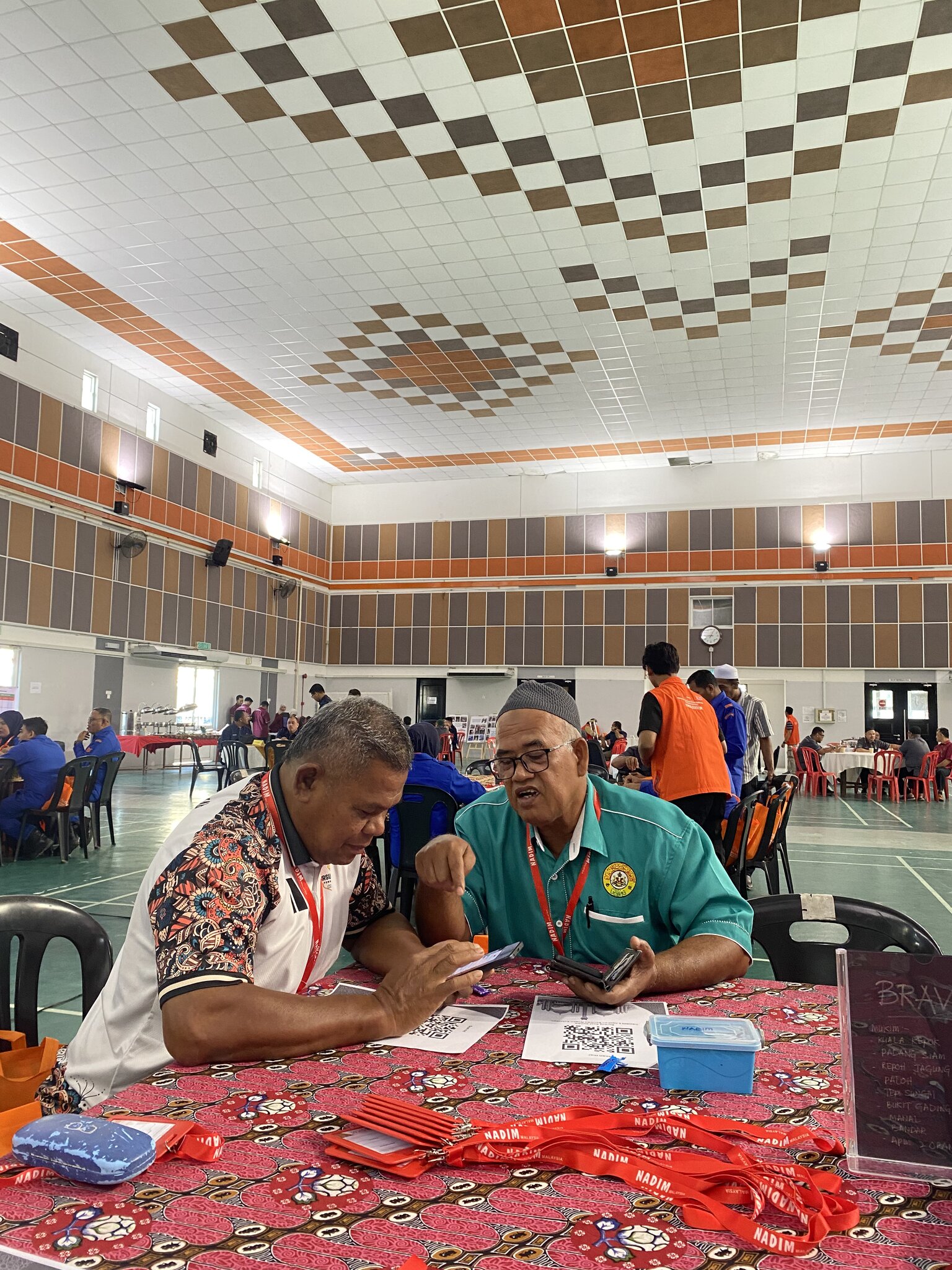
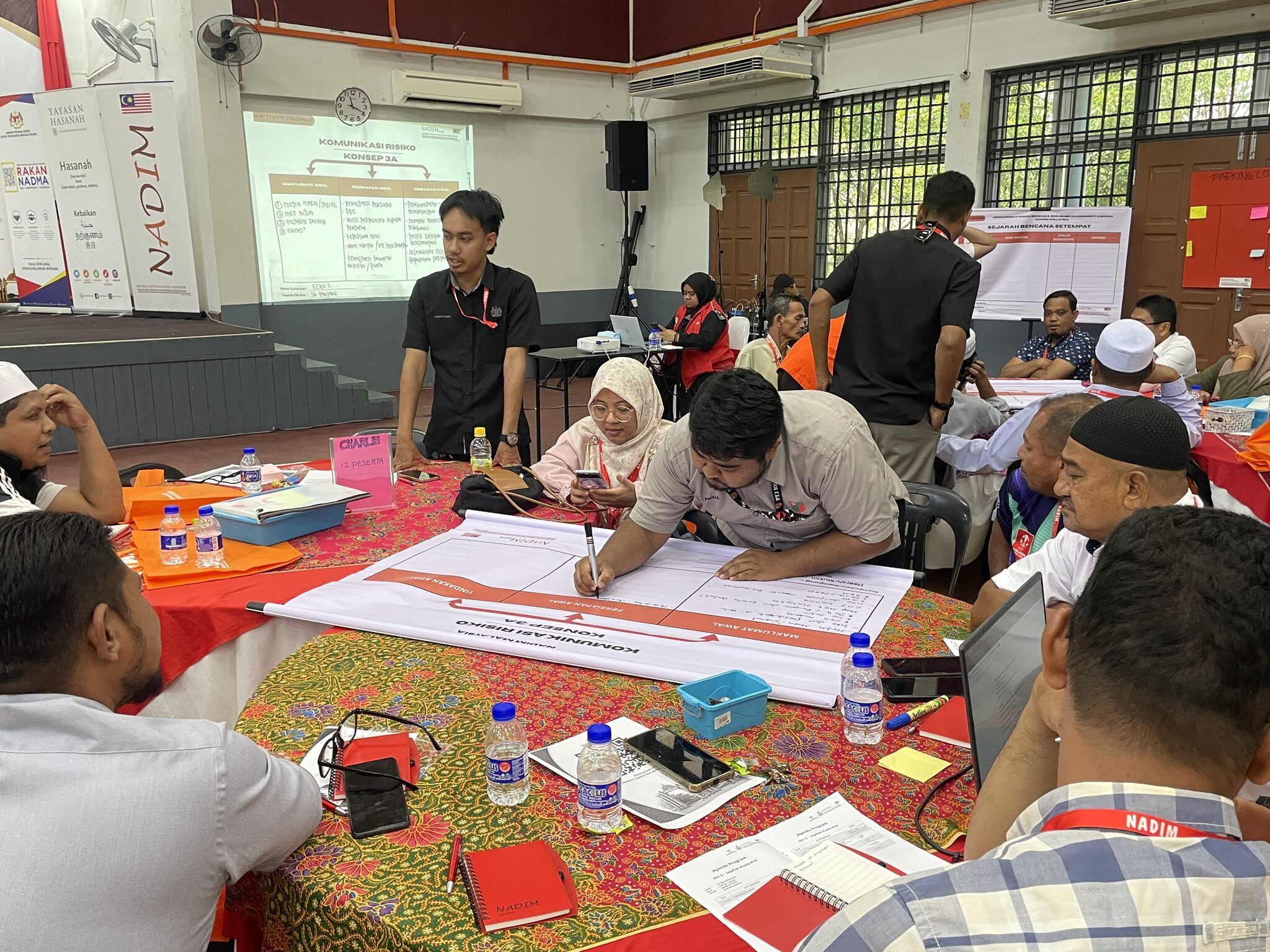
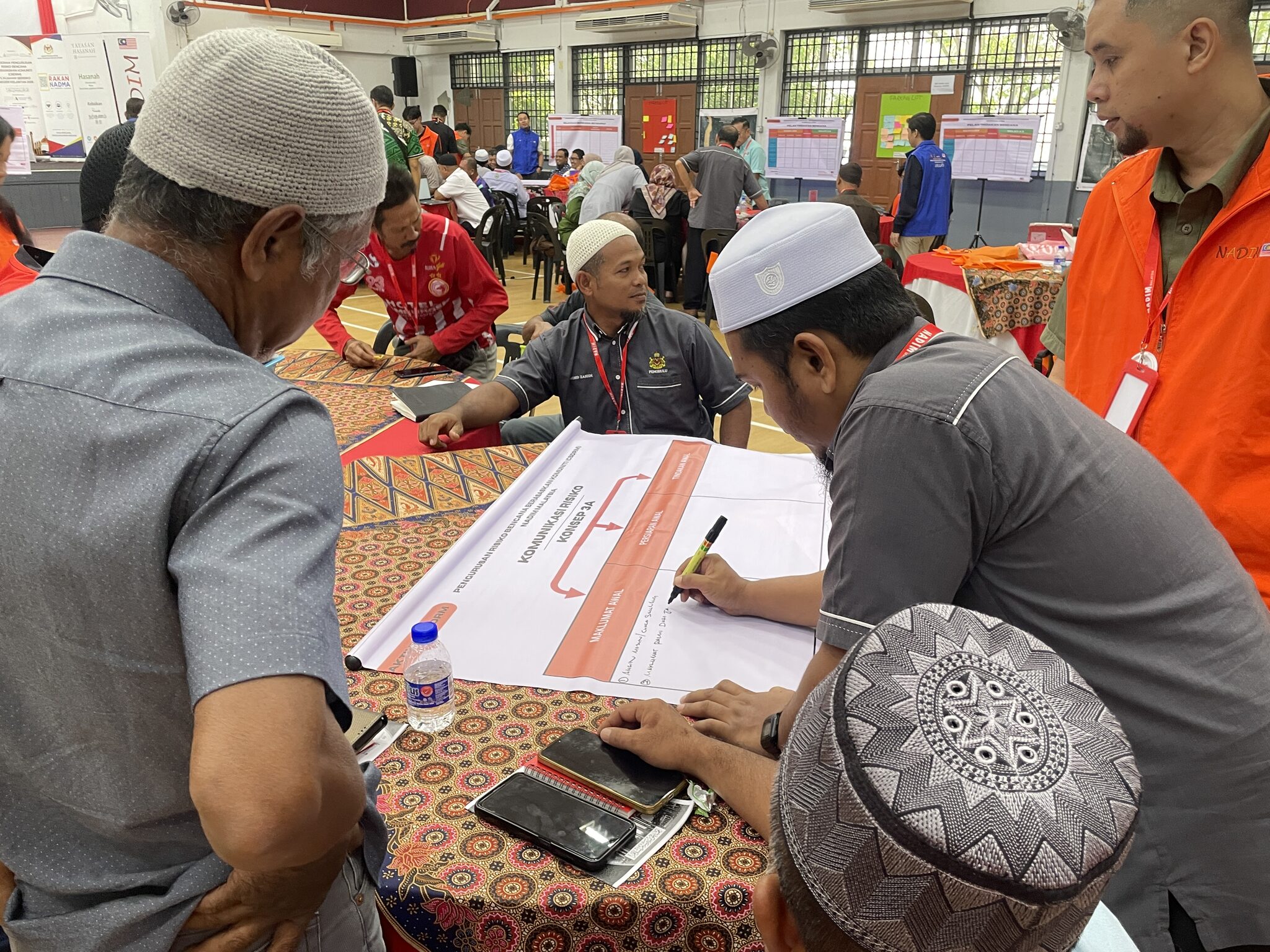
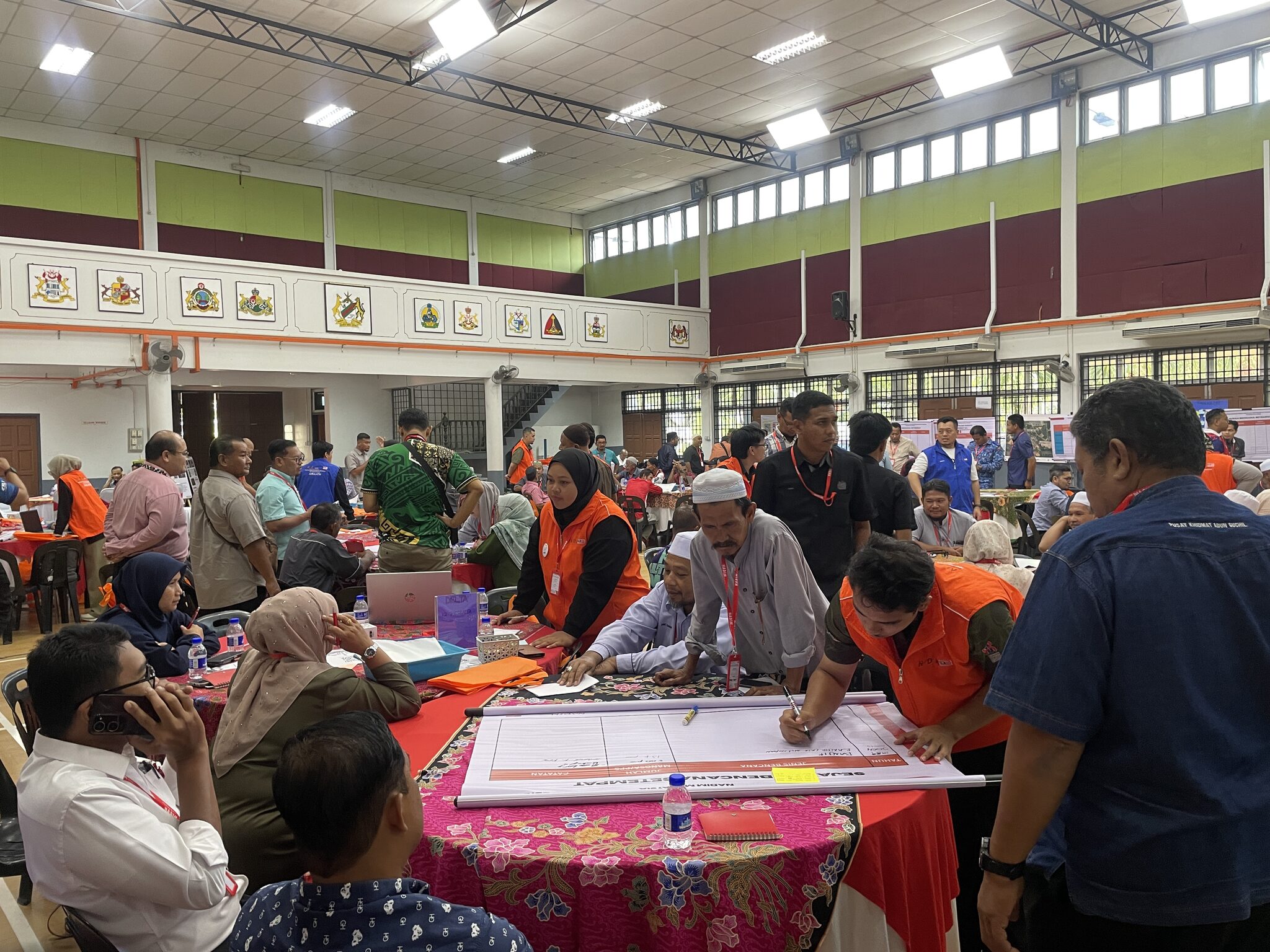
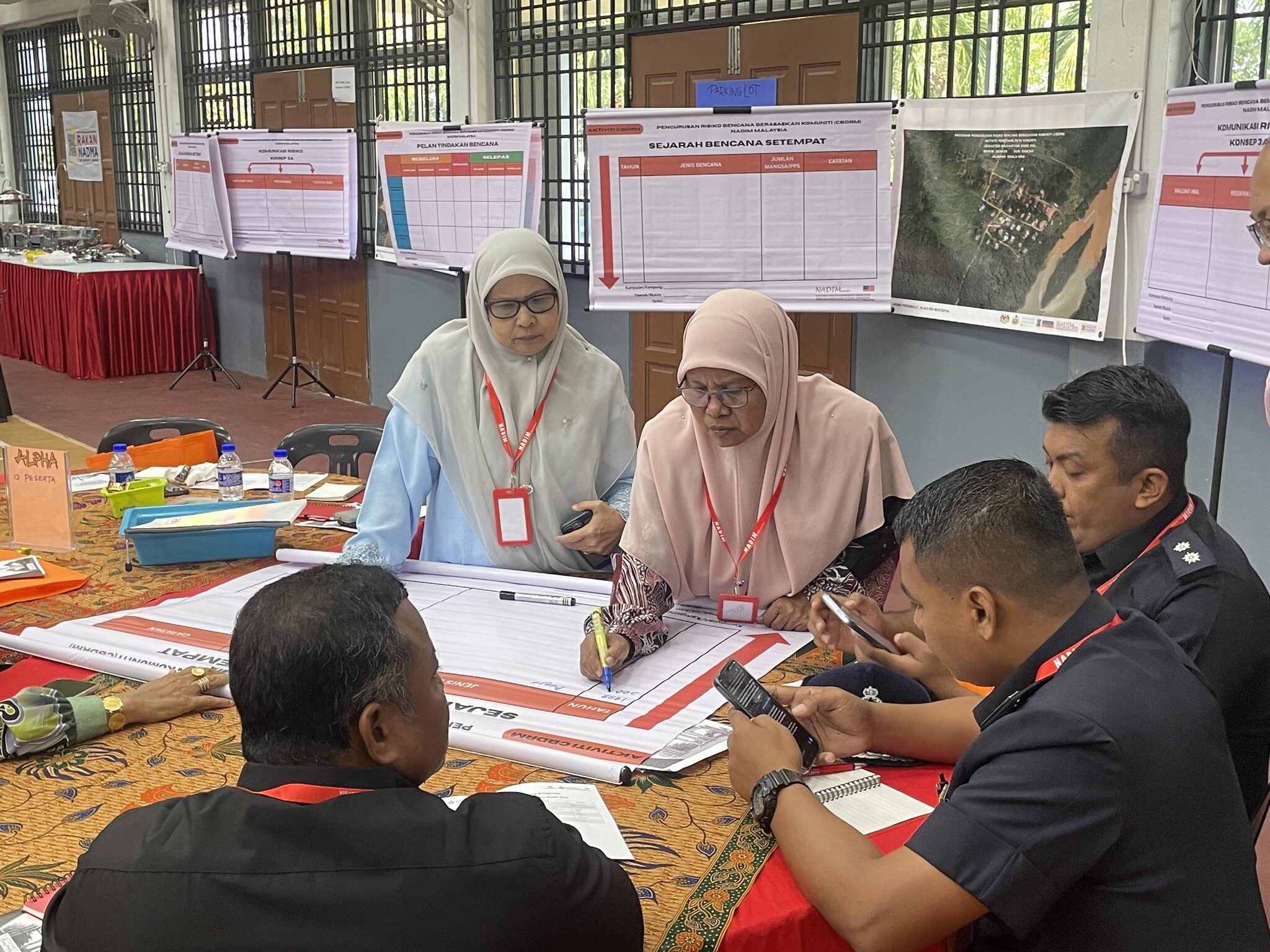
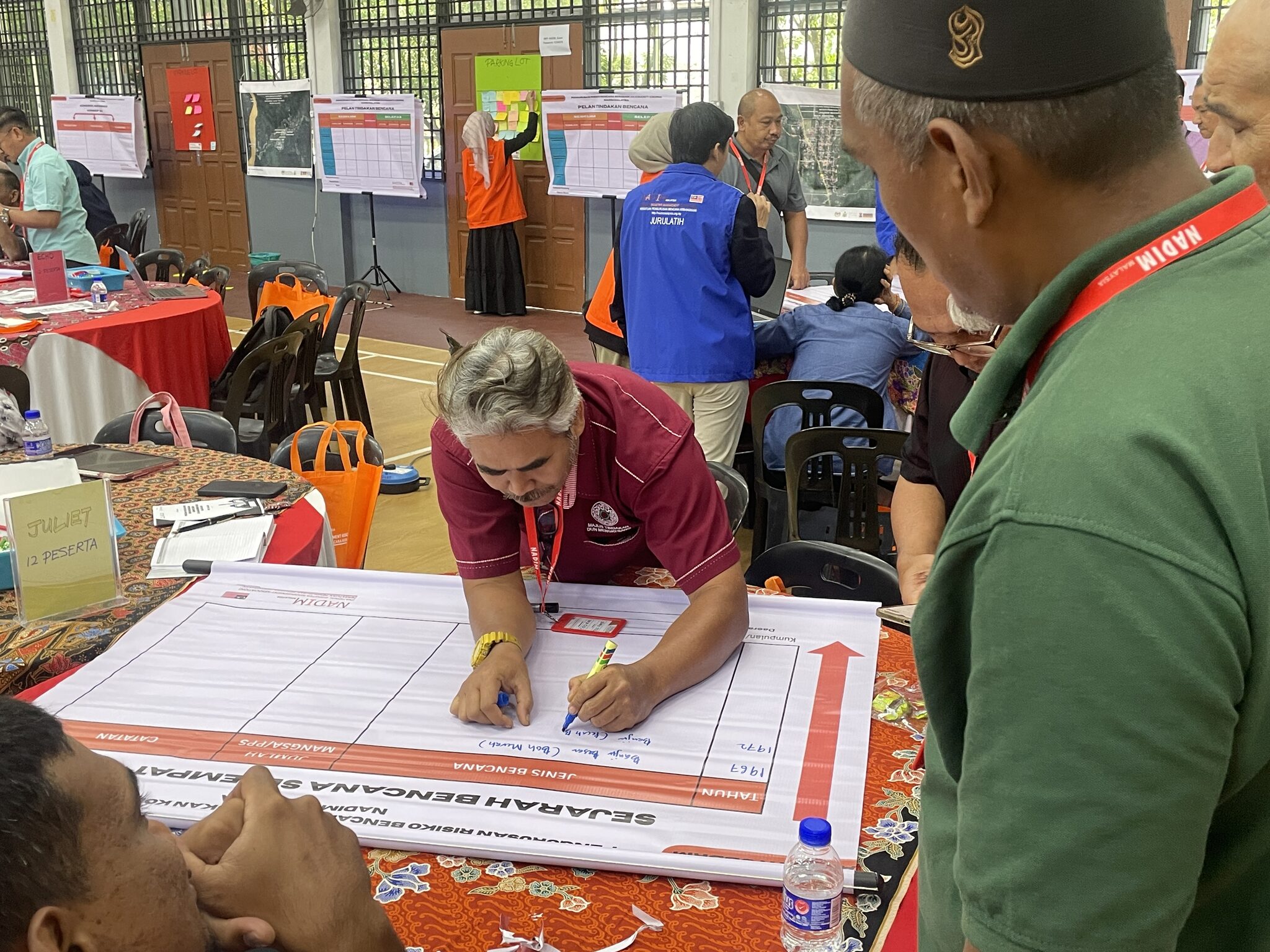
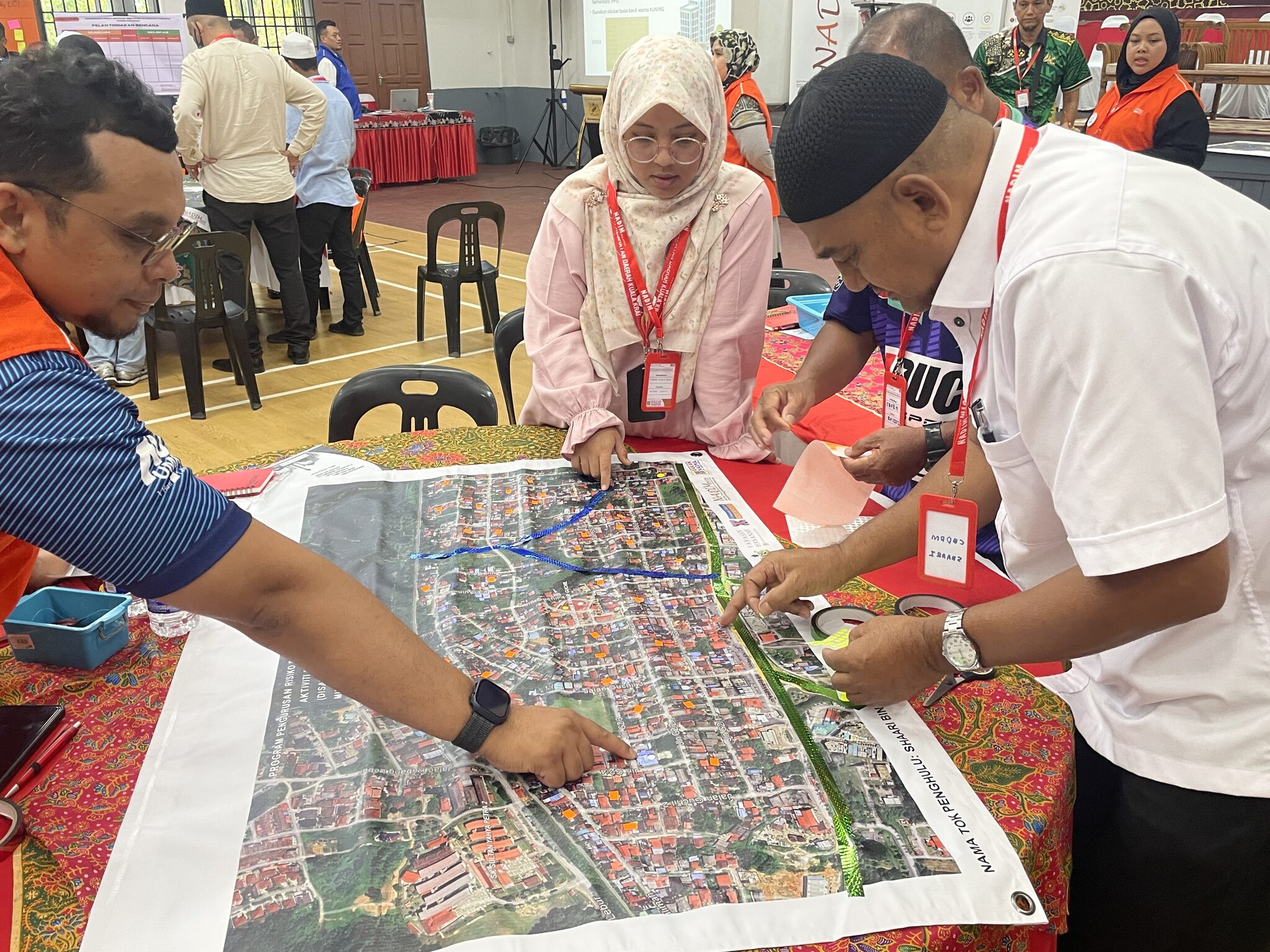
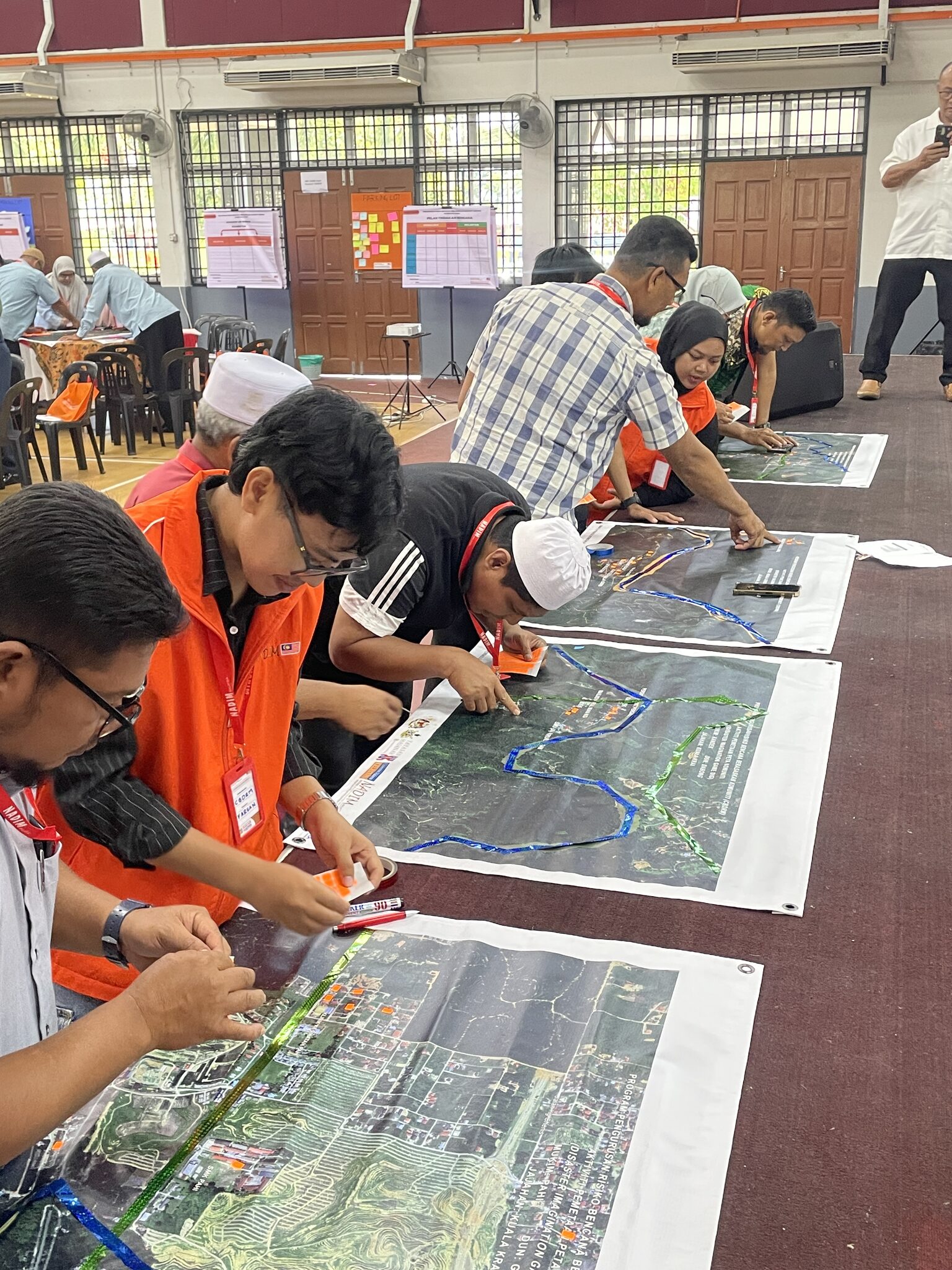
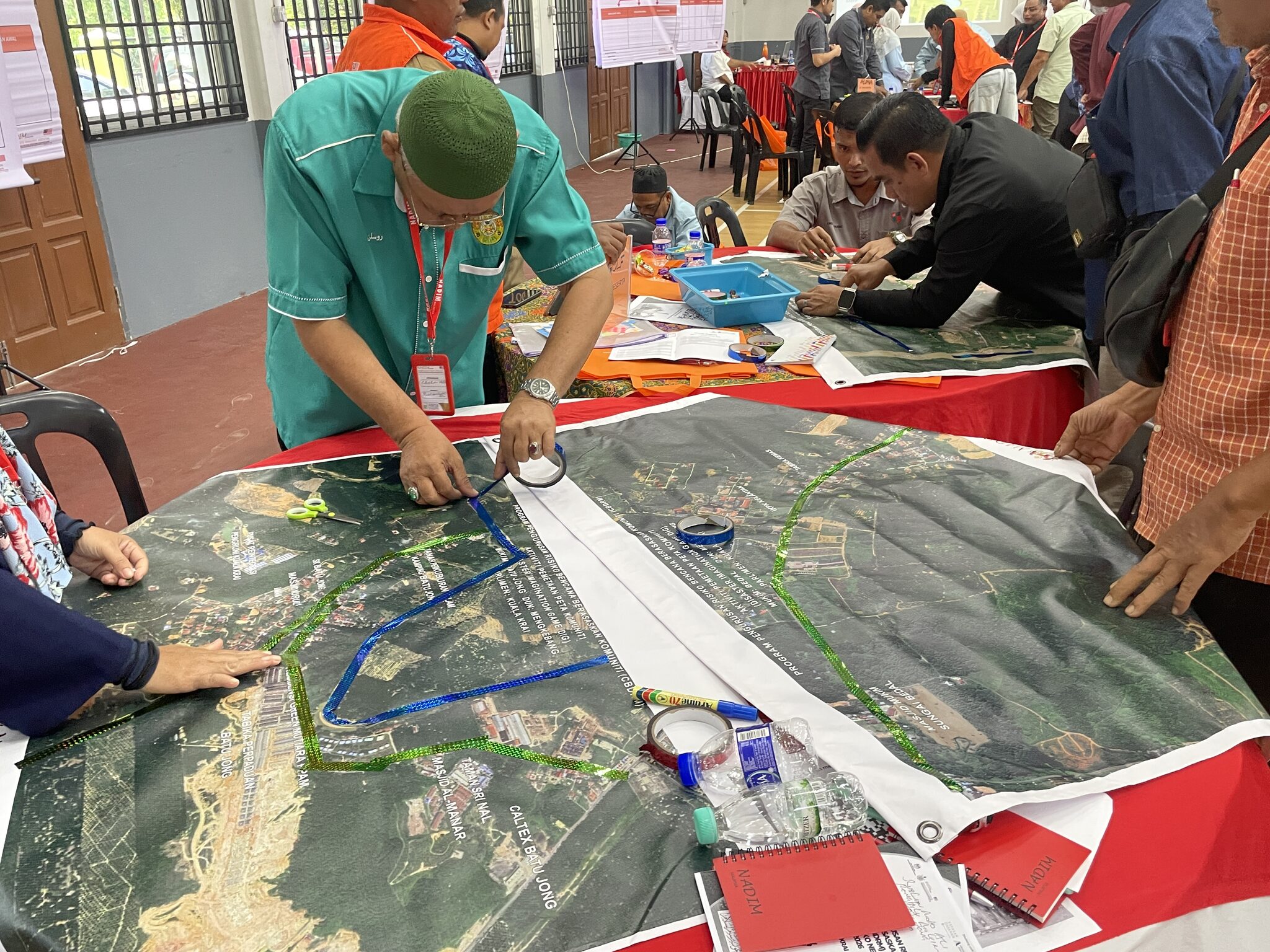
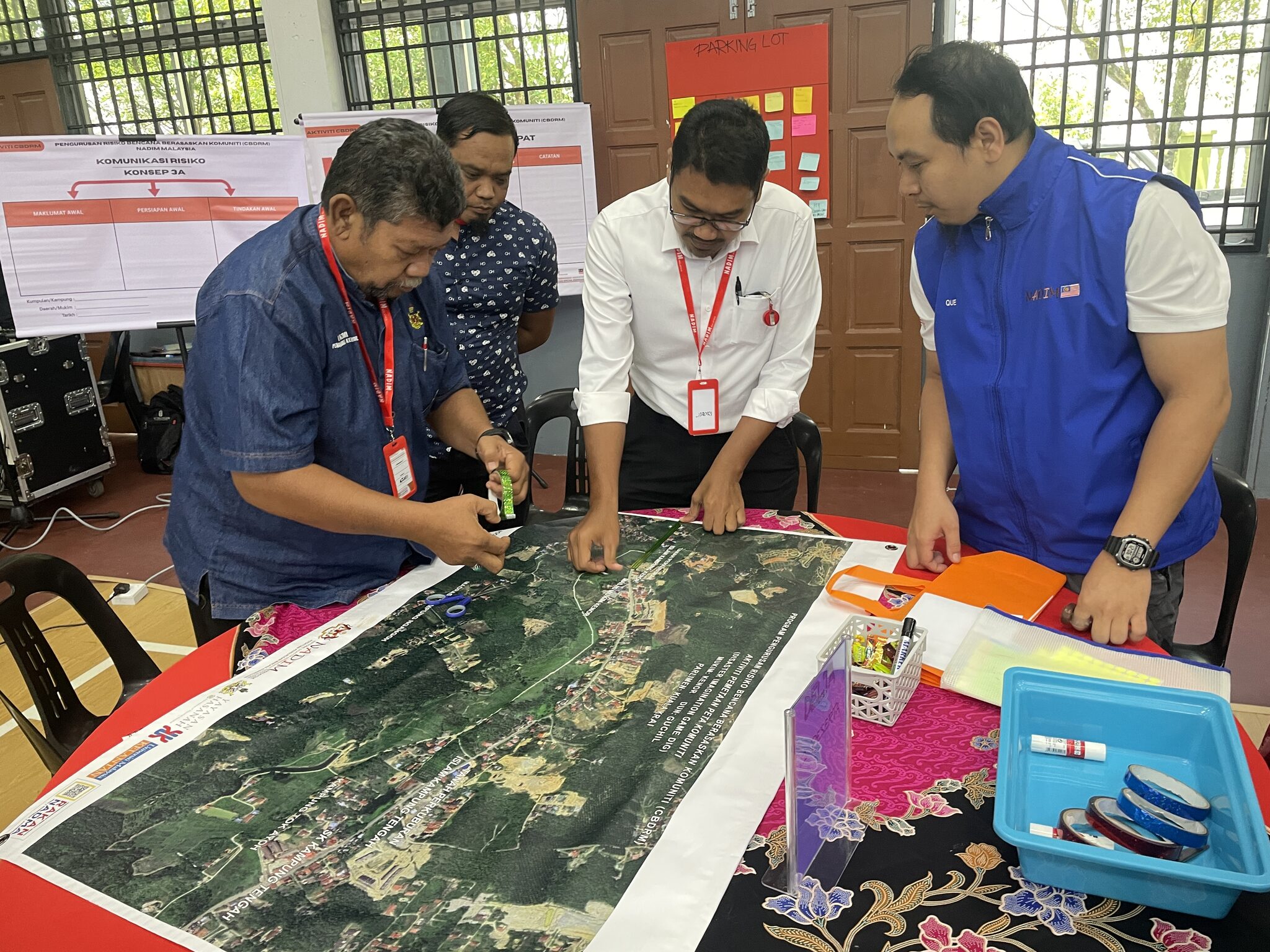
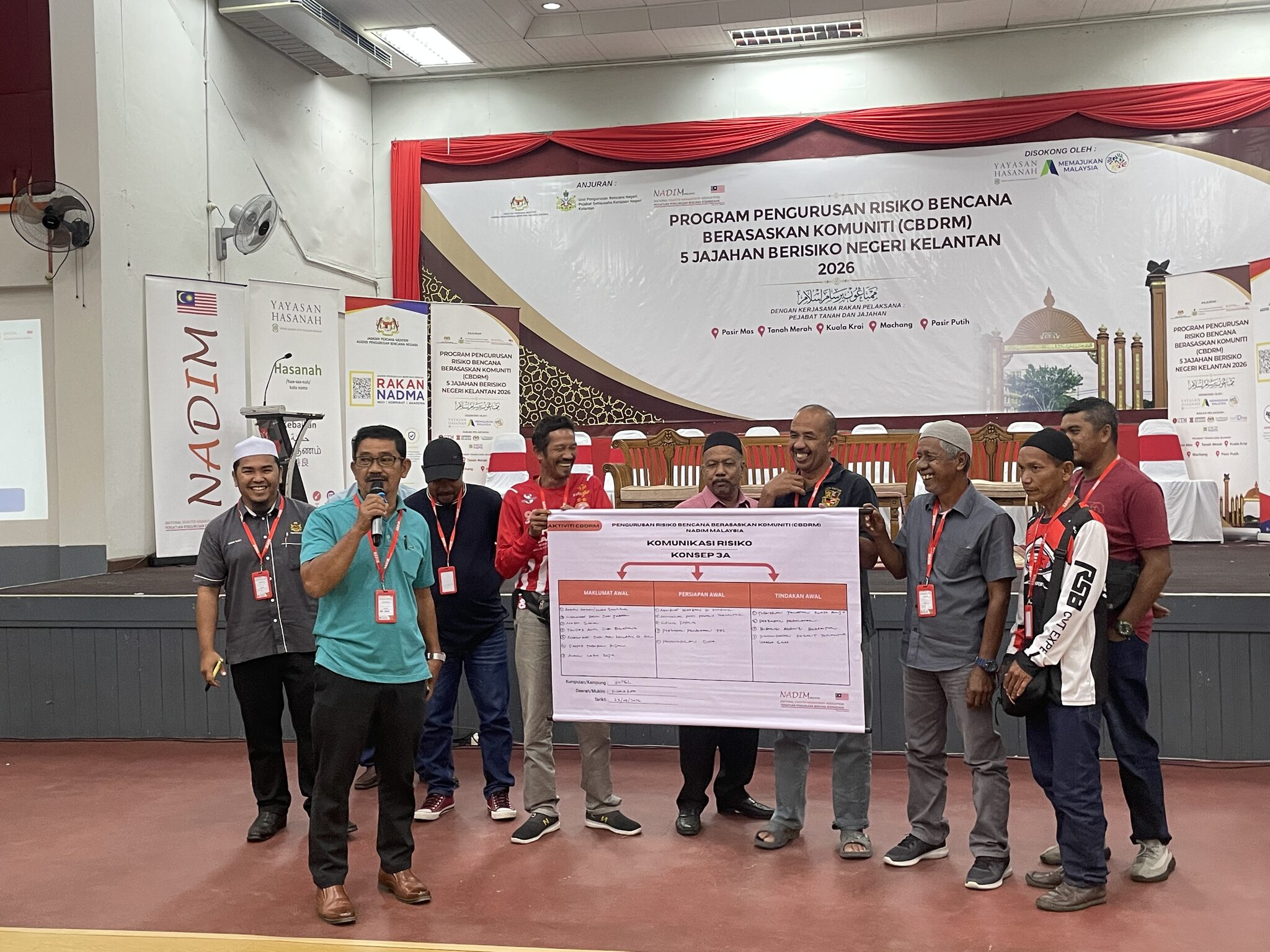
The third series was held in Kuala Krai, where participants took part in activities on local disaster history, risk communication, and community risk mapping.
Click here to view Series 3: Kuala Krai gallery














Series 4: Machang
Date: 24 August 2026
Venue: Dewan Majlis Daerah Machang, Machang, Kelantan
The fourth series took place in Machang, where participants explored local disaster history, risk communication, community risk mapping, and community action planning.
Click here to view Series 4: Machang gallery






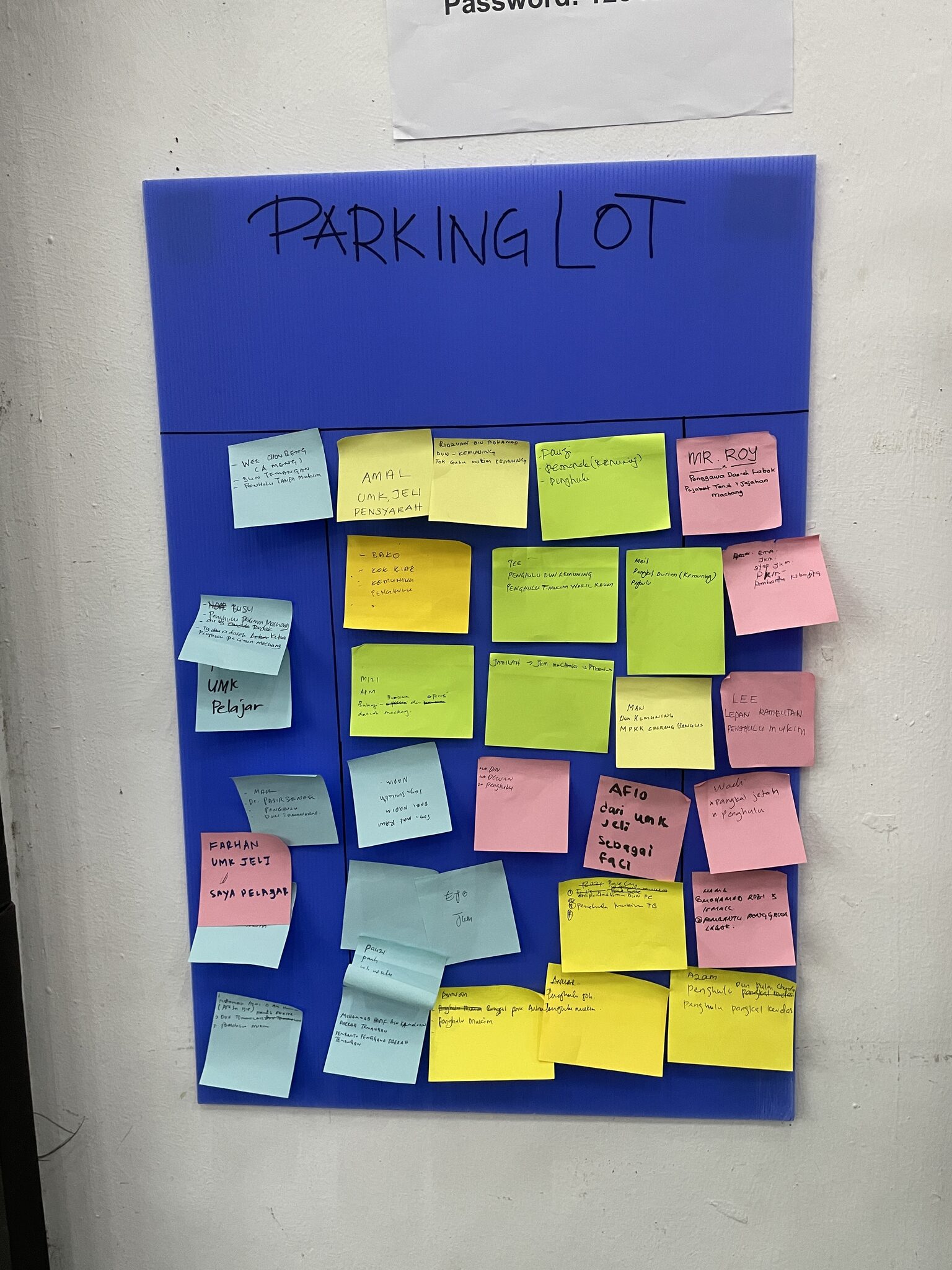


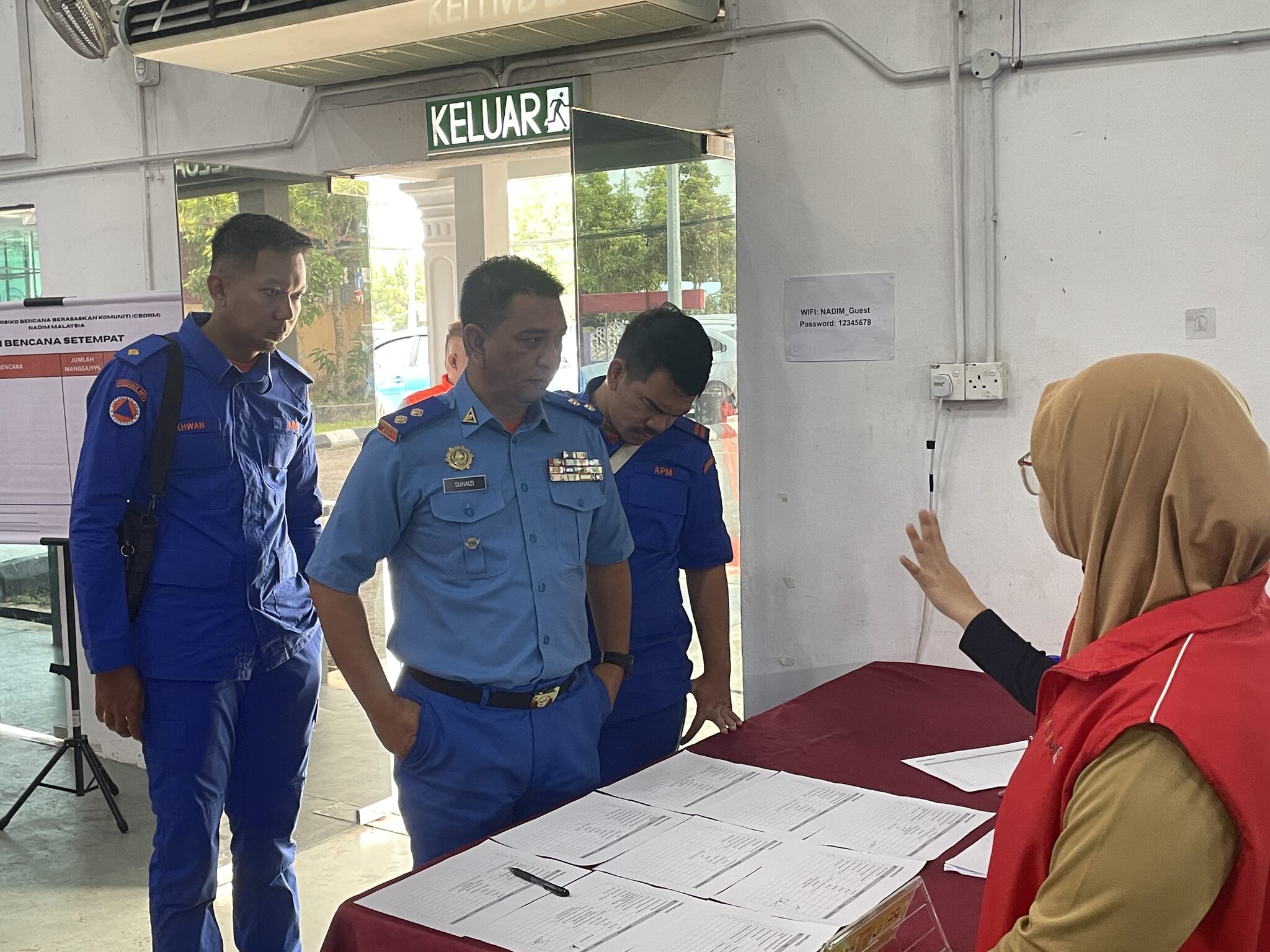






Series 5: Pasir Puteh
Date: 26 August 2026
Location: Pasir Puteh, Kelantan
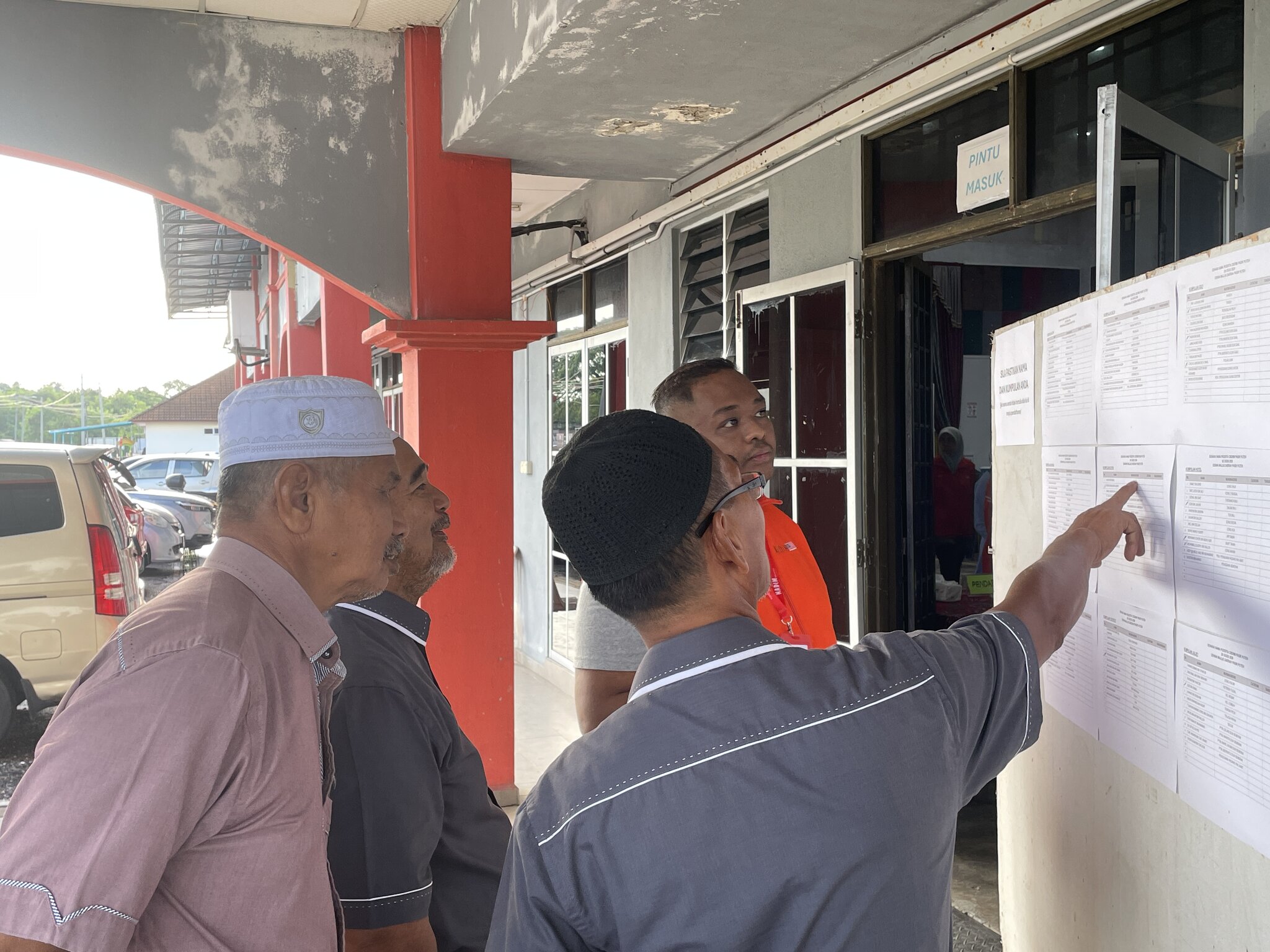
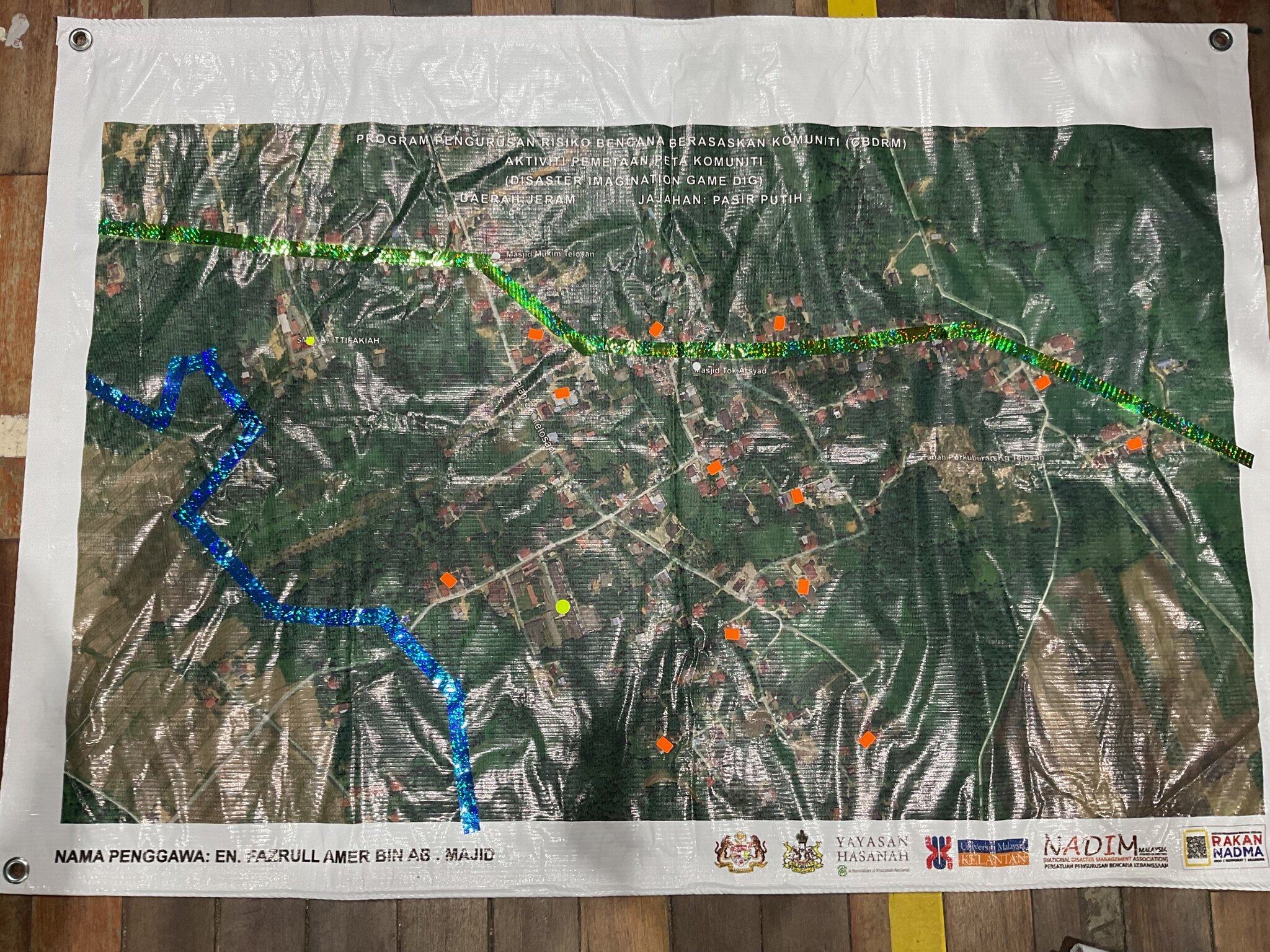
The fifth and final series was held in Pasir Puteh, completing the programme across the five selected high-risk jajahan in Kelantan.
Click here to view Series 5: Pasir Puteh gallery









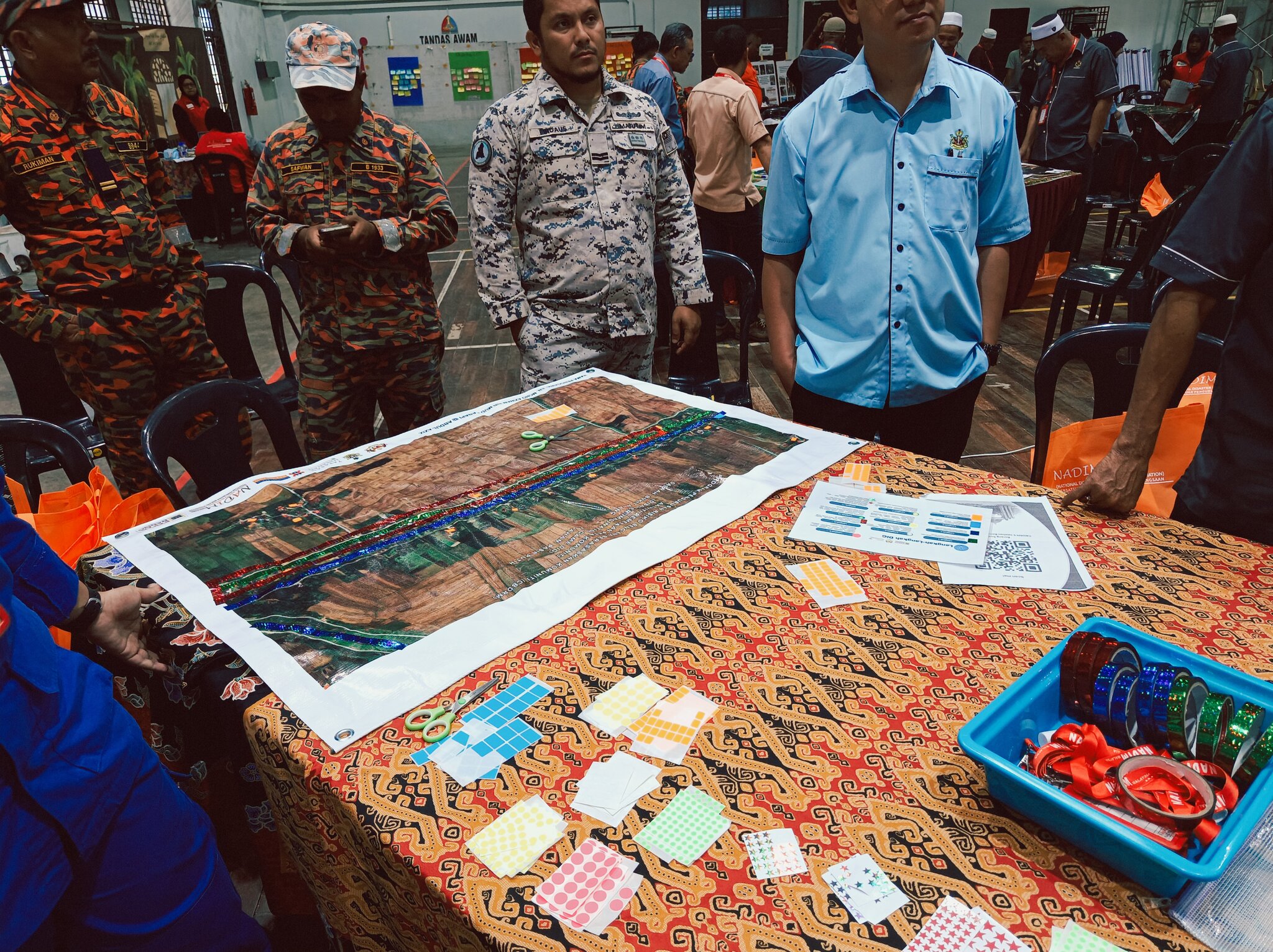



Practical Learning Through Community Participation
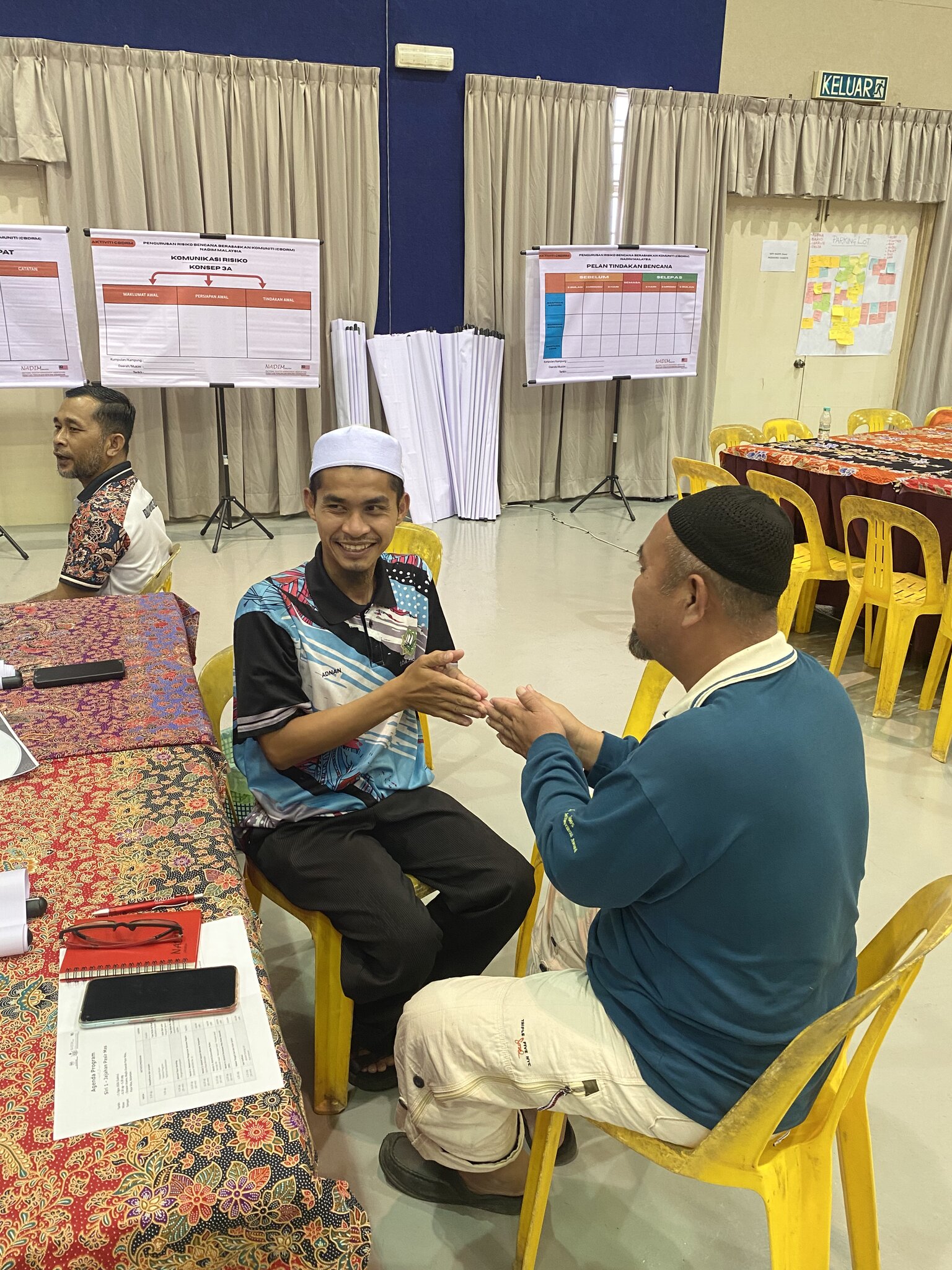
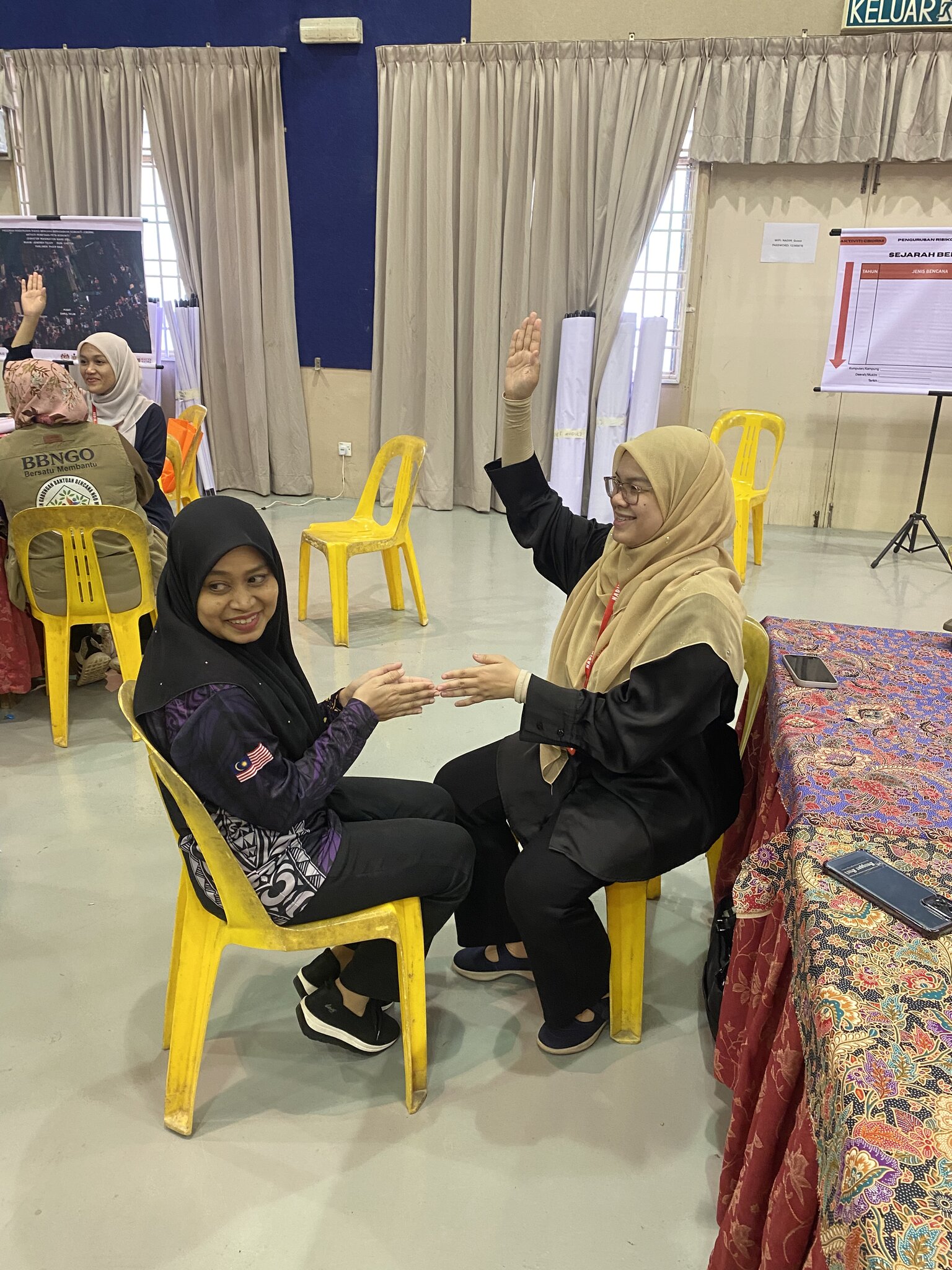
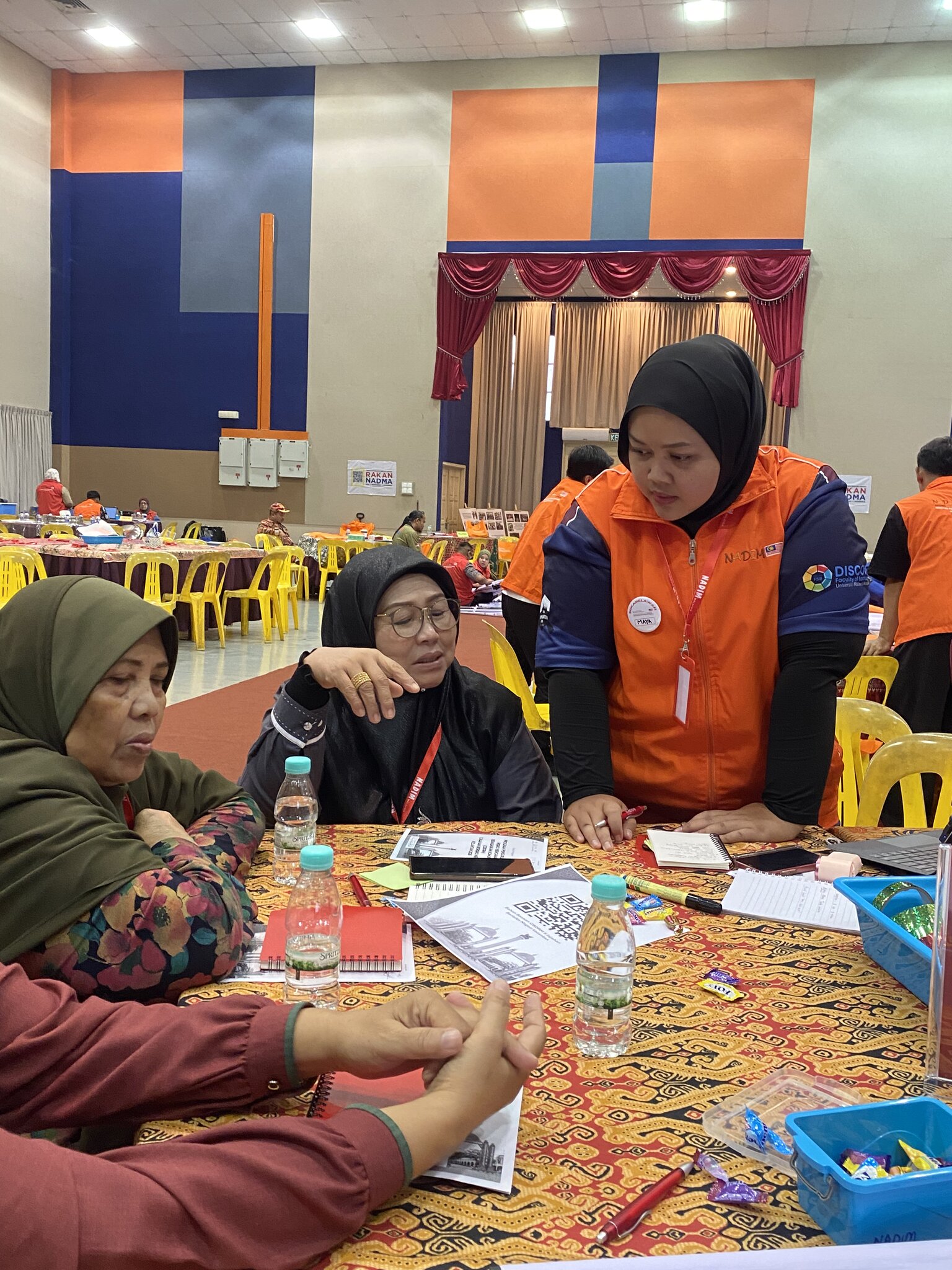
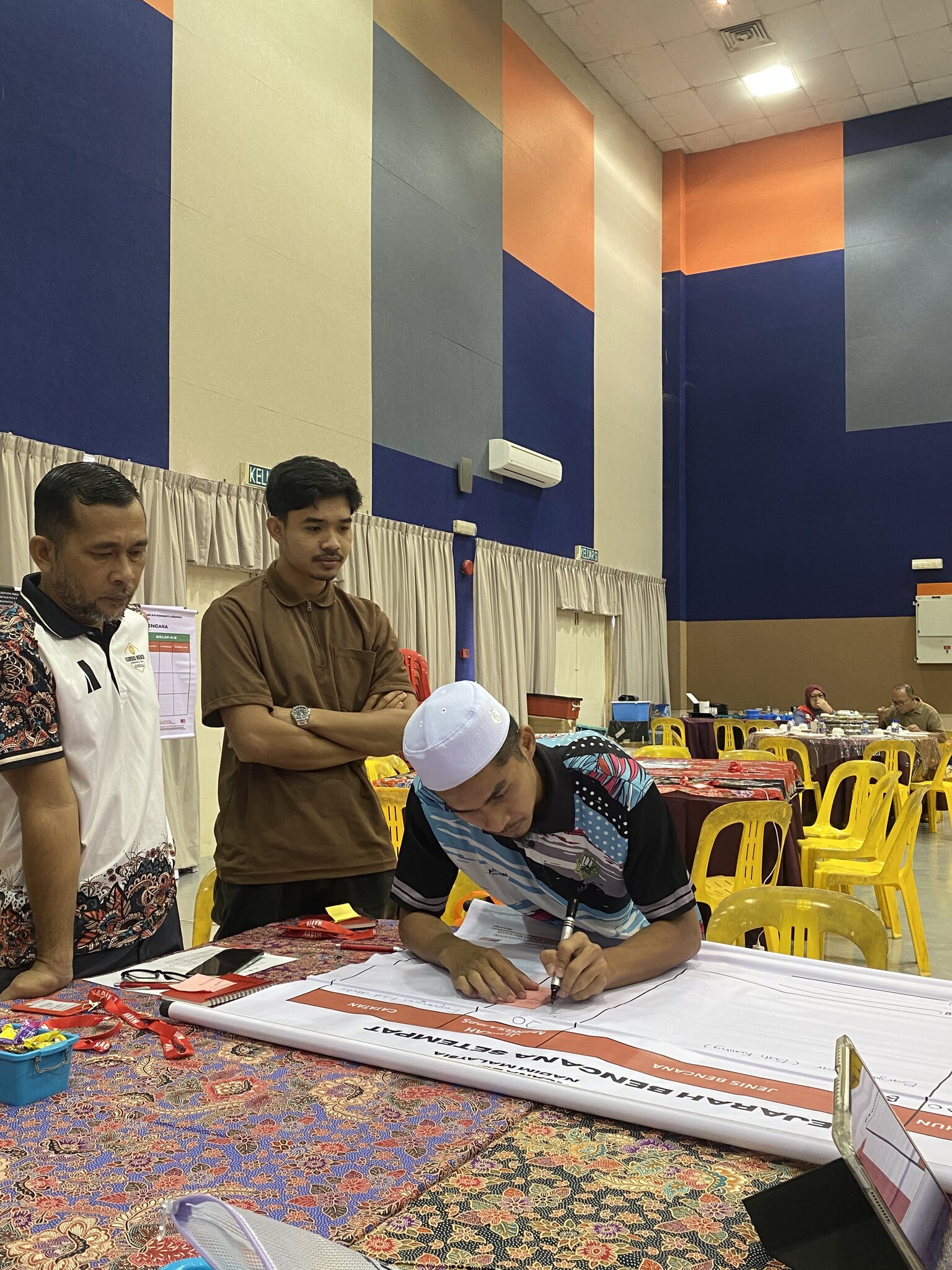
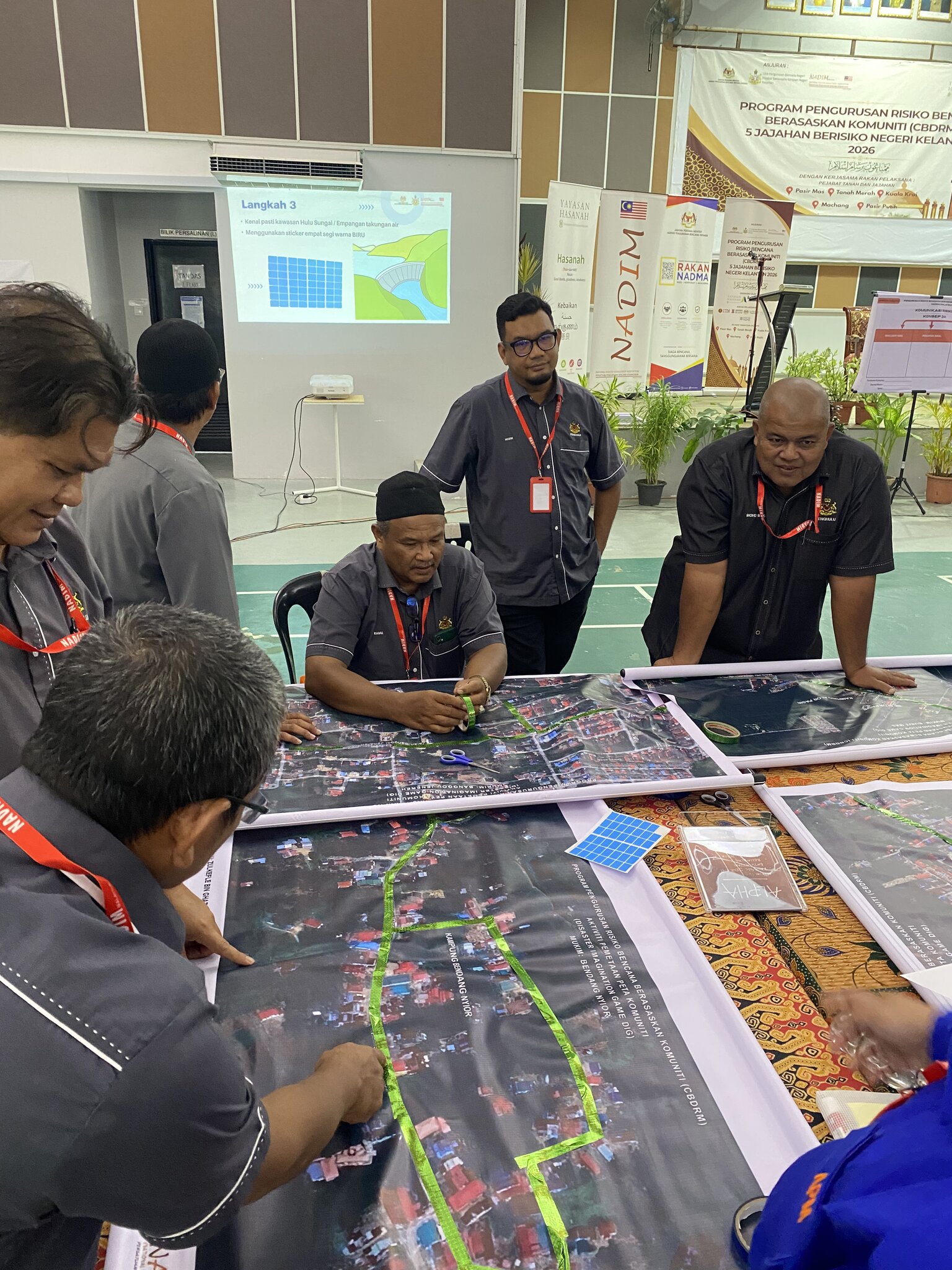
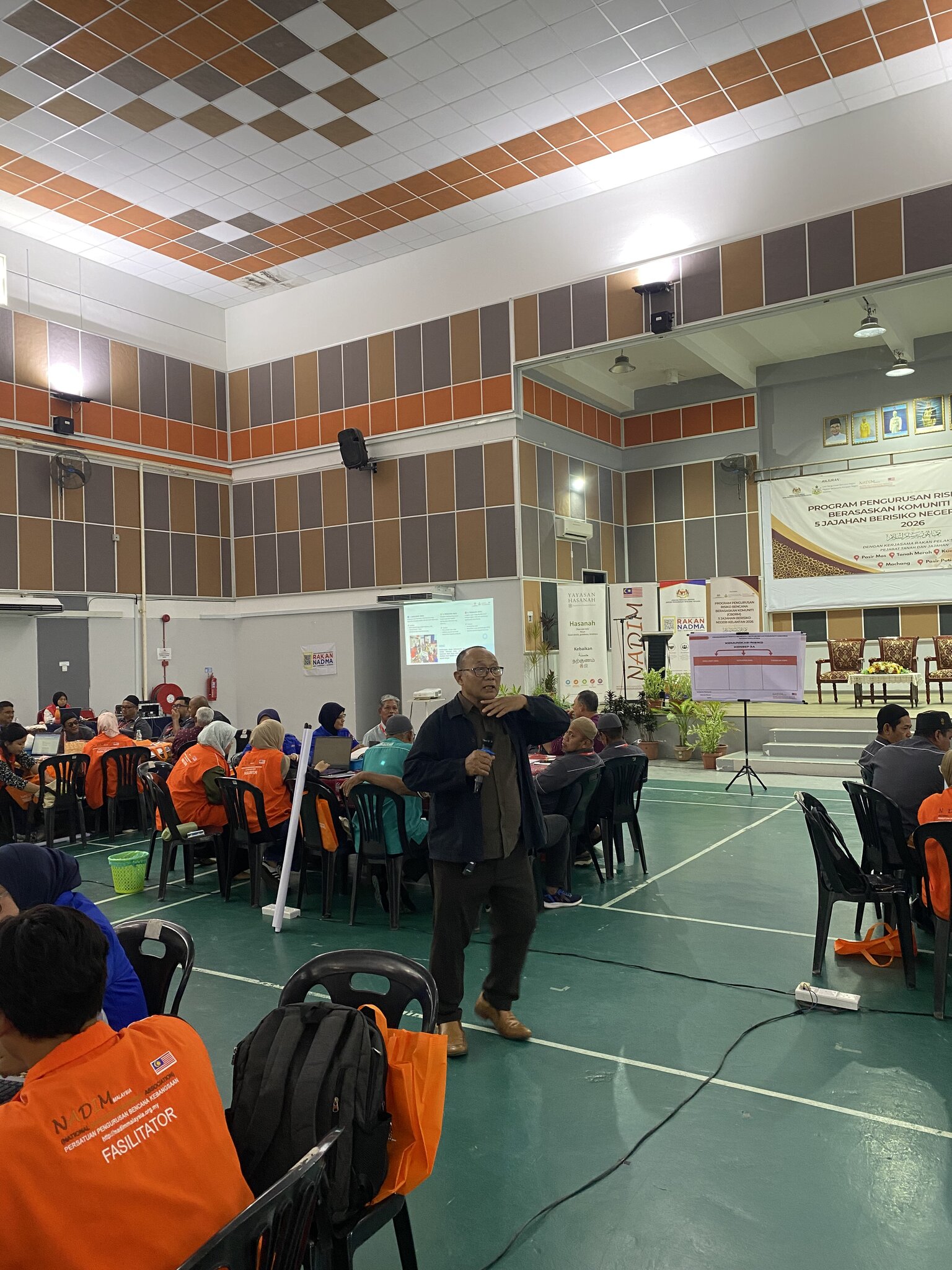
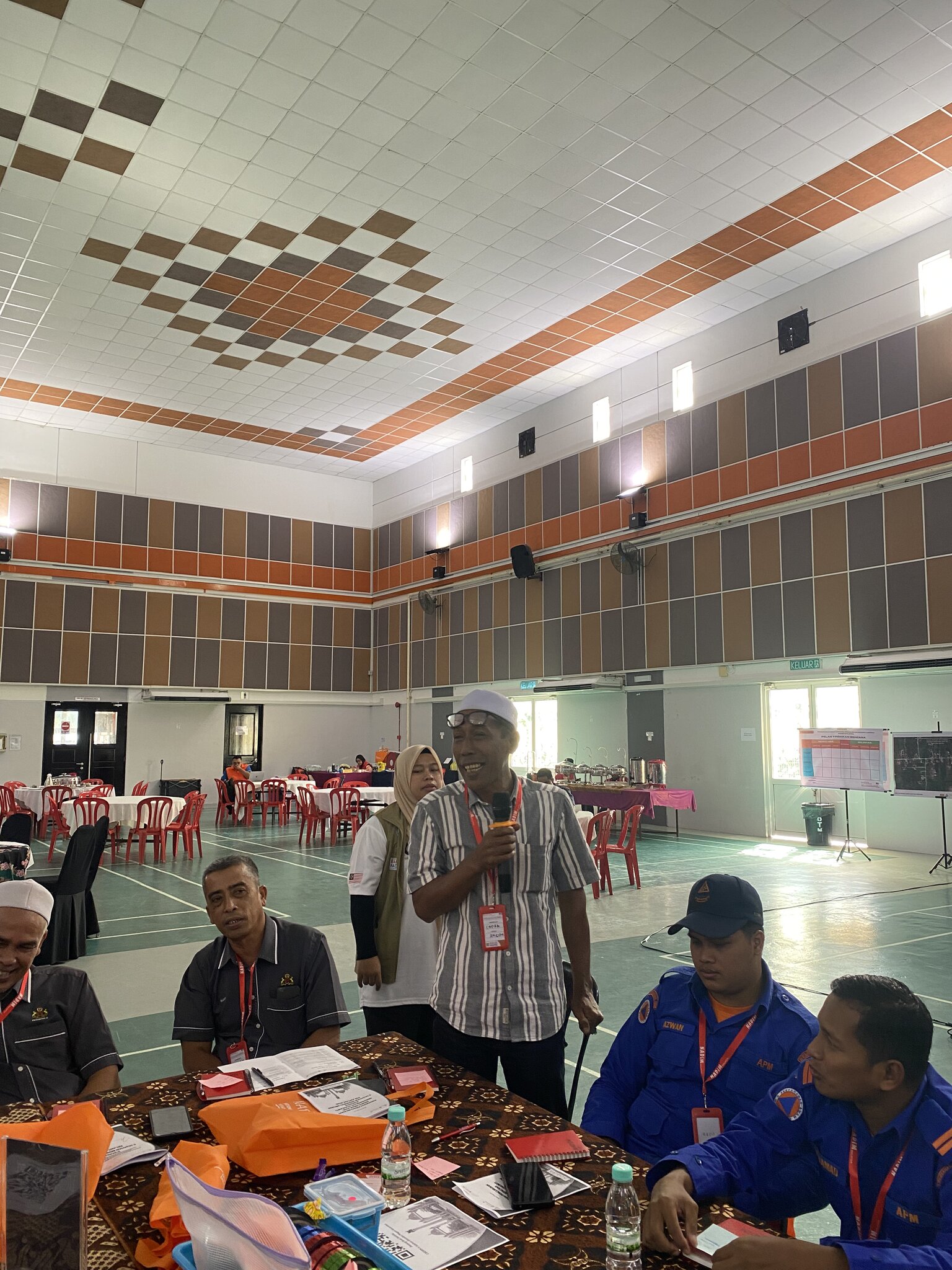
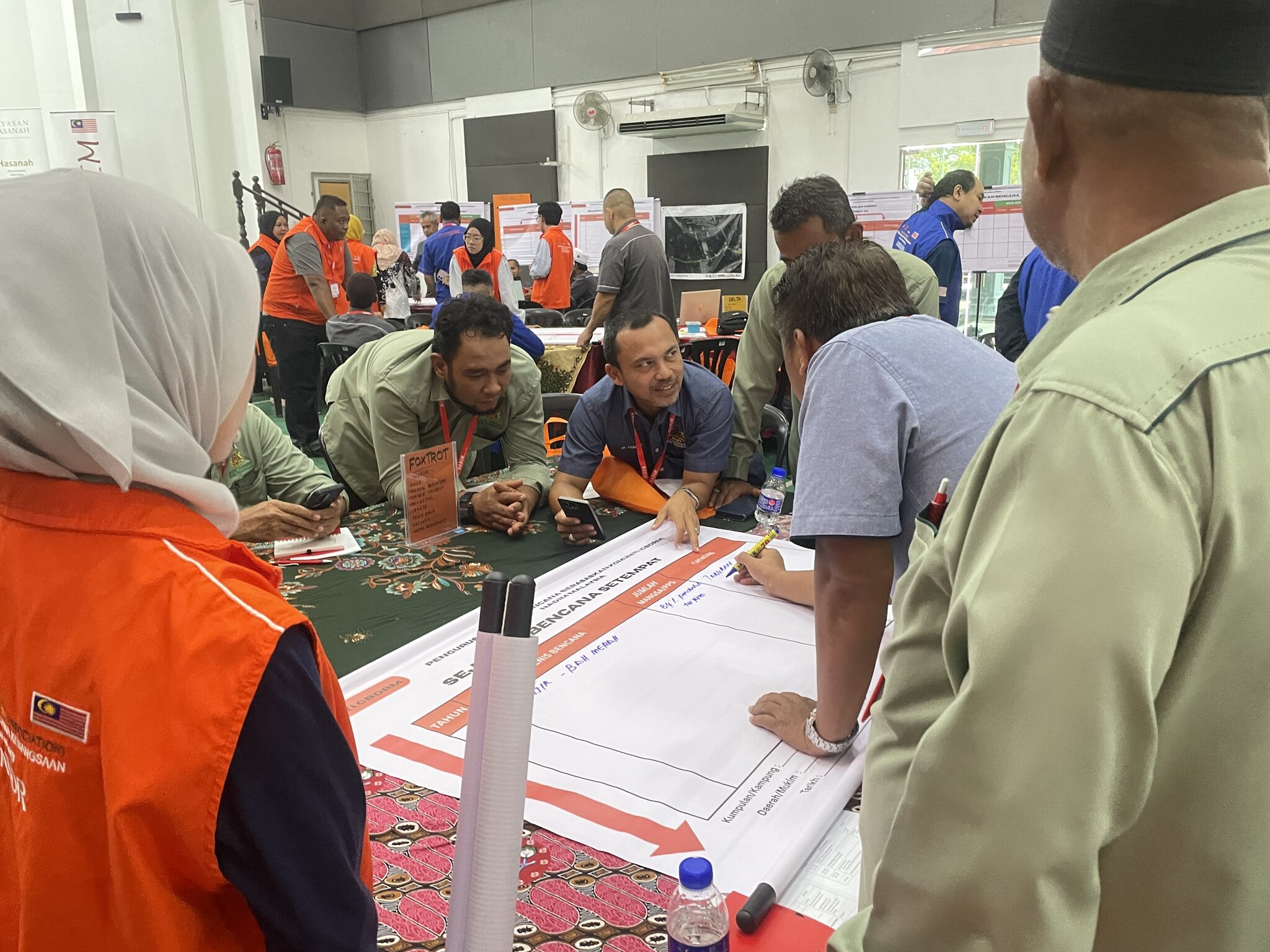
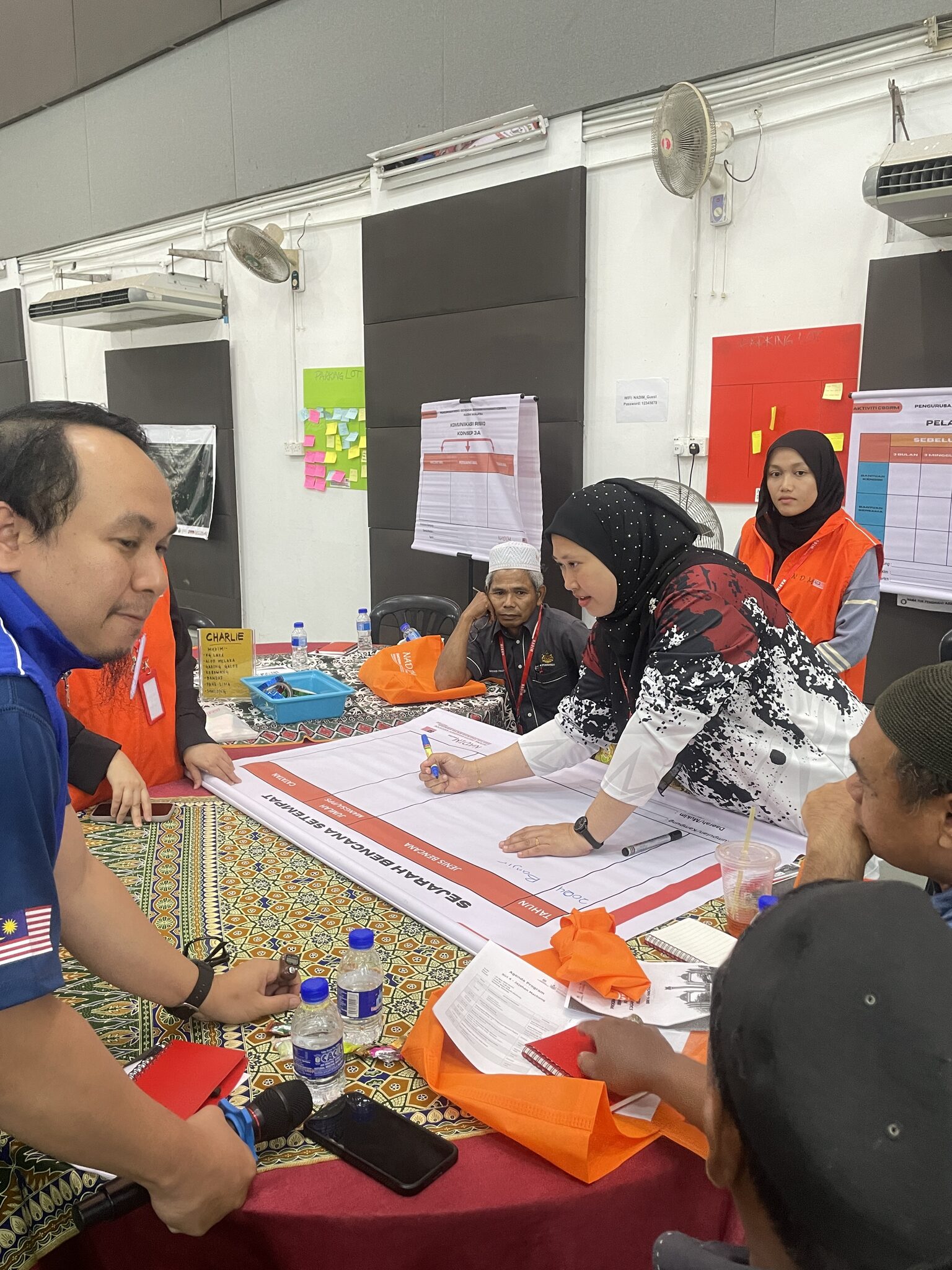
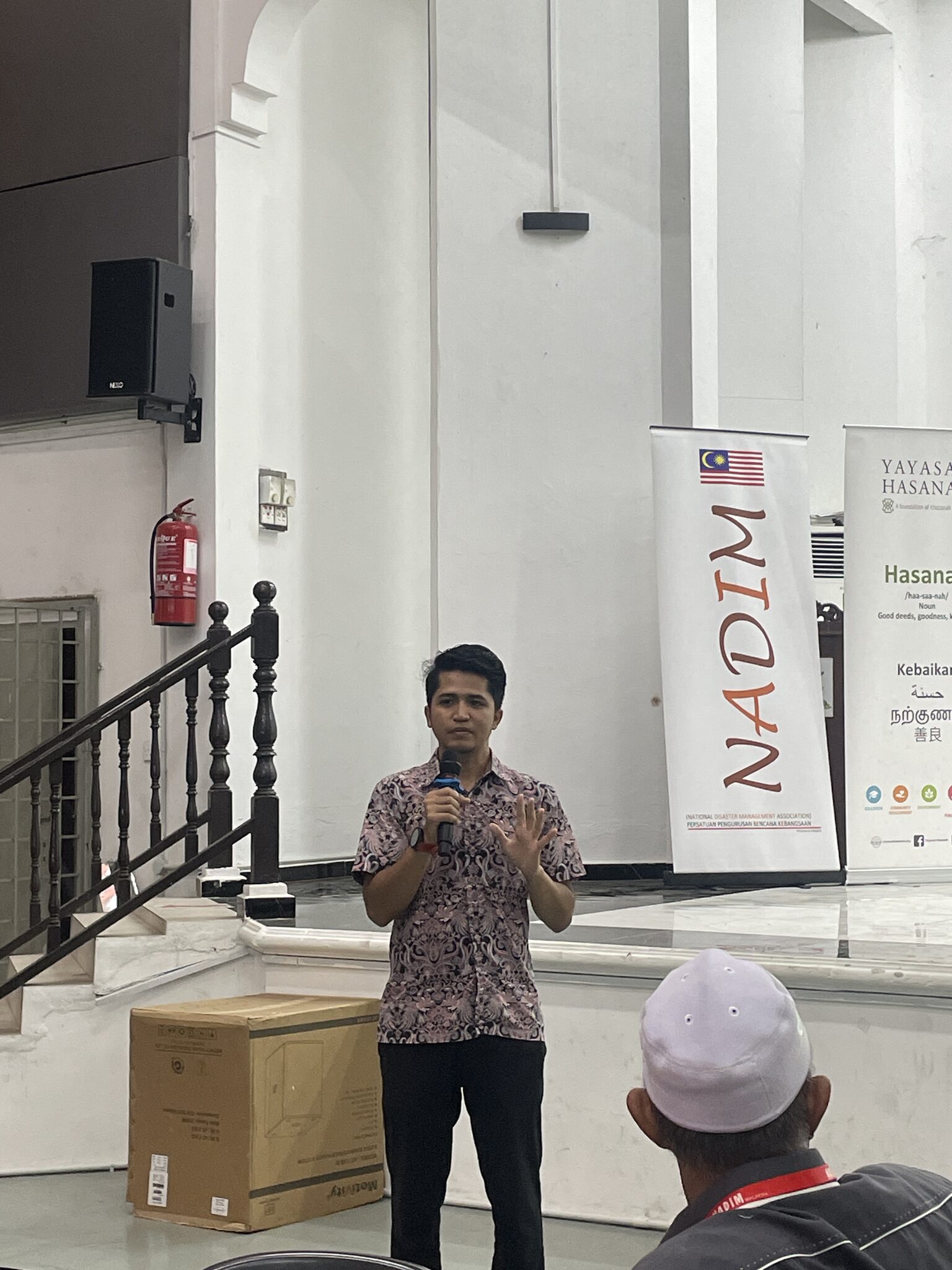
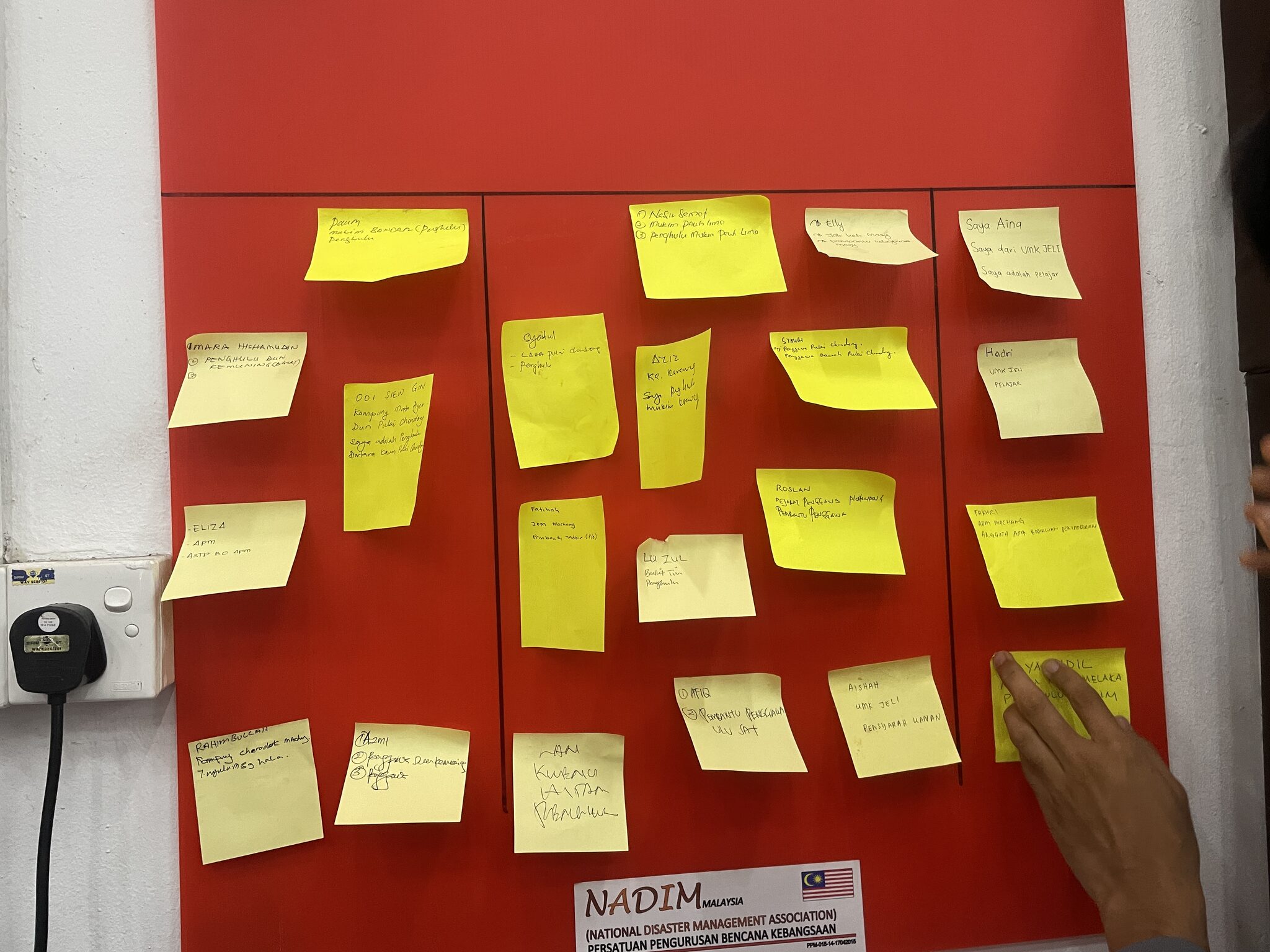
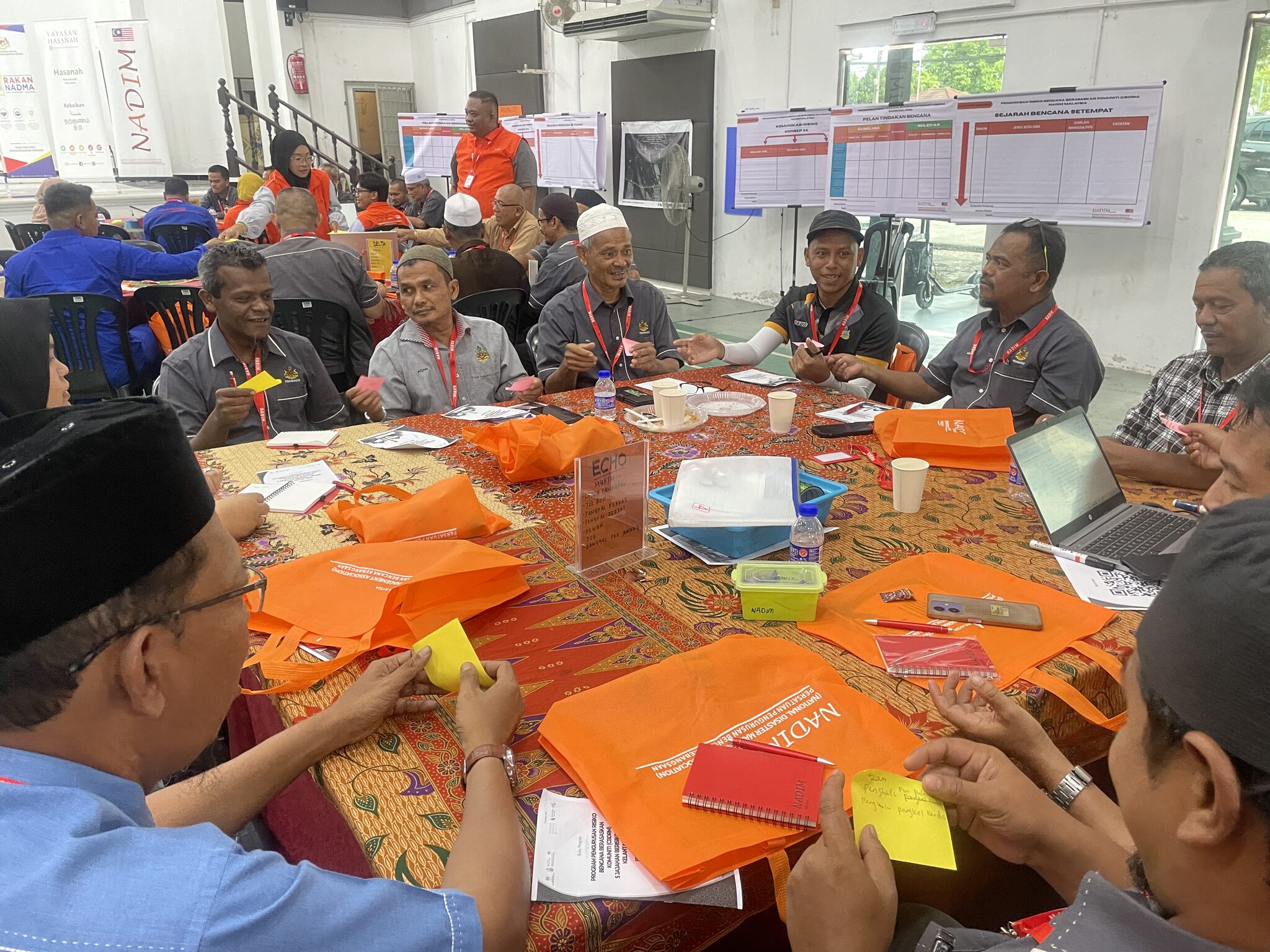
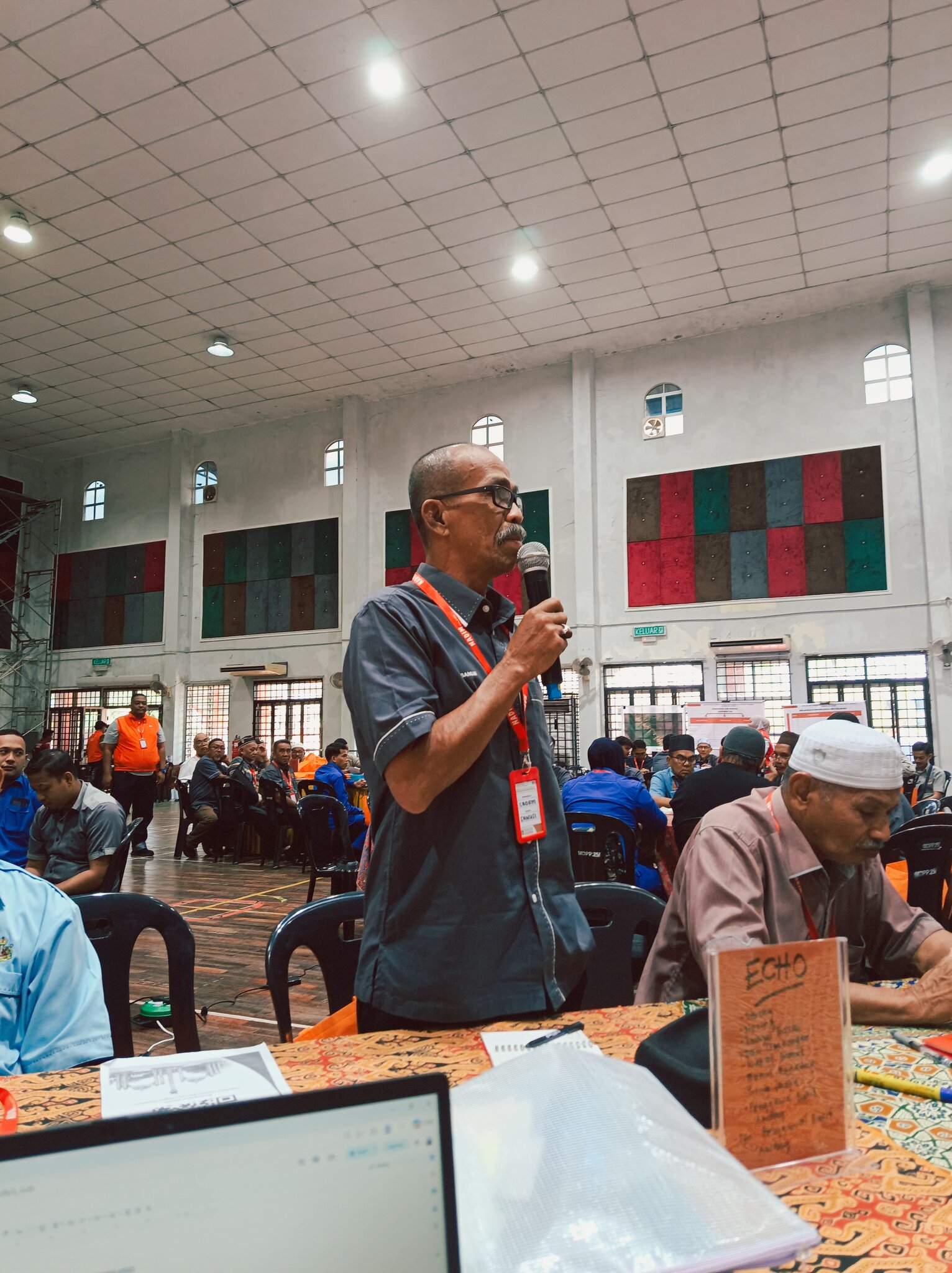
A key feature of the programme was its emphasis on practical and participatory learning rather than classroom-based instruction alone.
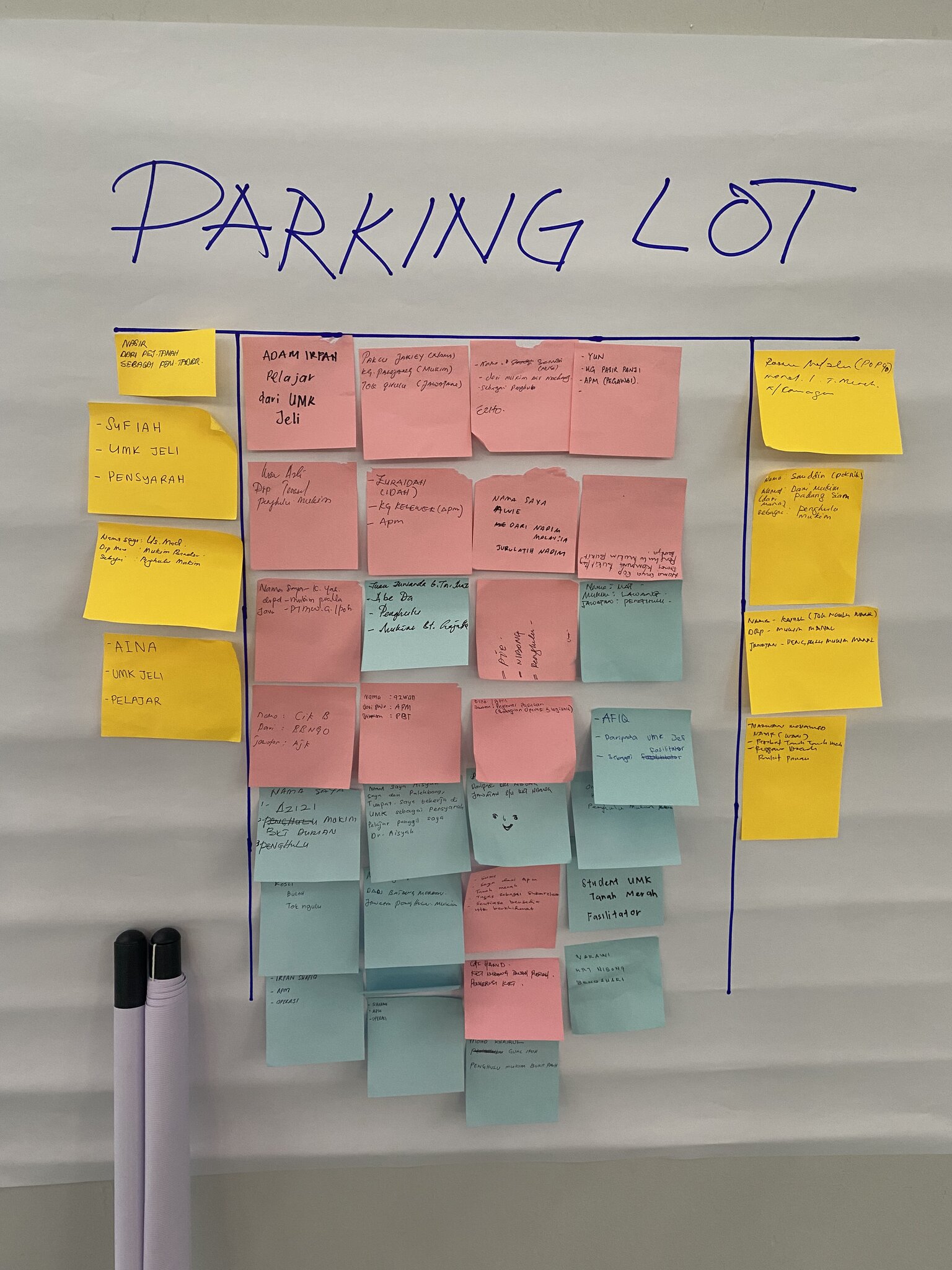
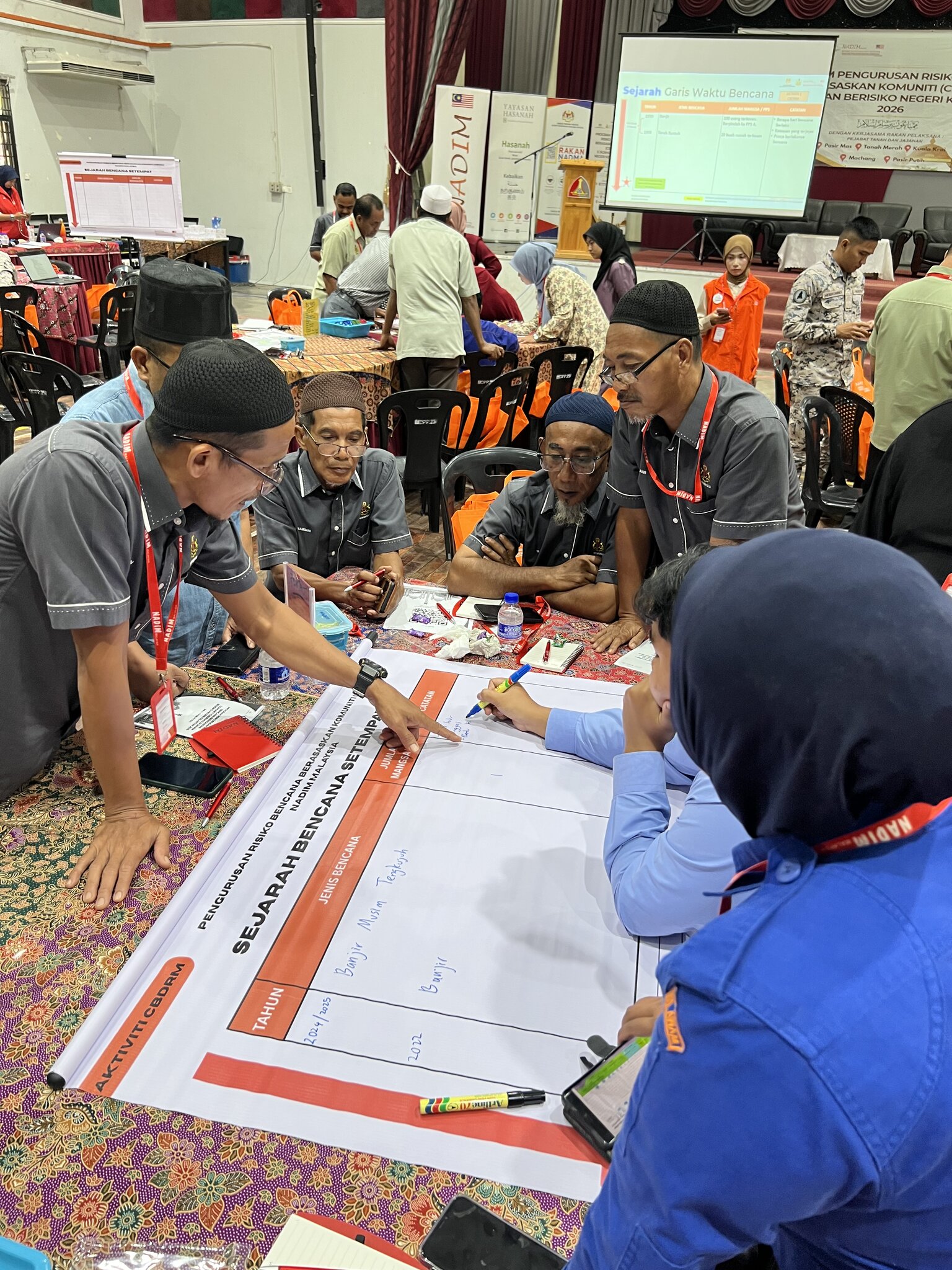
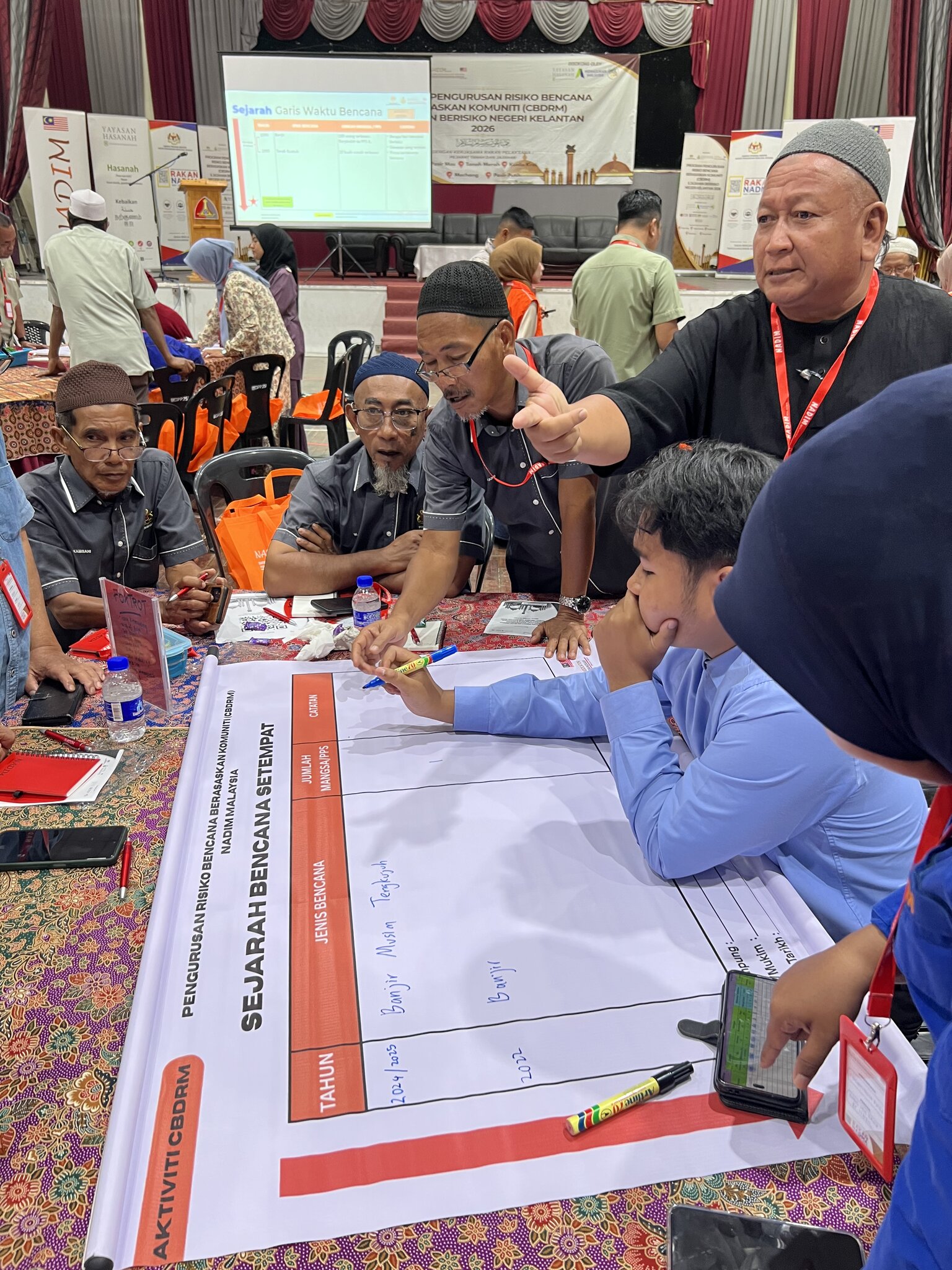
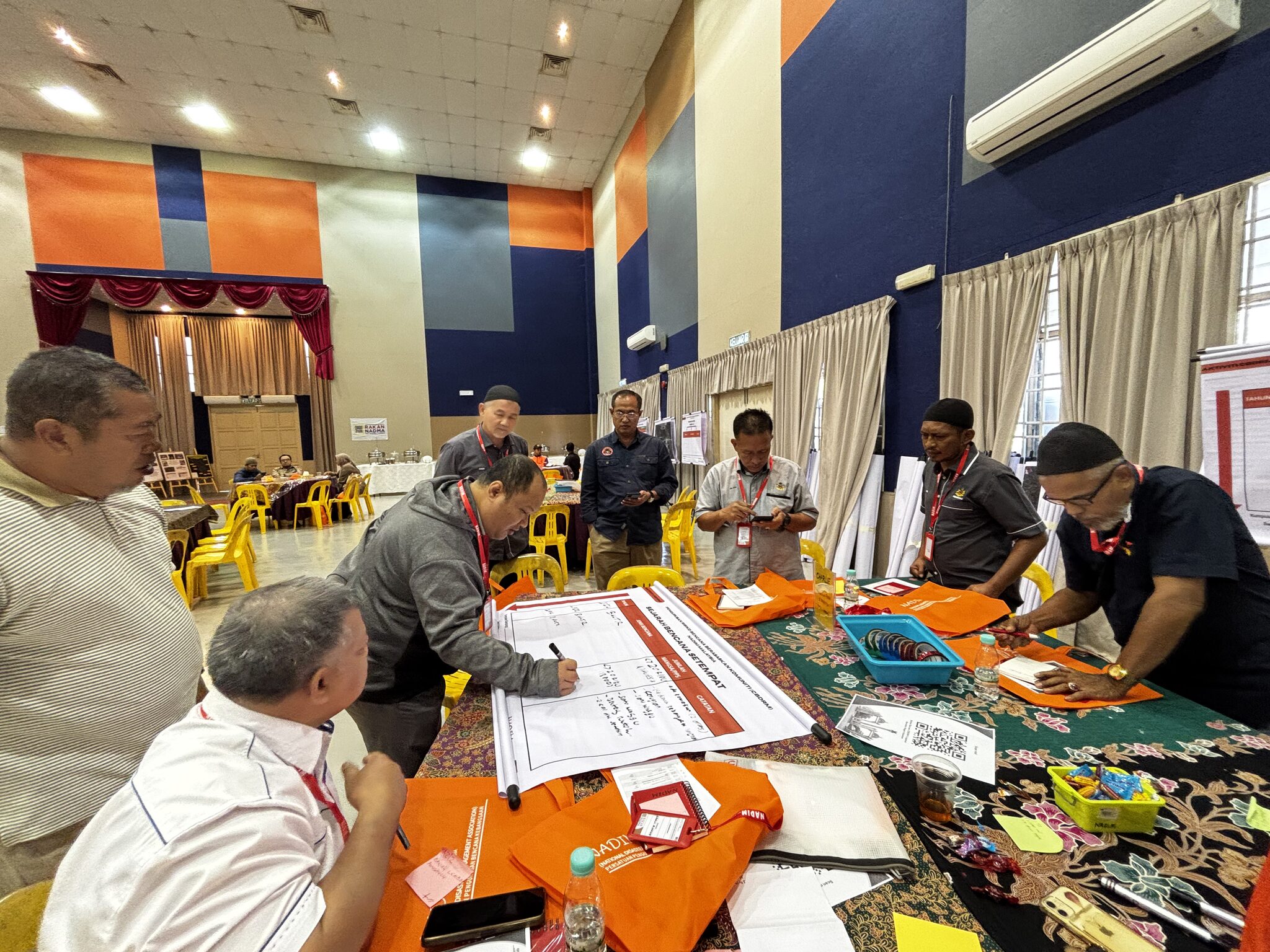
Participants were encouraged to contribute their own knowledge of local disaster history and identify previous incidents that had affected their communities. This information was then used to help participants recognise recurring patterns and consider how similar events could affect their communities in the future.
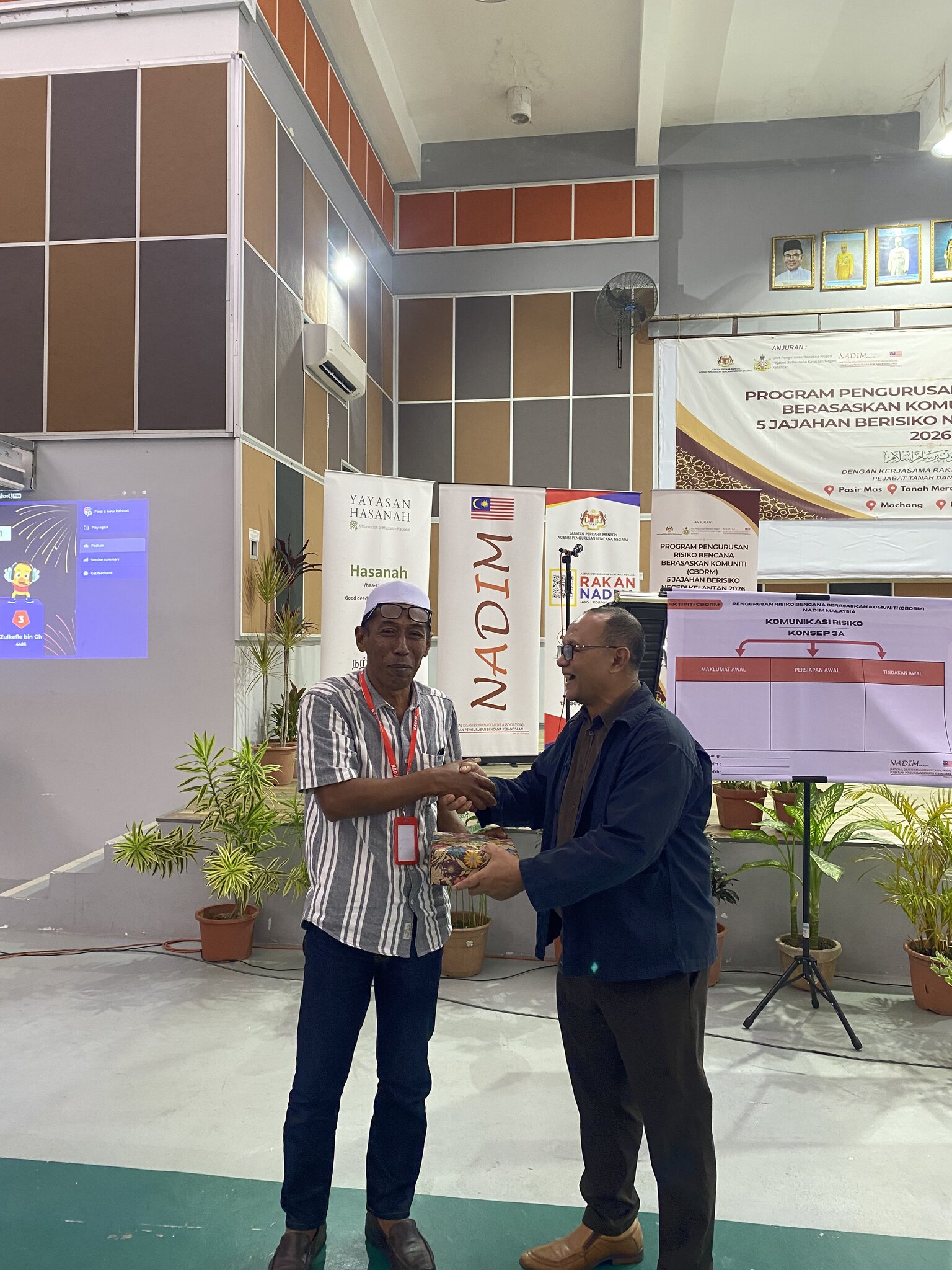
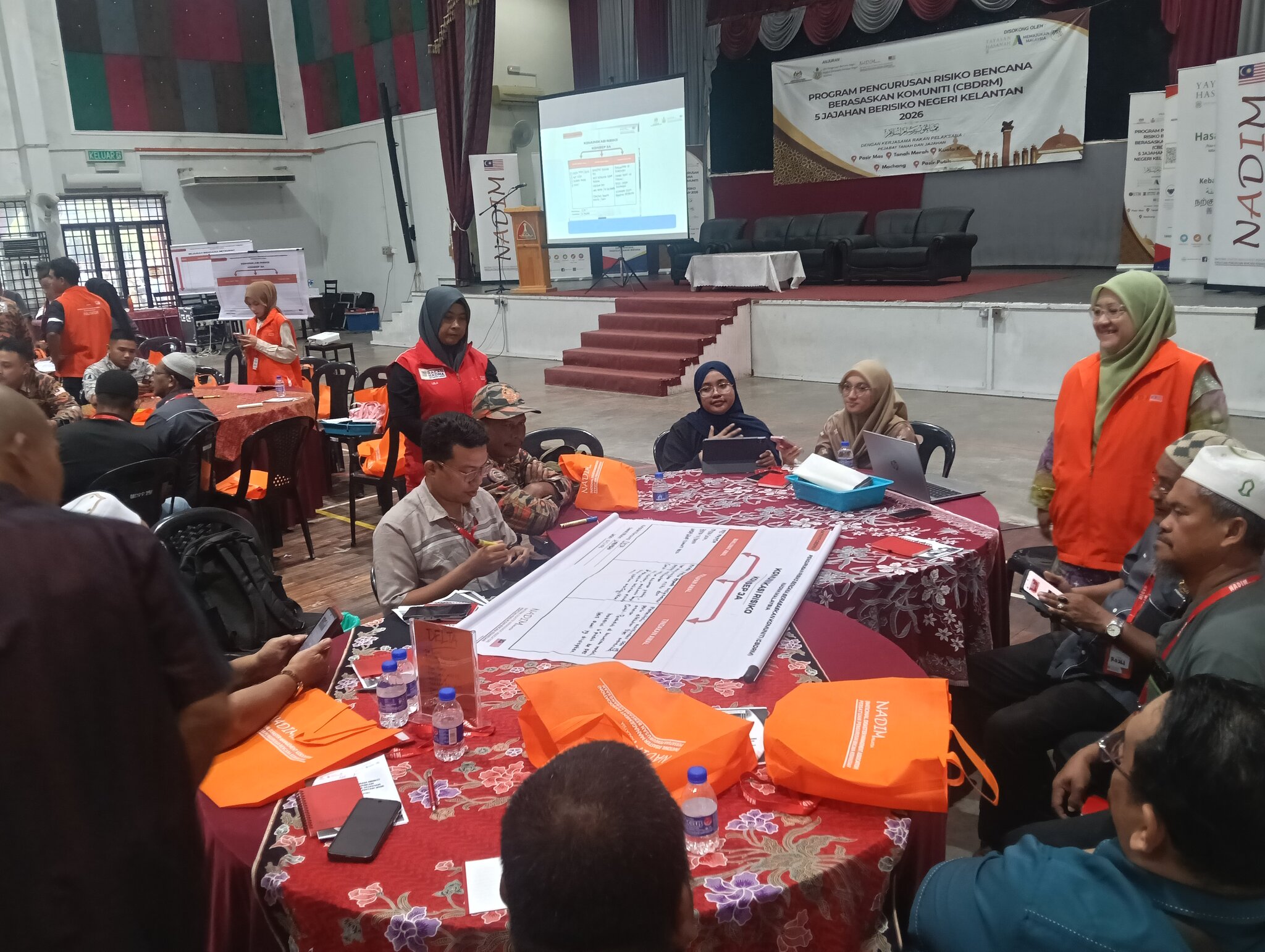
Risk communication was introduced through the 3A concept, consisting of Maklumat Awal, Persiapan Awal, and Tindakan Awal. The approach encouraged participants to understand the importance of reliable early information, coordinated preparation, and timely action to reduce risks to lives and property.
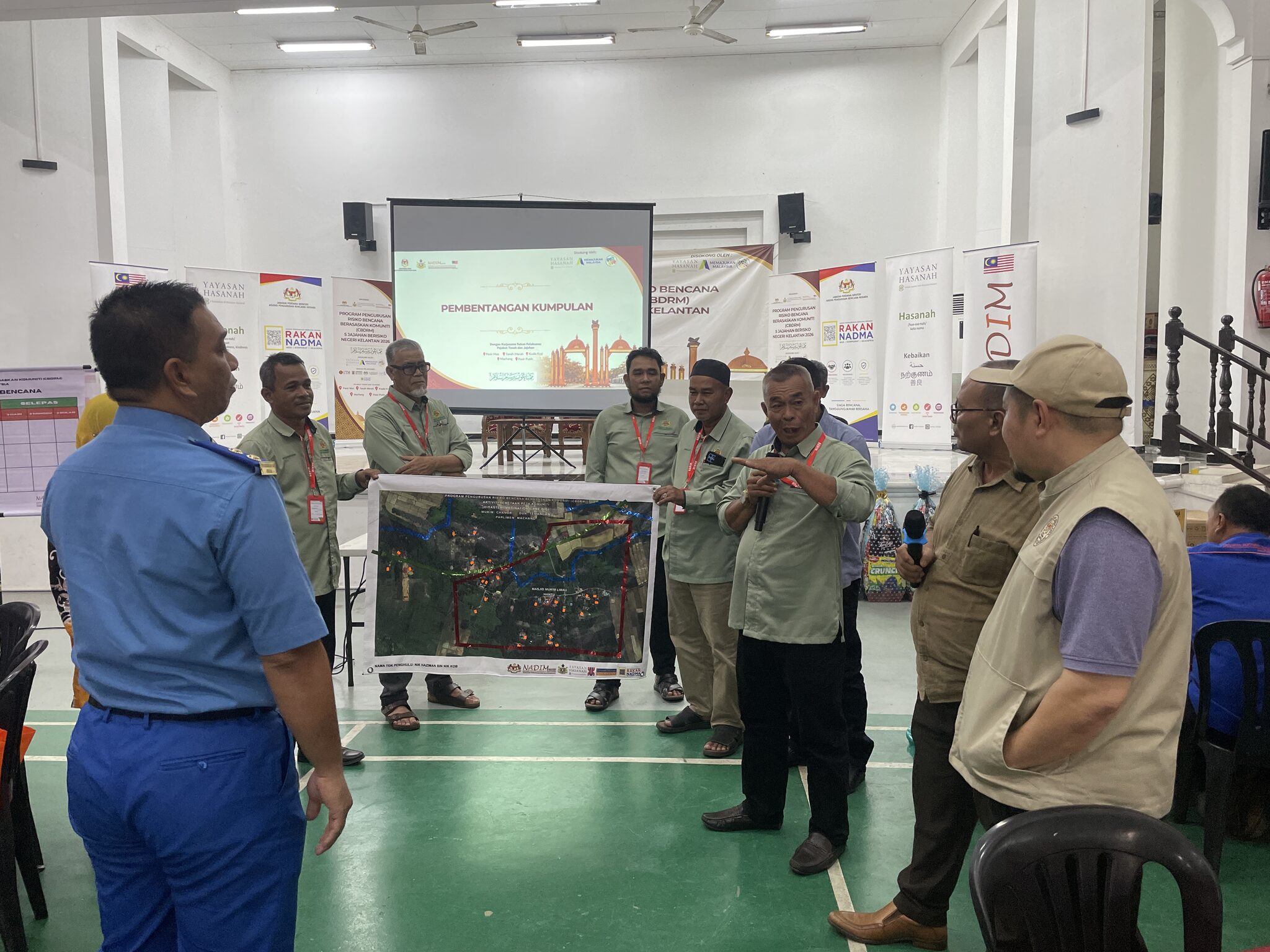
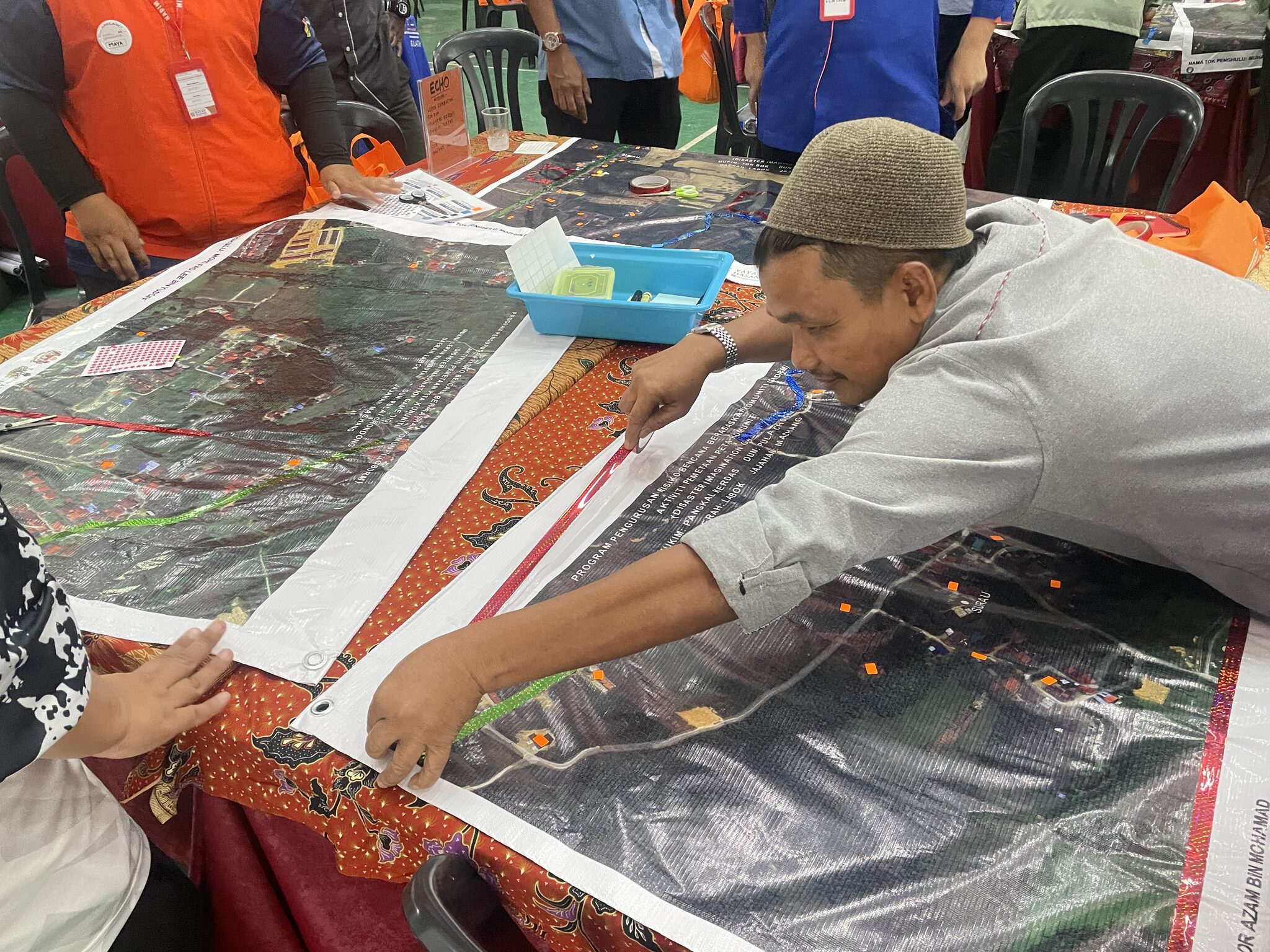
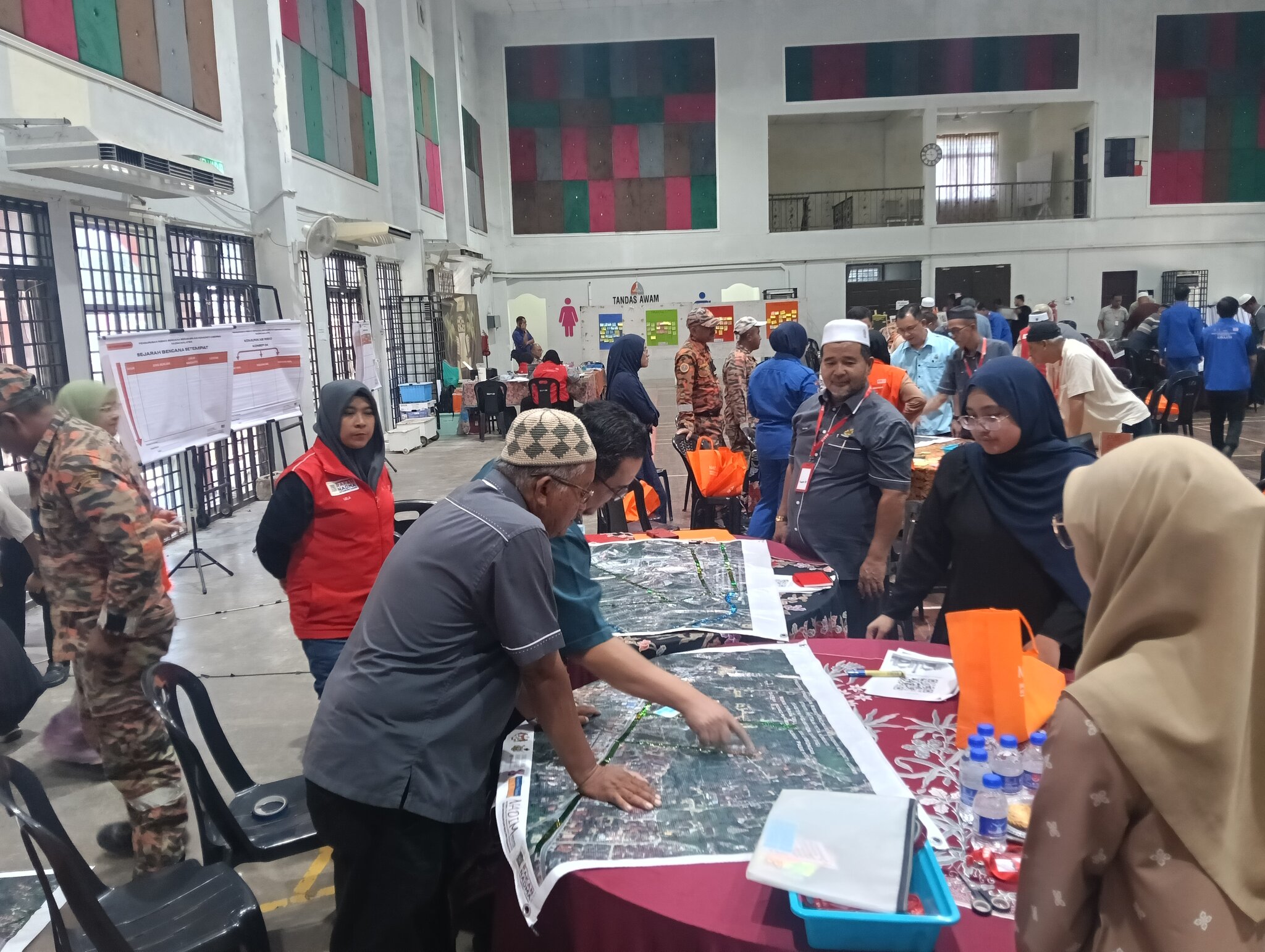
Community risk mapping formed another important component of the programme. Participants identified locations such as residential areas, public facilities, rivers, safe areas, potential temporary evacuation centres, locations affected by previous disasters, and existing early warning systems.

Developing Community Action Plans
The programme also encouraged participants to consider what actions should be taken at different stages of a disaster.
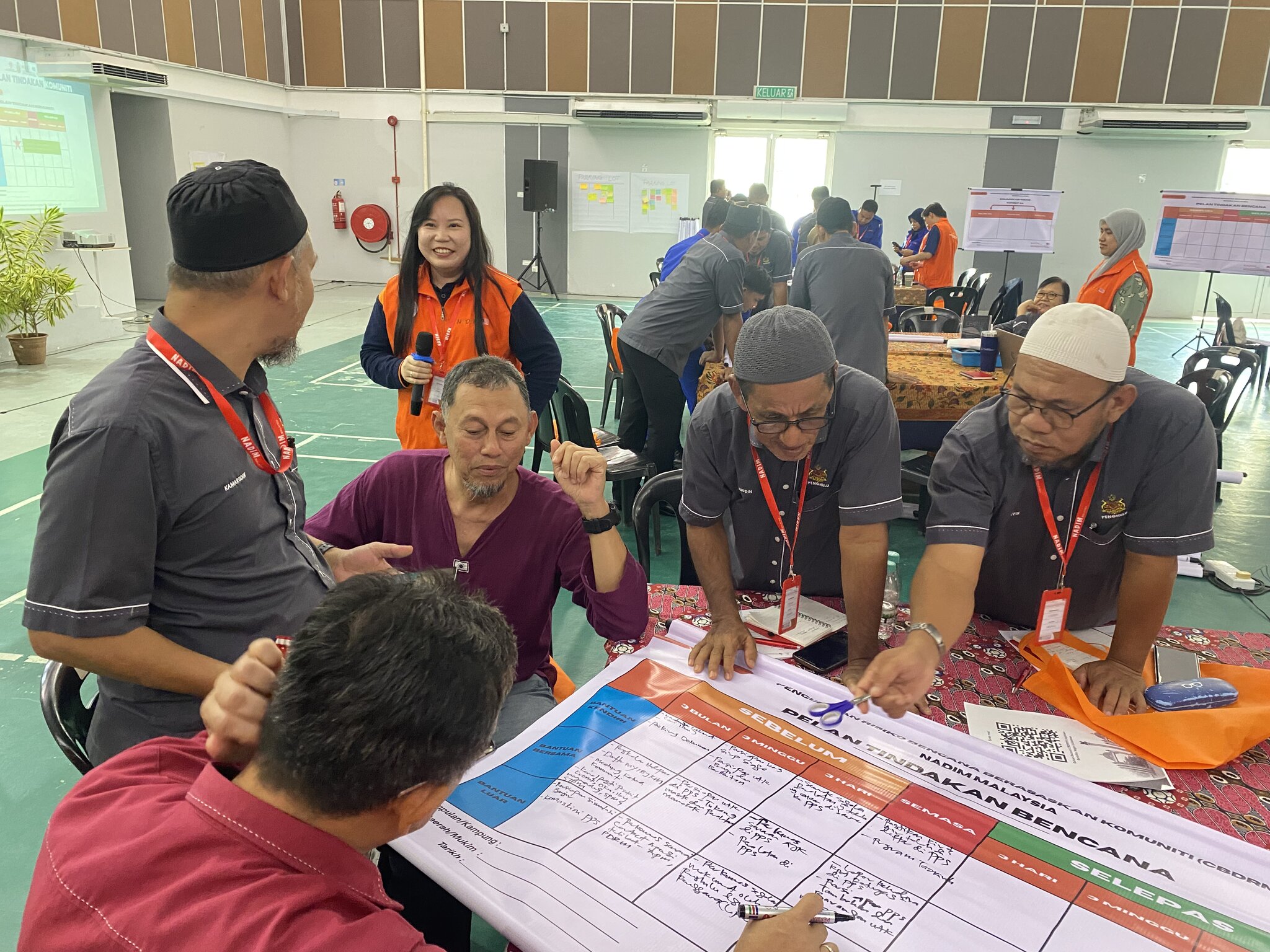
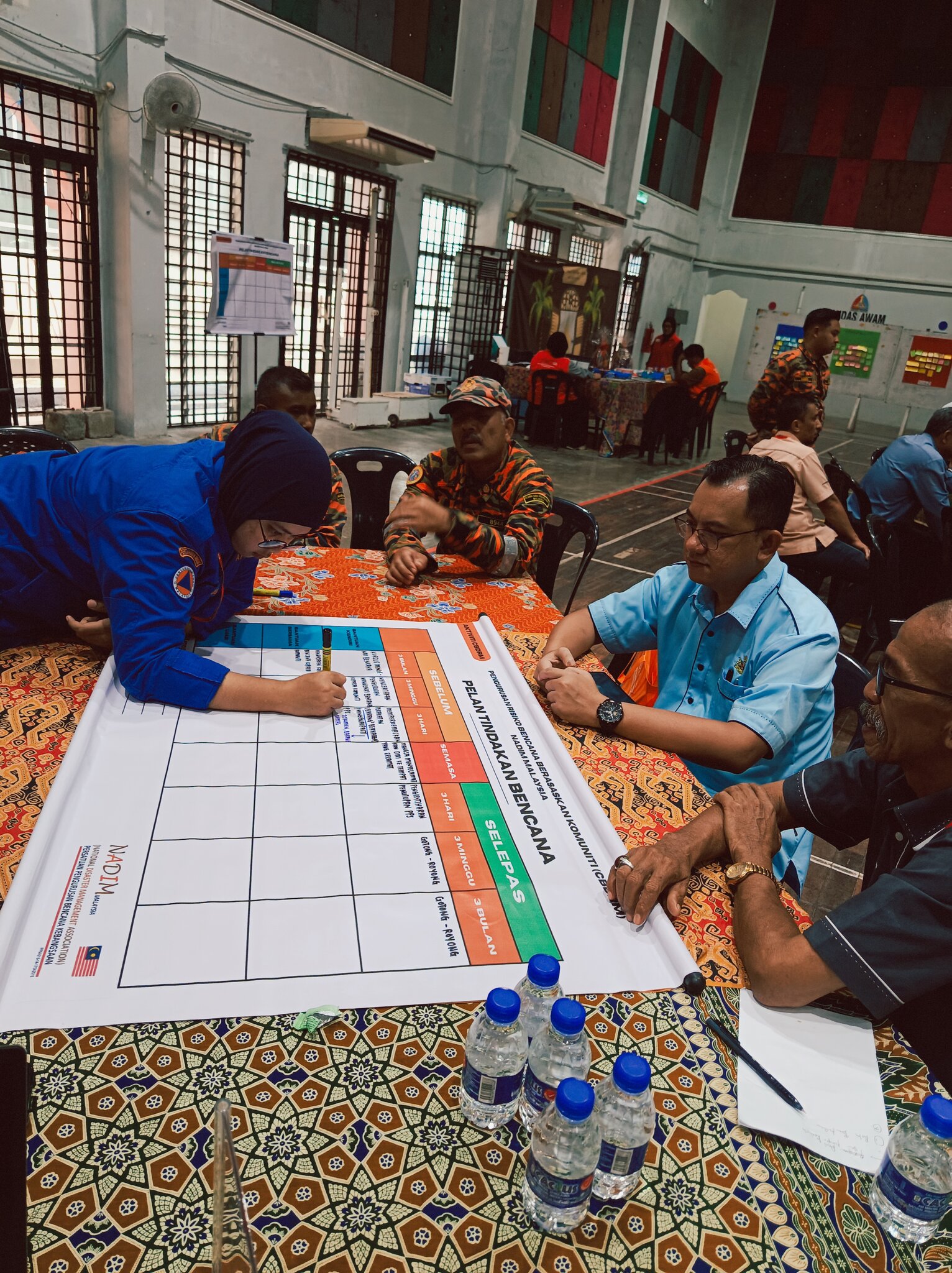
Through community action planning activities, participants discussed actions that could be taken before, during, and after a disaster. The programme highlighted different forms of assistance, including Bantuan Kendiri, Bantuan Bersama, and Bantuan Awam, while encouraging communities to understand their own responsibilities and available resources.
This approach helped participants move beyond identifying risks and towards developing practical actions that could strengthen preparedness at the community level.
Building More Resilient Communities
The CBDRM programme reflected the principle that disaster risk management requires active participation from the communities that are directly exposed to those risks.
By combining local knowledge, structured training, practical exercises, risk mapping, and community action planning, the programme aimed to strengthen the ability of communities to understand their surroundings, identify vulnerabilities, prepare for emergencies, and respond more effectively when disasters occur.
Through the implementation of the five series in Pasir Mas, Tanah Merah, Kuala Krai, Machang, and Pasir Puteh, the programme contributed towards building greater awareness, preparedness, and community capacity across high-risk areas in Kelantan.
The wider objective of the CBDRM approach is to strengthen community resilience through education, training, and community empowerment, with local participation forming an important part of disaster management from prevention through to recovery.